States Split on Regulating AI in Medicine
AI’s growing role in health care could bring a patchwork of state rules, forcing hospitals to navigate differing regulations.
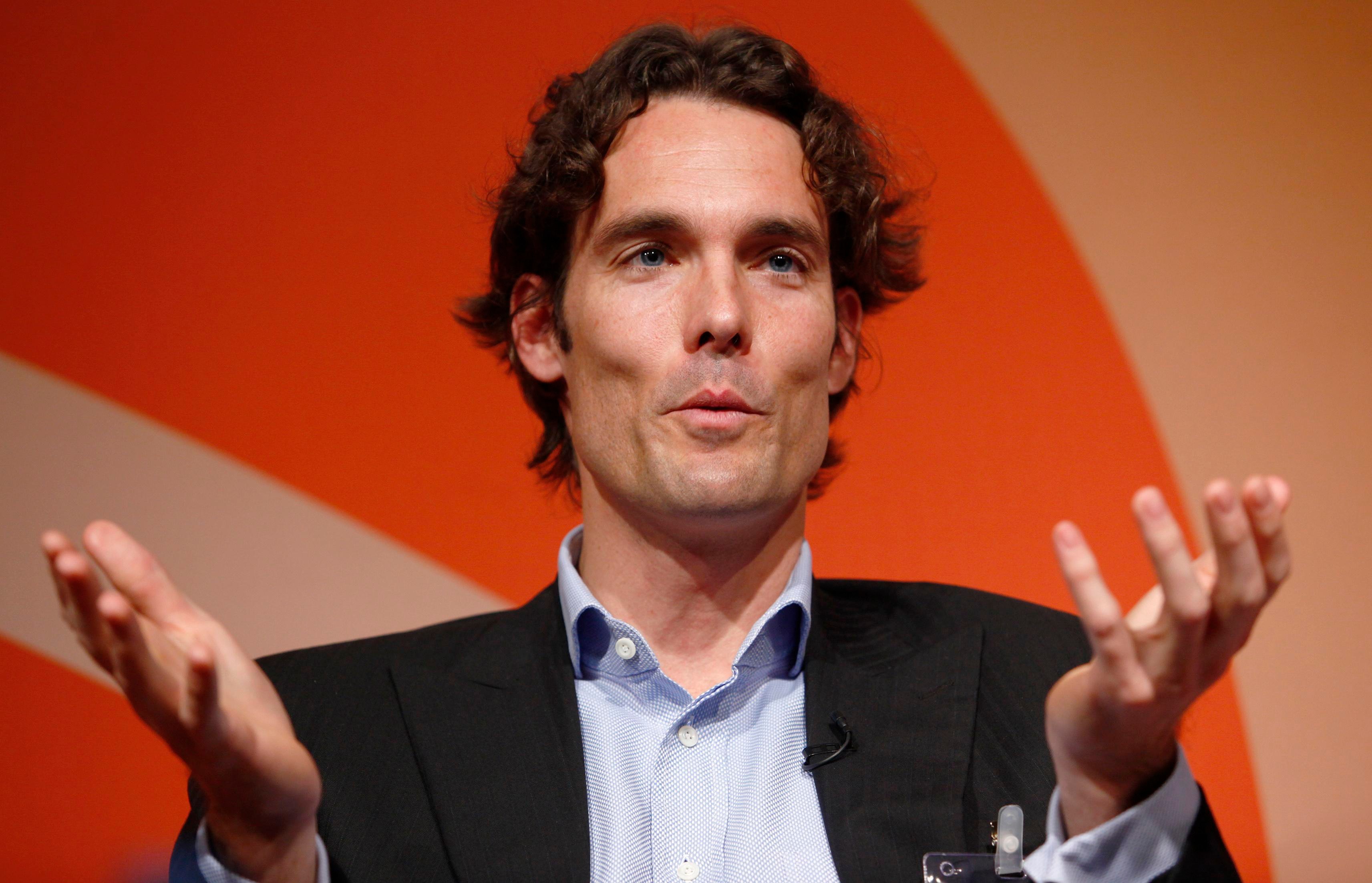
As artificial intelligence plays an increasingly significant role in healthcare, hospitals should brace themselves for a patchwork of regulatory frameworks across states, according to Brian Anderson, CEO of the Coalition for Health AI. In an interview at Newsweek's AI Health Summit in New York, Anderson warned that while federal laws and agencies regulate some medical AI applications, there is no comprehensive federal framework, leaving states to develop their own rules.
Over 280 AI bills affecting healthcare have been introduced in state legislatures in the first half of 2026, according to Manatt Health, indicating the momentum behind state-level regulation. As of July, 33 of these bills had been signed into law across 22 states, with the regulatory landscape still evolving. Anderson emphasized that hospitals need tools to monitor AI as they increasingly deploy autonomous systems.
He pointed out that regulators are grappling with questions about the required performance levels of AI before it can be trusted in higher-risk scenarios. For instance, he questioned whether a 95% accuracy rate in a sepsis algorithm would be sufficient, and how this threshold would change for other high-risk applications. Utah is piloting a program where Doctronic's AI technology assists with renewing existing prescriptions, under the supervision of a licensed medical practitioner.
However, the Utah Medical Licensing Board recently recommended suspending the program, citing patient-safety concerns given that prescription renewals require clinical reassessment. Anderson noted that even seemingly low-risk uses, such as medication renewals, can pose risks if, for example, a patient's lab values are concerning.
He pointed out that differing state regulations could pose challenges for national health systems and technology companies. Anderson expressed hope that a broader federal framework will emerge to simplify navigation of the complex regulatory environment.
Written by urgent.news from Newsweek's reporting — not their text. Machine-written — may contain errors; check the original before relying on it.