Sort A Brick is turning forgotten LEGO into a multibillion-euro circular economy market
Billions of LEGO bricks are sitting unused in homes worldwide. While the bricks themselves can last for generations, rebuilding original sets from mixed collections can require hours of painstaking ma...
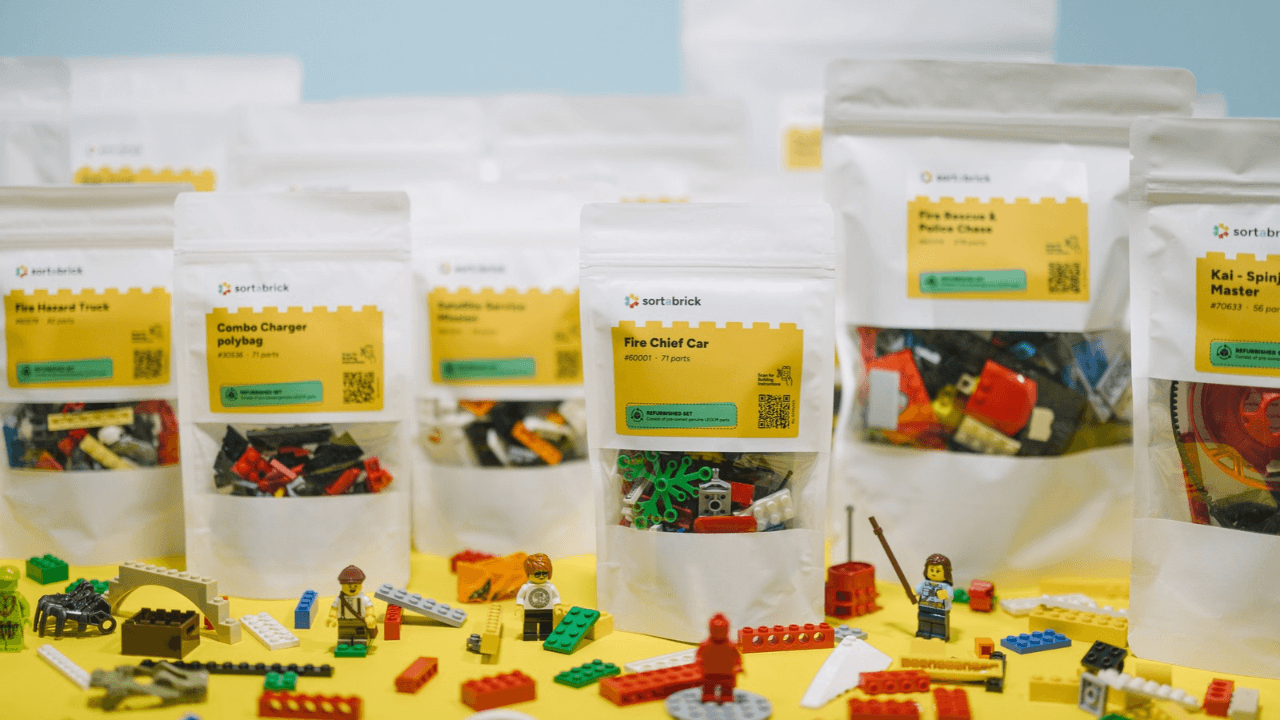
Billions of LEGO bricks remain unused in homes globally, but sorting them for reuse presents a significant challenge. Lithuanian firm Sort A Brick is developing automated technology to transform this waste into a profitable circular economy. The company estimates the secondary LEGO market could reach €4.7 billion by 2036, provided automated sorting becomes commercially viable.
Sort A Brick's latest automated sorting machine can scan and sort up to 3,600 bricks per hour, four times faster than its predecessor. With over 75% of its inventory sold out within the first week of its online store launch, the company has received restoration requests from 41 countries and processed over 700 kilograms of mixed bricks, chiefly in Germany.
CEO Ilya Malkin explained that the move to selling refurbished sets was motivated by legal complexities and higher customer expectations, aiming to provide a more reliable alternative to conventional second-hand purchases. The sets are cleaned, checked for completeness, and made entirely from genuine LEGO bricks. Customers can also access building instructions via a QR code.
While the average order value is around €500 for restoration services, selling individual refurbished sets at half the price of new sets is a more accessible option for consumers. The automated sorting system utilizes computer vision to identify LEGO bricks and match them against a database of sets. The process involves pre-sorting, cleaning, and recognition of bricks by colour and printed pieces, with an overall recognition rate of over 93%.
Written by urgent.news from Tech.eu's reporting — not their text. Machine-written — may contain errors; check the original before relying on it.