SC seeks Centre, EC response on law giving blanket, lifelong immunity to CEC, Election Commissioners
RJD MP Manoj Jha has moved the Supreme Court challenging Section 16 of The Chief Election Commissioner And Other Election Commissioners (Appointment, Conditions Of Service And Term Of Office) Act, 2023
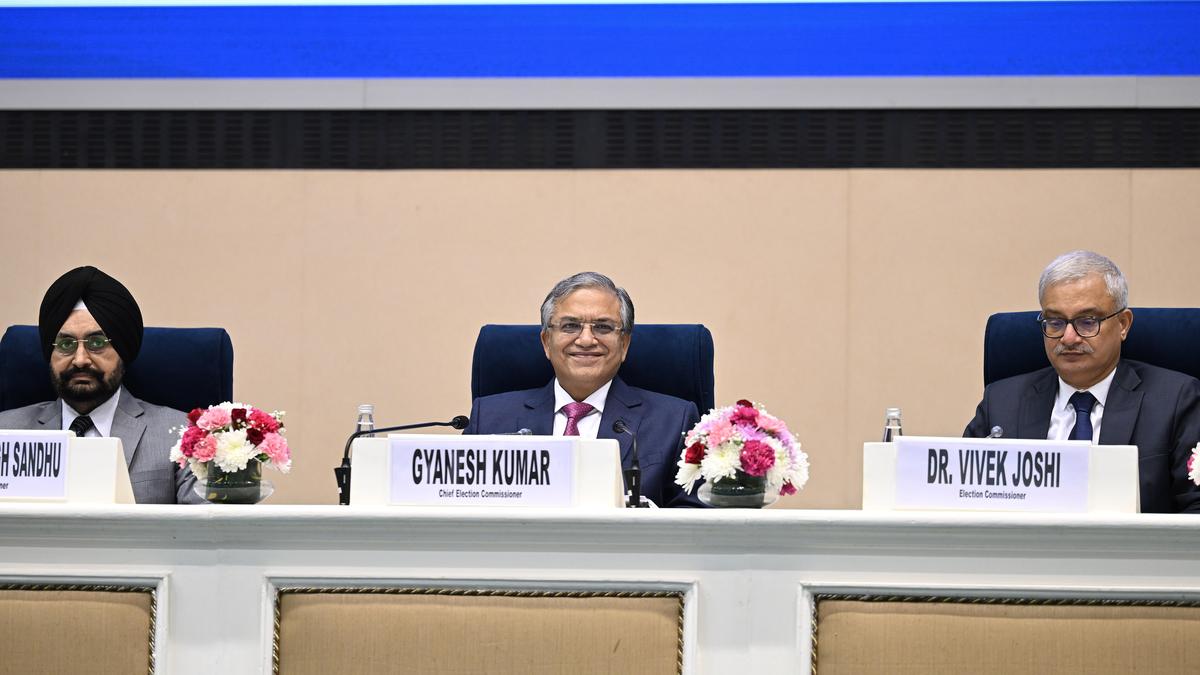
On November 4, 2026, the Supreme Court requested a response from both the Union government and the Election Commission of India (ECI) regarding petitions that challenge the constitutionality of Section 16 in the Chief Election Commissioner and Other Election Commissioners (Appointment, Conditions of Service and Term of Office) Act of 2023.
The provision grants blanket, lifelong immunity to the Chief Election Commissioner (CEC) and Election Commissioners, both during their tenure and after retirement, from any legal action or criminal prosecution.
The petitions, filed by RJD MP Manoj Jha (represented by Tanya Srivastava and advocate Arun Kumar Agrawal, represented by Neha Rathi), argue that the law violates the Basic Structure of the Constitution and exceeds the authority of the ECI. Section 16 bars Constitutional courts from having jurisdiction over cases involving the CEC or Election Commissioners, effectively preventing any court from hearing or continuing civil or criminal proceedings against them for any act, thing, or word committed while in their official capacity.
The petitioners maintain that the sweeping immunity granted by Section 16 is disproportionate and infringes upon the rights to a remedy, a fair investigation, and access to justice, which are enshrined in Articles 14 and 21 of the Constitution. They argue that the law provides protection for acts committed outside lawful authority, including corruption and forgery, without any distinction between mala fide and bona fide actions.
While the ECI has conducted elections without such blanket immunity over several decades, the petitioners contend that this demonstrates the commission's ability to function effectively without granting its members life-long legal protection. The petitions also note that under Article 361 of the Constitution, Presidents and Governors enjoy express immunity for acts done in performance of their official duties, though this immunity is not absolute and permits civil proceedings after notice. Judges of constitutional courts do not enjoy absolute immunity from civil or criminal proceedings.
Written by urgent.news from The Hindu's reporting — not their text. Machine-written — may contain errors; check the original before relying on it.