October 2026 inflation rises to 5.5% indicating third consecutive increase
Ghana’s year-on-year inflation rate has increased to 5.5% in October 2026, from 5.2% in September, marking the third consecutive monthly rise since July. Government Statistician, Dr. Alhassan Iddrisu, says non-food inflation remains a major driver of the increase, accounting for about 7.9% of the overall inflation rate, compared with 2.8% for food inflation. Presenting the […]
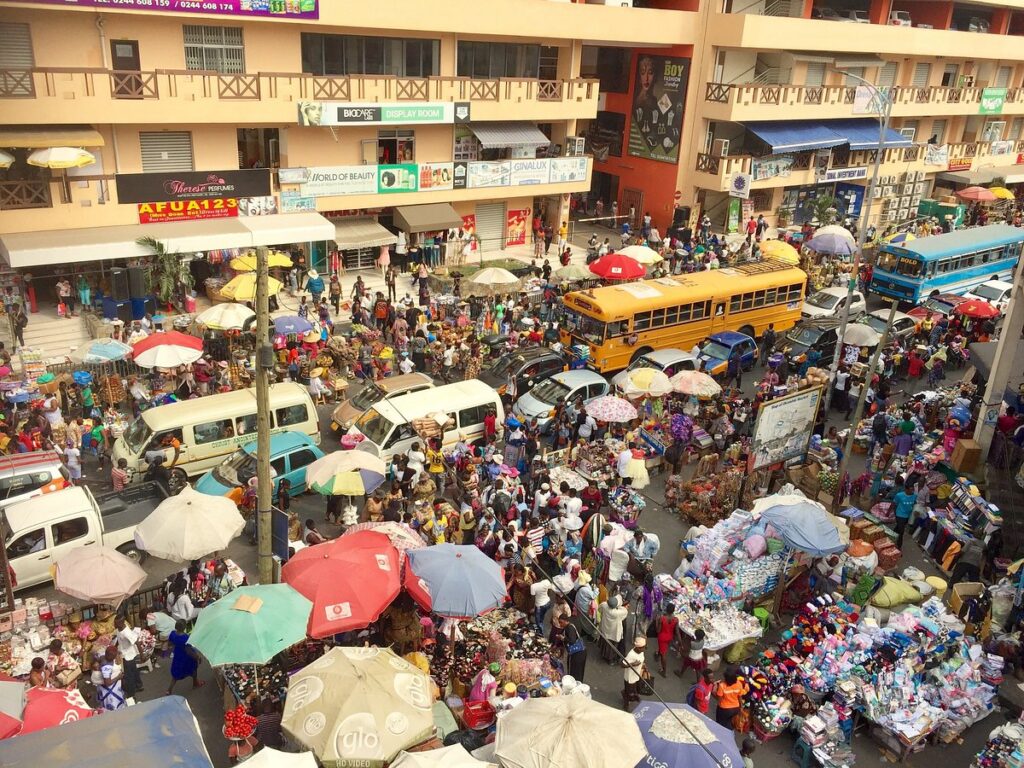
Ghana's year-on-year inflation rate surged to 5.5% in October 2026, reflecting a third consecutive monthly increase since July. Non-food inflation, accounting for about 7.9% of the total, was the primary driver of the rise, while food inflation accounted for 2.8%. Dr. Alhassan Iddrisu, Government Statistician, attributed the surge to services sector price hikes.
Non-food-related price increases averaged 76 pesewas per Ghana cedi, while food-related increases amounted to 24 pesewas. Food inflation eased to 2.8%, a 2% decrease month-on-month, while services inflation climbed sharply to 11.5%, up from 8.3%. Dr. Iddrisu noted that services were experiencing price increases three times faster than goods.
Transport recorded the highest inflation at 14.1%, followed by housing and fuels at 10.5%. These three divisions combined contributed to about 70% of the national inflation rate. Locally produced items, comprising 86.4% of the inflation, were the main cause of price increases, with transportation services experiencing the most significant rise.
Ashanti recorded the highest regional inflation rate of 9.7%, while the Northern Region had the lowest at -0.5%. Significant commodity price increases included fresh tomatoes (119.3%), shrimps (88.8%), and ginger (88.2%). The inflation data aims to guide households, businesses, and policymakers in making informed decisions on expenditure and support allocation.
Written by urgent.news from Joy Business's reporting — not their text. Machine-written — may contain errors; check the original before relying on it.