OBR warns Healey: Stealth taxes to blame for living standards slump
Stealth taxes are one of three main reasons that British households are set to suffer near-stagnant disposable income growth in the current decade, the government’s budget watchdog has said. Office for Budget Responsibility chief Professor David Miles said that fiscal drag, whereby a freeze on income thresholds pulled more people into higher tax rates as [...]
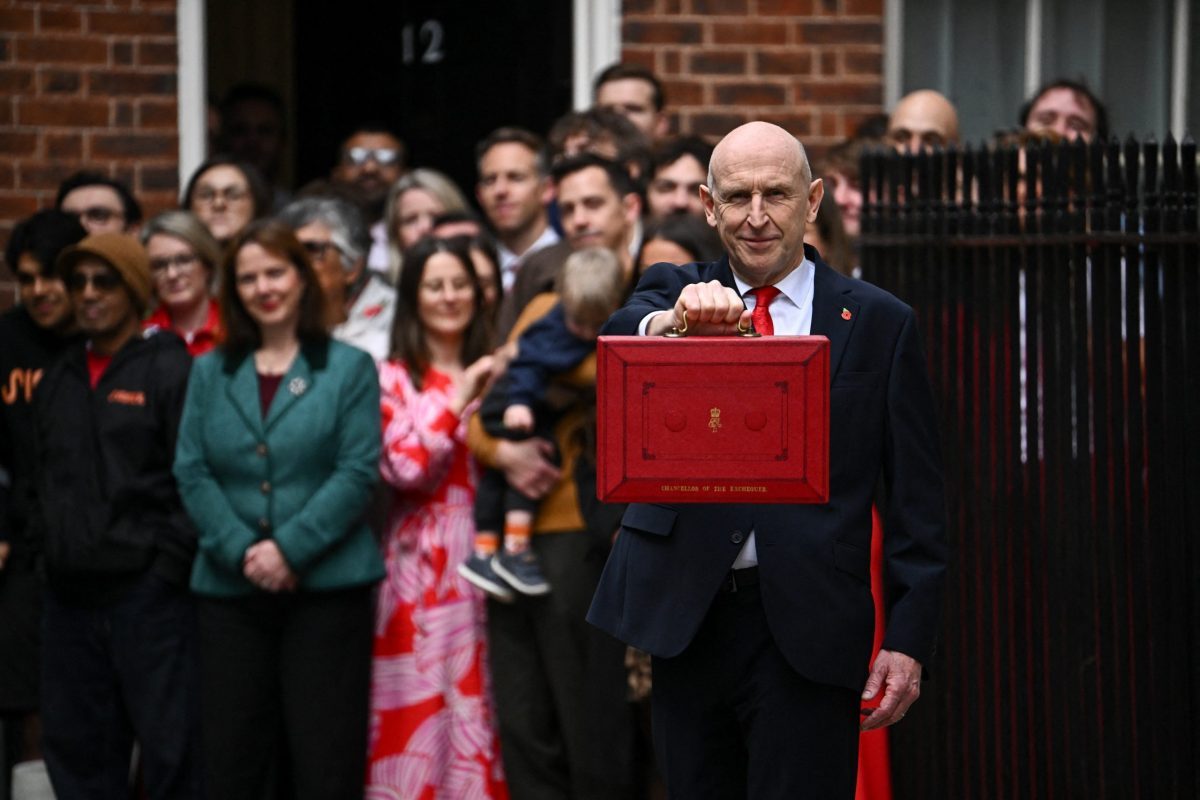
The Office for Budget Responsibility (OBR) has warned that stealth taxes are among the primary reasons British households will experience near-stagnant disposable income growth over the coming decade. Professor David Miles, the head of the OBR, explained that fiscal drag, which results from a freeze on income thresholds pulling more people into higher tax rates as wages rise, is putting pressure on household income.
Additionally, stealth taxes, which enable the Treasury to collect billions more than if thresholds kept pace with inflation, have limited improvements in living standards. Miles noted that low productivity growth has been "unusually low for an extended period," and that GDP per person would be about 30 per cent higher if pre-2008 growth trends had continued.
The OBR economist also highlighted a recent surge in energy prices and the overall increase in the UK's effective tax rate as factors contributing to the living standards slump. A decade of stealth taxes and the ongoing impact of a freeze on income thresholds will significantly shape living standards in the years to come. The freeze, first introduced by former Chancellor Jeremy Hunt in 2021, was initially set to be aligned with inflation from 2026 but was extended through 2028 and then further extended to 2031.
Despite Rachel Reeves' announcement that the freeze would not be extended beyond 2028 during her first Budget, she later reversed her decision, using it as a key revenue source to fund public services and meet fiscal targets. OBR economist Miles expressed doubts about the government's ability to markedly improve living standards forecasts, stating that "an awful lot of good luck" would be needed.
He suggested that growth boosts from artificial intelligence or a substantial drop in energy costs could help alleviate the situation for British families.
Written by urgent.news from City AM's reporting — not their text. Machine-written — may contain errors; check the original before relying on it.