New Jersey’s New Ebike Law Is Causing Chaos
Since early 2026, the law has required electric bike owners to get licenses—and in some cases, insurance—to ride. It has left many stranded and confused.
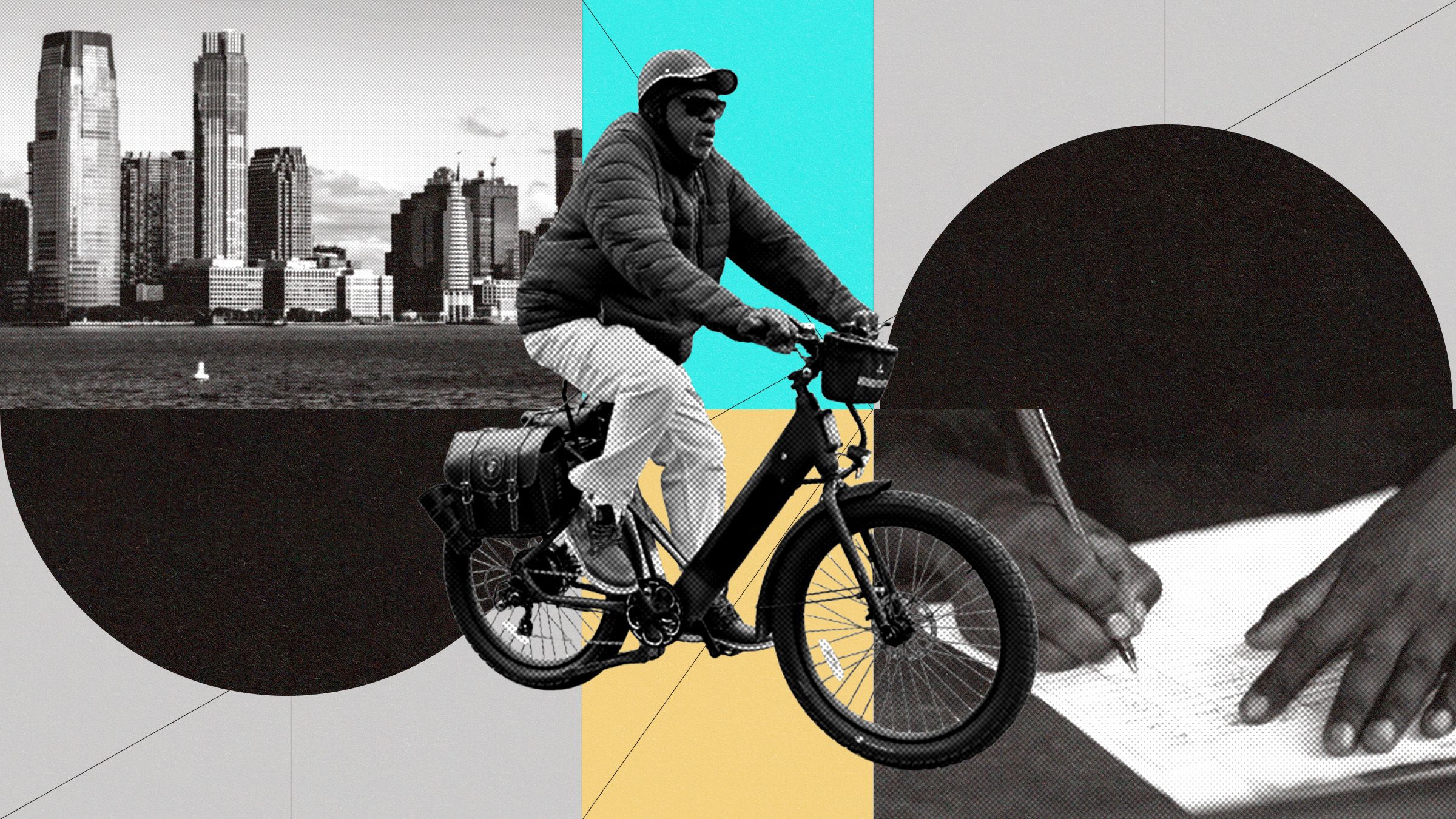
New Jersey became the first state to enact a law aimed at increasing road safety by regulating e-bikes in January. Senator Nick Scutari, the sponsor of the bill, pointed out that a surge in e-bike usage had led to heightened dangers for riders, motorists, and pedestrians. Teenagers in his district and across the state had tragically lost their lives in accidents involving these motorized vehicles.
To address these concerns, the new law mandates that e-bike riders be at least 15 years old and possess either a driver's license or a motorized bicycle license. Owners must also register their bikes with the state's Motor Vehicle Commission and, for those capable of reaching speeds over 20 mph, obtain insurance.
However, the implementation of this law has been met with significant challenges. Local MVC branches have been reported as sources of widespread confusion, with staff members reportedly lacking sufficient information about the new regulations and sometimes running out of registration stickers. Owners of older e-bikes who cannot provide proof of purchase are now required to pay sales tax once again.
Agency buildings are inconveniently located and lack bike parking, making them difficult to access via public transportation. Enforcement of the new law has been inconsistent, and e-bike sales, which experienced a significant boom during the pandemic, have plummeted, with one store owner witnessing a 90% annual decline in ebike sales and a 50% overall decline.
Consequently, most unsold inventory remains on the shelves, casting a cloud of uncertainty over the industry's future.
The New Jersey E-Bike Coalition, established in response to the new law, reports that 37 bike shops have closed statewide. The situation is not unique to New Jersey, as similar debates and regulations are unfolding across the country. While California, Illinois, and New York have proposed their own ebike licensing schemes, none have succeeded thus far. In New York City, the proposal was withdrawn this summer.
Despite these obstacles, e-bikes have become an integral part of daily life for many Americans, offering cost-effective and environmentally friendly alternatives to cars. Karin Vanoppen, a Jersey City resident, relies on her e-bike to navigate steep hills and run errands but has had to put her bike aside since the state began enforcing the new rules.
The lack of easily accessible testing locations and the necessity of traveling long distances to comply with the requirements have left her in a state of uncertainty. Vanoppen emphasizes the importance of public awareness and the need for more accessible testing options for those who do not have access to vehicles.
Written by urgent.news from Wired's reporting — not their text. Machine-written — may contain errors; check the original before relying on it.