Moving animals out of a bulldozer’s path mostly doesn’t work
Relocating frogs, snakes and turtles helps developers get permits. A new review of 256 cases finds it rarely helps the animals.
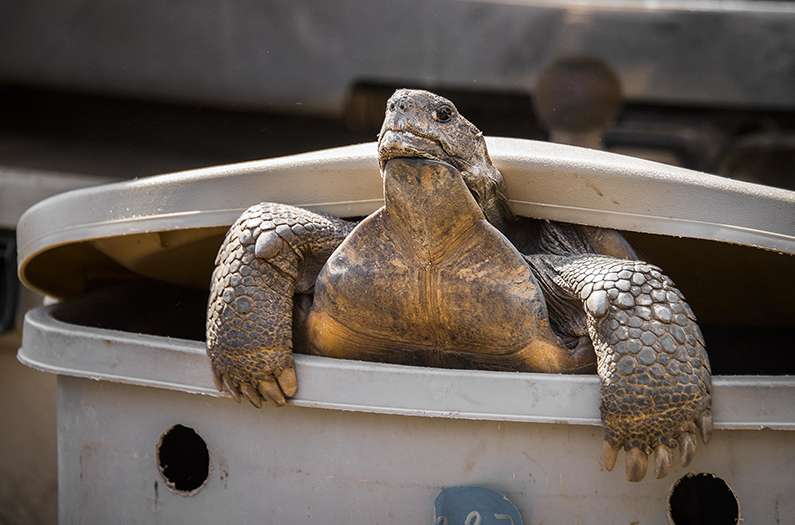
Developing nations are increasingly relocating wildlife to protect construction projects from regulatory hurdles, but new research shows that this strategy is often ineffective. According to a review of 256 case studies published in Conservation Biology, only 6% of amphibian and reptile relocations tied to development were successful.
Megan Winand, a biologist at the University of British Columbia and lead author of the study, warns that moving species away from a construction site does not guarantee their survival in a new environment. These relocation efforts, which are mostly driven by development projects ranging from pipelines to parks, often fail to achieve meaningful conservation outcomes.
While conservation-related transplants performed better, they only reached the top two levels of success 19% of the time. The review also found that two key factors contribute to the greater success of conservation transplants: removing threats to the animal in its new location and more long-term monitoring after the move. Despite these findings, the authors note that the high failure rate should not be seen as a lack of effort; rather, it highlights the difficulty of translocating species, particularly long-lived ones that reproduce slowly.
This underscores the importance of prioritizing habitat protection over species translocation in conservation efforts.
Written by urgent.news from Anthropocene Magazine's reporting — not their text. Machine-written — may contain errors; check the original before relying on it.