Midterm election results will slow data center buildout, experts predict
Democratic victories in several gubernatorial races are likely to restrain data center development across the U.S., according to tech analysts.
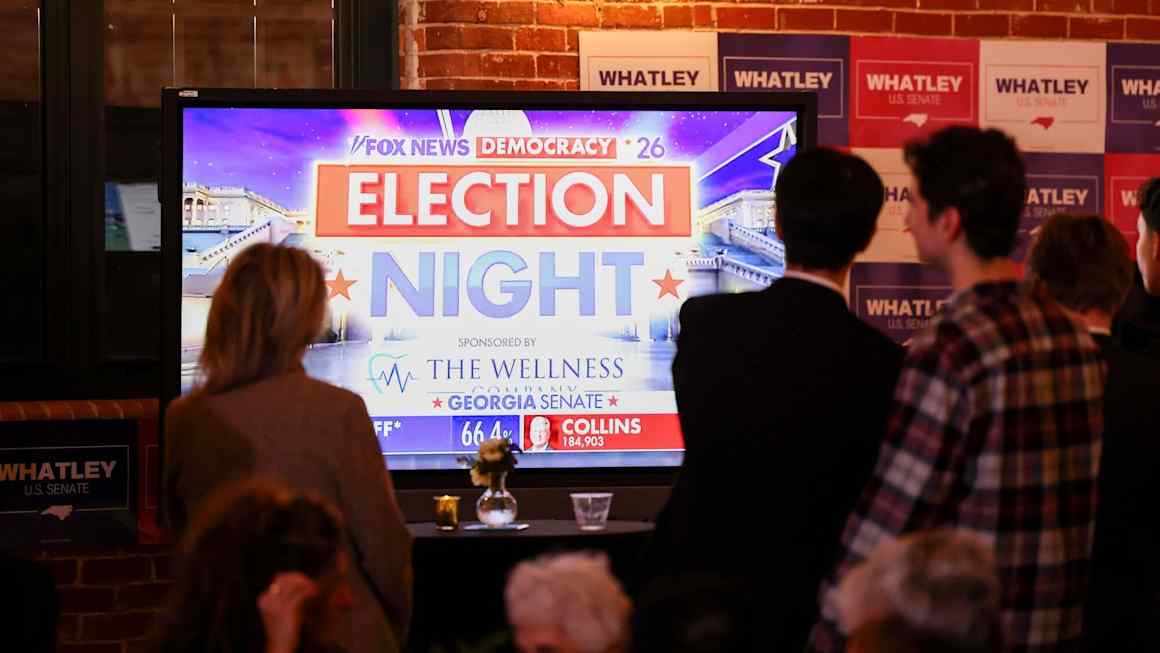
The recent Democrat victories in U.S. midterm elections could potentially curb the expansion of data centers across the country, according to predictions from financial analysts. As of Wednesday, 37 ballot measures restricting data center construction had been approved by voters, while only one measure supported their expansion, as per an analysis from Redbud Consulting.
The election has also propelled candidates who advocated for stricter data center regulations into office. A CBS News poll revealed that more Americans oppose than favor the construction of new data centers in their areas. Stephen Dover, a chief market strategist at Franklin Templeton, forecasted that the election results may result in a slowdown of data center construction, leading to new regulations and increased costs for developers.
Dan Ives, a technology analyst at Yorkville Ives & Co., agreed, stating that the election results will likely slow the construction of the 800 to 1,000 planned data centers in the U.S. aimed at fueling the AI revolution. Texas, which is home to 25% to 30% of the data center capacity expected to be online by 2030, could be particularly affected.
Democratic candidate Gina Hinojosa, who defeated Republican incumbent Greg Abbott in the Texas gubernatorial race, has proposed a temporary ban on data center construction during her campaign. If elected, Hinojosa could extend this moratorium without needing to pass a new law. In Georgia, another state with a significant data center market, Keisha Lance Bottoms, who campaigned on pausing new data center construction, plans to sign an executive order for the pause and review tax incentives that have spurred data center development.
While a slower data center buildout may delay construction, it is unlikely to significantly impact the U.S. economy in the long term, as predicted by analysts.
Written by urgent.news from CBS News's reporting — not their text. Machine-written — may contain errors; check the original before relying on it.