Microplastics pollute nearly two-thirds of corals in Malaysia’s marine protected area, study finds
KUALA LUMPUR — Microplastics, tiny plastic particles about 5 millimeters (0.2 inches) or smaller, have settled into the skeletons of corals in a marine protected area in Malaysia, according to a recent study. The study, published in the journal Regional Studies in Marine Science, focused on Pulau Redang Marine Park, in the southern South China […]
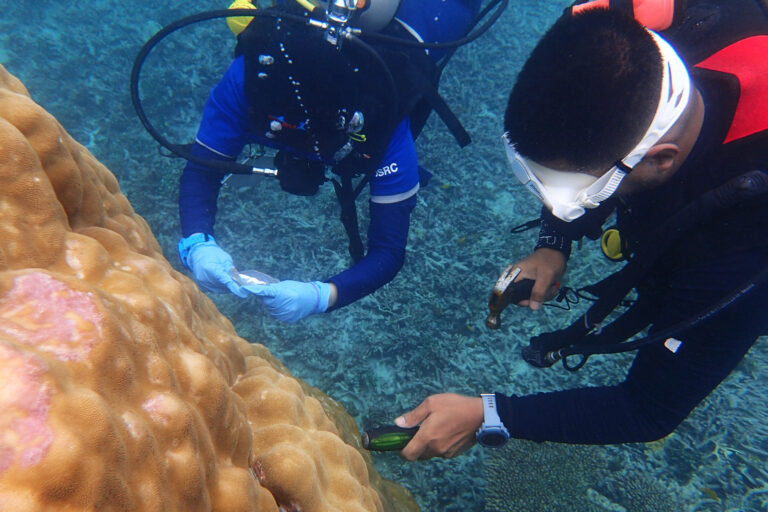
Microplastics, tiny plastic particles measuring 5 millimeters or less, have infiltrated the skeletons of corals in Malaysia's Pulau Redang Marine Park, a study reveals. Pulau Redang, known for its vibrant coral reefs and azure waters, has been a marine protected area since 1985. Researchers from Universiti Malaysia Terengganu collected 200 coral fragments from five reef sites around the marine park and discovered that 64% of these fragments contained microplastics.
These minuscule particles originate from sources like industrial pellets, microbeads in personal care products, and the disintegration of larger plastic items such as bottles and fishing gear. Once released into the ocean, microplastics can traverse vast distances. "The ocean is so big, and I was thinking, ‘What are the chances that these little plastics could enter so many corals?'", remarked lead author Ong Chai Kee to Mongabay.
Written by urgent.news from Mongabay's reporting — not their text. Machine-written — may contain errors; check the original before relying on it.