Marvel's VisionQuest Episode 7 Review: 'Immolation'
Paul Bettany proves he can chew scenery with the best of the MCU in the compelling penultimate episode of VisionQuest. Read our full review.
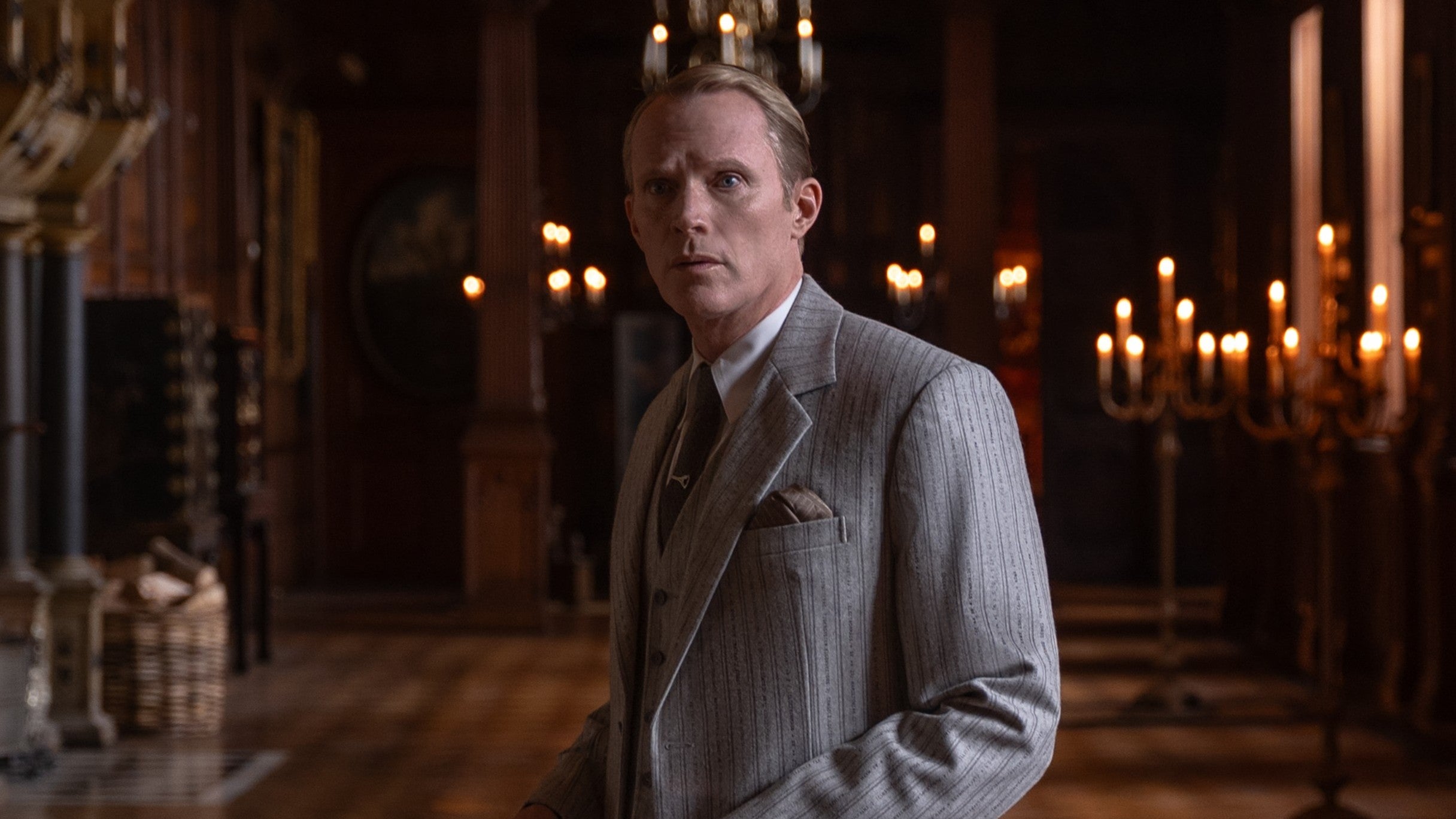
VisionQuest Episode 7, titled Immolation, is a strong continuation of the series, with Paul Bettany's Ultron taking center stage. This installment begins with a harrowing flashback set during World War II, introducing Paul Bettany's Phineas Horton, a role he plays beautifully. Bettany delivers a powerful performance, showcasing a haunted and suffering vision of the character, which sets the tone for the rest of the episode.
The show then encourages Vision to delve deeper into his suppressed emotions and memories as he embarks on a classic vision quest. This journey inward is visually represented with a sense of dread and psychological unease as Vision circles the same hallways, each loop revealing more about his complex digital existence. Bettany skillfully switches roles, portraying both the older, wiser Vision and the pre-Infinity War version, adding depth to the character's development.
The climax of the episode sees White Vision confronting his subconscious, revealing not only the digitized remains of Phineas Horton but also White Vision's iconic creation, J.I.M. Bettany shines in this scene, effectively portraying the various iterations of his character with distinct vibes and cadence. While the episode's other elements, such as Ultron and Jocasta's parallel journey and Paladin's hideout, are somewhat underwhelming, they serve to enhance the core story of Vision's psychological journey.
The episode concludes intriguingly, with the introduction of a seemingly human version of Ultron, setting the stage for the finale. Overall, Immolation is a standout episode, highlighting Paul Bettany's impressive range as Ultron and demonstrating a strong performance from the character.
Written by urgent.news from IGN's reporting — not their text. Machine-written — may contain errors; check the original before relying on it.