Mars isn't dead — recent volcanic activity reveals it's just sleeping
Scientists have long suspected that Mars is geologically "dead" but new spacecraft observations suggests the Red Planet's volcanoes are merely sleeping.
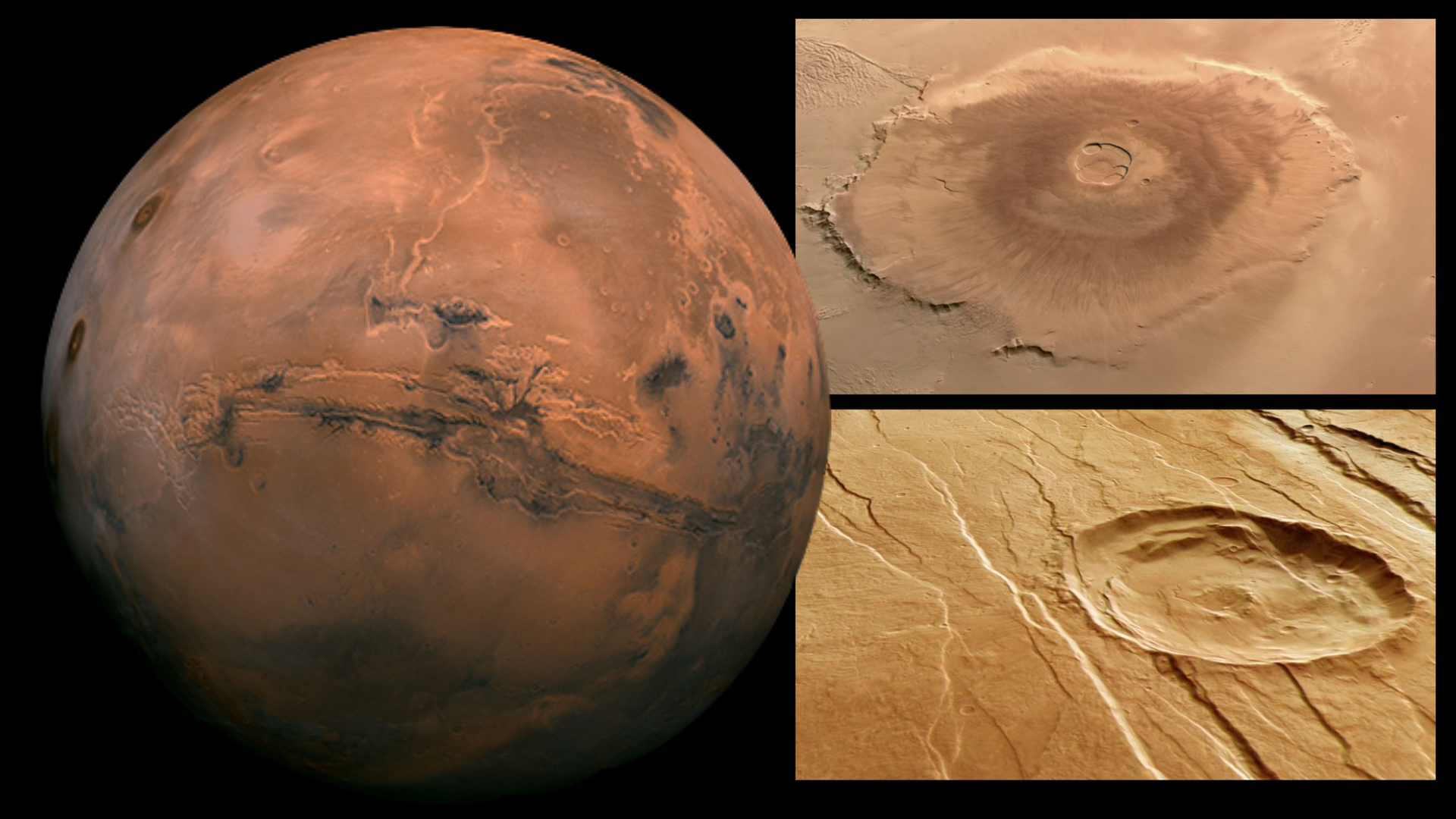
The recent observations from the European Space Agency's ExoMars Trace Gas Orbiter (TGO) have revealed that Mars might not be geologically dead after all. Scientists had long suspected that Mars was inactive, but new evidence suggests the Red Planet's volcanoes are merely sleeping. The TGO studied volcanic fissures along the Alba Mons region, which is home to the largest volcano in the solar system, Olympus Mons.
While Olympus Mons is the tallest volcano in the solar system, Alba Mons covers a larger surface area. The TGO detected hydrogen chloride gas, which is commonly found in volcanic eruptions on Earth, escaping from the Alba Mons fissures. This finding implies that Mars still has enough internal heat to support volcanic activity. The team co-leader, Daniel Mège, explained that this discovery is significant because it suggests Mars retains internal heat and may still be volcanically active.
The researchers believe the gas they detected is connected to a dormant magma chamber under the surface of Mars, which could potentially be a hotspot for searching life on Mars. The presence of hydrogen chloride would have created a thicker Martian atmosphere and warmer climate in the past, possibly leading to liquid water covering much of the Martian surface and forming warm niches ideal for microbial life.
Written by urgent.news from Space.com's reporting — not their text. Machine-written — may contain errors; check the original before relying on it.
This story
This is one outlet's version. Read the fullest account.