La inflación en la eurozona aumenta dos décimas en octubre, hasta el 4%
La tasa anual de inflación de la eurozona se incrementó en dos décimas en octubre con respecto a septiembre, hasta el 4%, impulsada por el encarecimiento de la energía, según la primera estimación publicada este miércoles por la oficina de estadística comunitaria Eurostat. Leer
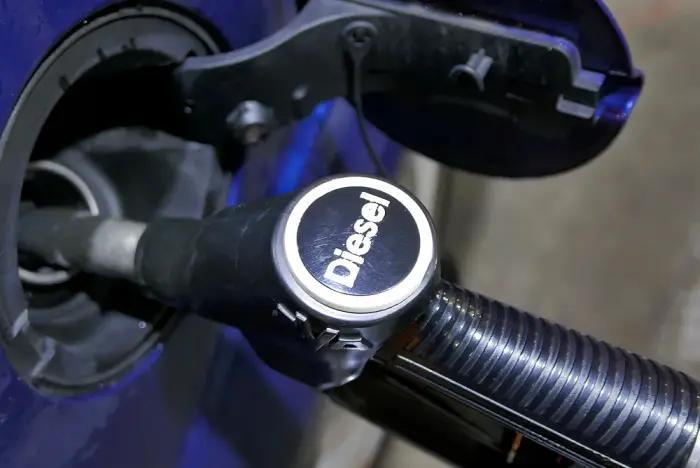
Inflation in the eurozone rose by two tenths in October, reaching 4% annually, Eurostat reported on Wednesday. The increase was driven by higher energy prices, according to the first estimate. The rate stayed at its highest level since September 2023, reinforcing arguments for the European Central Bank (ECB) to raise interest rates at their December meeting, analysts said.
Price hikes accelerated in October across all components of the basket, beginning with energy, which rose 20.8% compared to October last year, nearly two points above the 18.9% recorded in September. Inflation also rose in services to 3.3% in October from 3.2% the previous month, in food, alcohol and tobacco (1.6% from 1.3% in September), and in non-energy industrial goods (1.2% from 1.1% earlier).
Subsidial inflation, which excludes the effect of energy, food, alcohol and tobacco as they are the most volatile and is the main indicator for the ECB, remained at 2.5% in October. Inflation behavior was diverse among major euro economies. Germany's rate fell by five tenths to 2.8%, supported by government measures to lower fuel prices, while Spain slipped by a tenth to 4.9%, also due to energy price containment, their respective statistics agencies explained.
Conversely, Italy's rate surged by 1.2 points to 5.6% in October, and France increased by four tenths to 3.8%. Among all eurozone partners, price increases were most pronounced in Lithuania (6.1%), Bulgaria (6.0%), Greece and Italy (5.6%), Cyprus (5.4%), Belgium (5.2%), as well as in Spain and Luxembourg (both 4.9%). In line with the European average, Ireland stood at 4.0%, while inflation rates were lower in Portugal (3.9%), France and Slovenia (3.8%), Estonia (3.6%), Austria (3.5%), Finland (3.4%), the Netherlands (3.3%) and Latvia (3.0%).
Slovakia (2.9%), Germany (2.8%) and Malta (2.3%) recorded the lowest rates in a month when all eurozone members surpassed the ECB's 2% inflation target. This consolidates expectations that Frankfurt will raise interest rates again at their December meeting, which now stands at 2.5% for the reference rate (the deposit rate). Energy and food prices have driven the price increase, while sub-sidiary inflation, generally remaining stable despite the current energy crisis, strengthens arguments for a rate hike by the ECB in December, according to Nicola Nobile from Oxford Economics.
ING analyst Carsten Brzeski agrees that the jump signals another step towards a rate hike by December, but believes the weak sub-sidiary inflation means the impact of higher energy prices on the rest of the economy is limited, arguing against overly aggressive rate hikes.
Written by urgent.news from Expansion ES's reporting — not their text. Machine-written — may contain errors; check the original before relying on it.