Kronen kan redde julefreden
Kronen har blitt langt sterkere enn Norges Bank så for seg. Men sentralbanksjefen bør passe på hva…
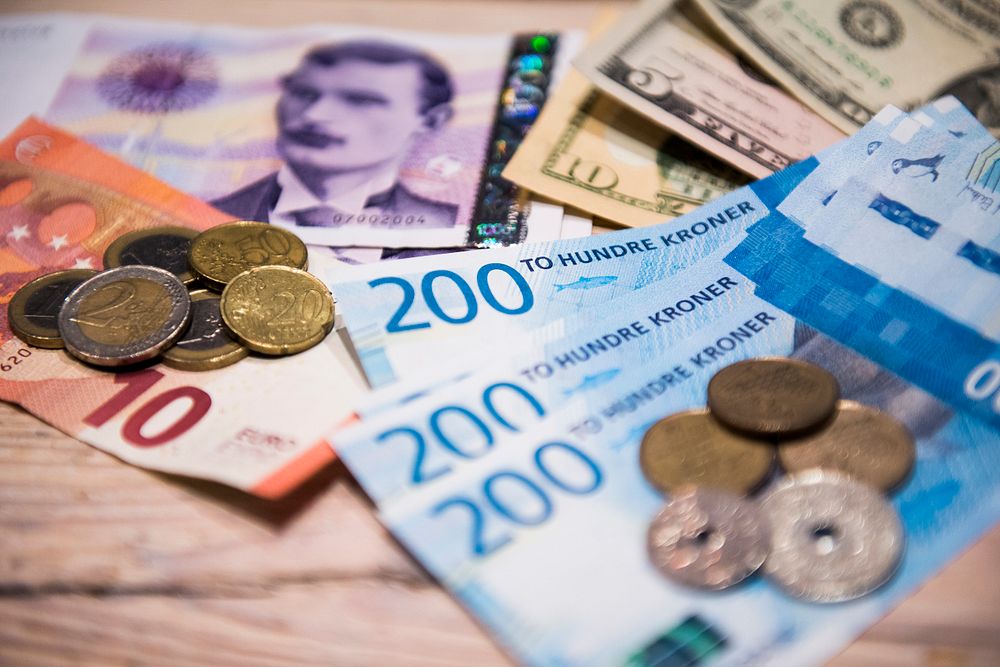
The Norwegian krone has begun to flex its muscles, as indicated by a recent monetary policy statement on Thursday. The central bank's decision to keep the key interest rate unchanged is likely to be closely watched, especially in light of the krone's recent strength. Currently, one euro costs around 10.30 kroner, having risen to nearly 12 kroner by Christmas.
The Norwegian krone is at its strongest against the euro in nearly four years, and the Swedish krona has strengthened over 13 percent against the Norwegian one since Christmas.
Since Christmas, one must now spend 95 Norwegian kroner to secure a single disc with the Swedish movie star Greta Garbo. Many Norwegians may find it hard to celebrate this development. The Norwegian krone was much stronger in the previous decade, with many in the southern European countries still remembering that one euro bought them a comfortable 8 kroner.
Against the currencies of the countries with which we trade the most, the krone has never been stronger in the past four years. It is also significantly stronger than the Norwegian Central Bank has seen before.
A stronger krone means not only cheaper travel and a milder autumn in the south, but also less favorable conditions for exporting from here. This could dampen wage growth in the future, and not least, make it cheaper to buy goods from abroad. Prices in stores will not drop overnight, but items like washing machines from Germany or a Cubus guitar from Turkey will cost fewer Norwegian kroner than before.
However, the prices at the stores will not fall immediately. The effects of earlier changes in the krone's rate will become noticeable in stores only after six to nine months. The strengthening of the krone earlier this year is expected to be felt in stores as well. However, the central bank hopes that the lower inflation rates, which are currently higher than desired, will help to temper price growth in the long run.
The central bank's preferred target for inflation, including core inflation, has been consistently missed. This was clearly stated in the bank's previous report. The decision to raise interest rates in September underscored the possibility of further increases if inflation became entrenched. The announcement on December 17th has received a lot of attention, as it is seen as a potential turning point for the holiday season.
However, the bank has received some help in maintaining its composure. The decision was not made by raising a finger. While the fear of Norwegian mortgage lenders is not over, the strength of the krone can be attributed to several factors. Firstly, global investors are still in a good mood. Secondly, the oil and gas prices have risen due to President Trump's ongoing feud with Iran, which has also benefited the krone.
But this does not necessarily mean good news for the central bank. Higher energy costs could make the goods we purchase from abroad more expensive, potentially offsetting some of the gains from a stronger krone. And should a larger stock market decline be triggered by investors' pessimism about the krone, the central bank could face new challenges. For now, the central bank remains grateful for the supportive assistance from the krone.
Written by urgent.news from E24 Norway's reporting — not their text. Machine-written — may contain errors; check the original before relying on it.