Korea will not be affected by NASA's Swift telescope crashing back to earth: KASA
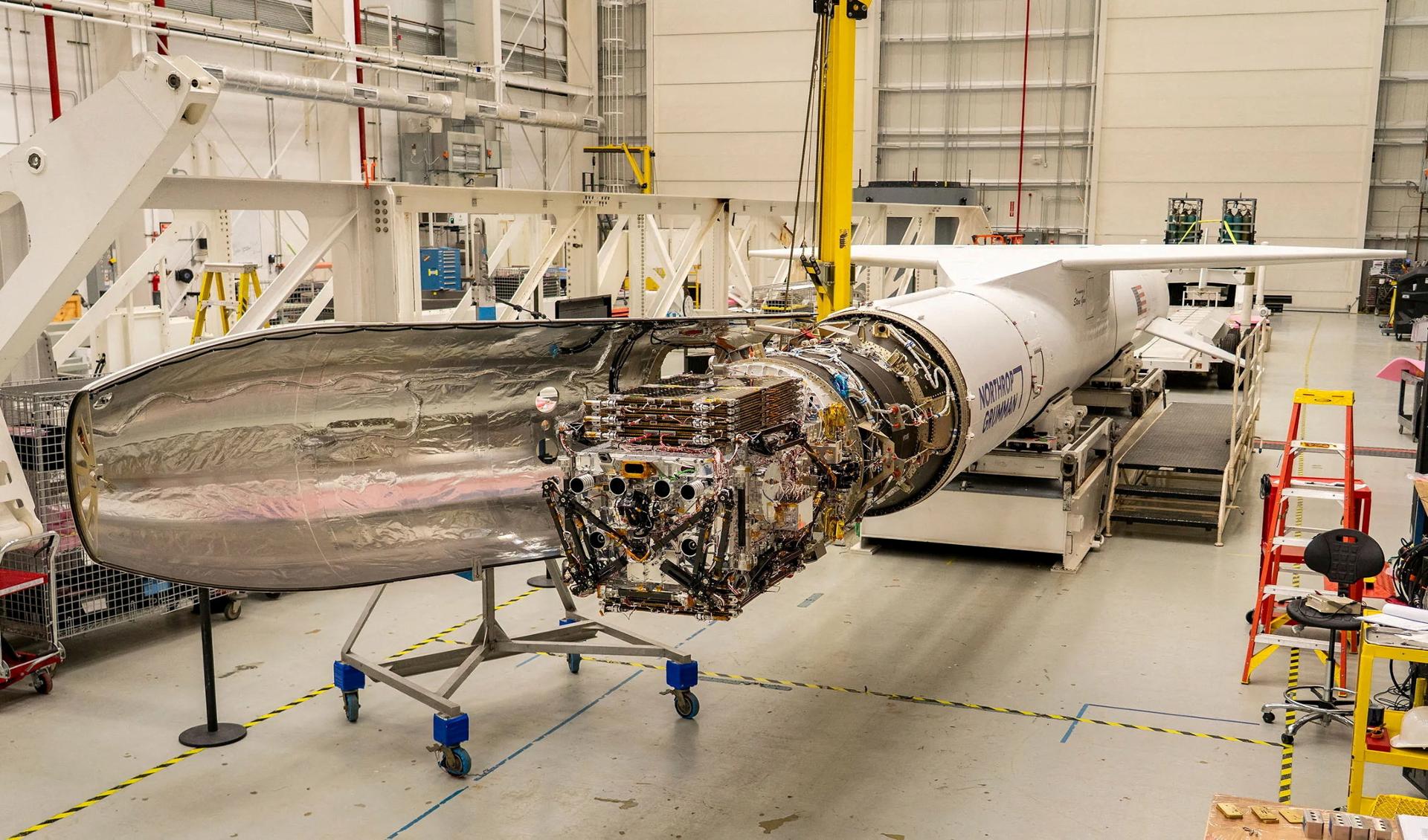
A defunct NASA telescope is expected to fall back to Earth on Wednesday evening, but it is highly unlikely the observatory will crash near the Korean Peninsula, Korea's space agency said. The Neil Gehrels Swift Observatory, also known as the Swift telescope, is projected to reenter the Earth's atmosphere at around 8:46 p.m., the Korea AeroSpace Administration (KASA) said, citing an analysis from…
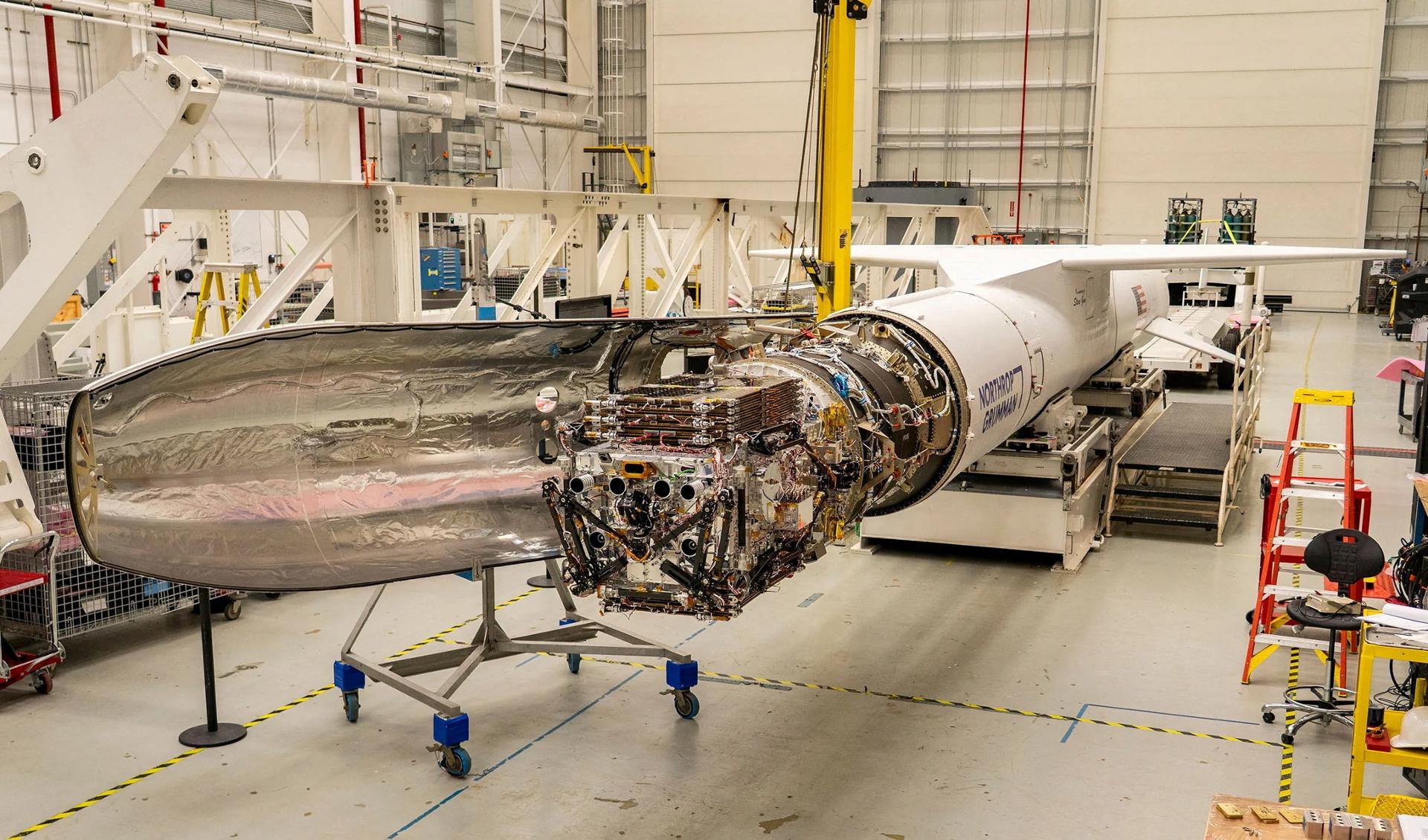
A defunct NASA telescope, the Neil Gehrels Swift Observatory, is projected to re-enter Earth's atmosphere on Wednesday evening, according to the Korea Aerospace Administration (KASA). The Korean Astronomy and Space Science Institute (KASI) provided an analysis suggesting the telescope will fall back to Earth around 8:46 p.m., with a margin of error of two hours.
Launched in 2004, the 1.5-ton Swift telescope had been observing high-energy gamma-ray bursts for the past 22 years. However, it began to deviate from its orbit and NASA attempted to boost its altitude in July, but the plan failed. The telescope was ultimately shut down on October 20. KASA stated they will continue monitoring the telescope's movements in coordination with KASI.
Most of the telescope's body is expected to burn up in the atmosphere, but some debris could potentially reach the ground. Nonetheless, KASA expressed it is unlikely the Swift telescope will crash near the Korean Peninsula.
Written by urgent.news from The Korea Times's reporting — not their text. Machine-written — may contain errors; check the original before relying on it.