Kiwi in brief skid after weak jobs data, Aussie pressured by dovish RBA turn
SYDNEY: The New Zealand dollar hit a three-week low on Wednesday as weak jobs data dented market wagers on a rate rise next month, while the Aussie nursed losses after a dovish turn by its central bank boosted bets that interest rates had peaked. All eyes are on the outcome of the US midterm elections. Most polls and nonpartisan analysts expect Democrats to wrest the House of Representatives from…
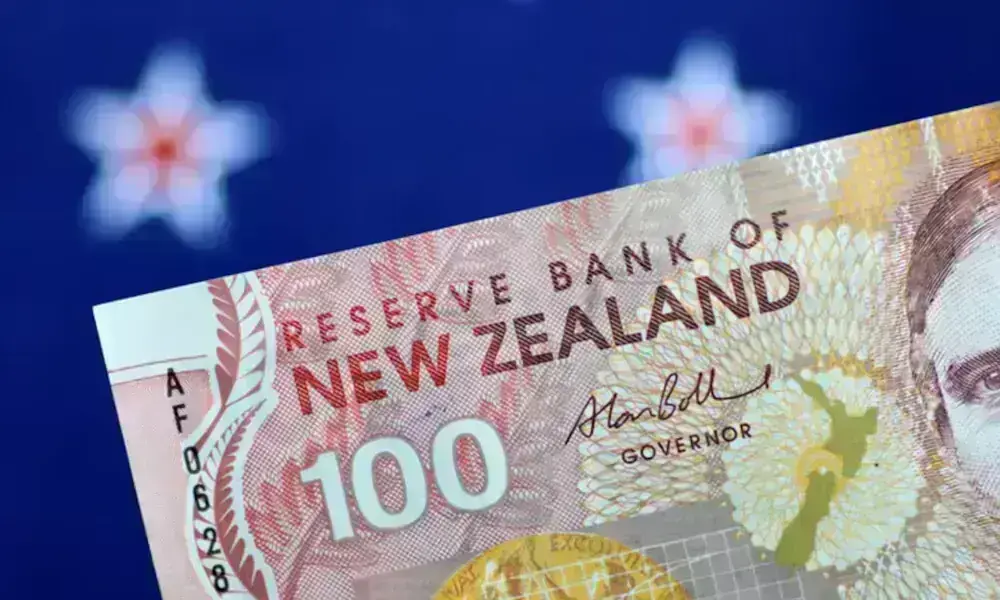
The New Zealand dollar tumbled to a three-week low on Wednesday as disappointing jobs data dampened expectations of a rate increase from the Reserve Bank of New Zealand (RBNZ) next month. Meanwhile, the Australian dollar faced pressure following a dovish turn by its central bank, which raised expectations that interest rates may have peaked.
Investors closely watch the US midterm elections, with polls and analysts predicting that Democrats will gain control of the House of Representatives while the outcome of the Senate remains uncertain. The kiwi dollar initially dropped to $0.5581, but later rebounded to gain 0.4% at $0.5612 after investors sold the US dollar in hopes of a robust performance by Democrats.
New Zealand's jobless rate rose to 5.7% in the third quarter, its highest level since 2015, while employment unexpectedly declined. This outcome confirmed the RBNZ's surprise decision to maintain interest rates just last week. The two-year swap rates declined 9 basis points to 3.7519%, the lowest in eight weeks. Economists at Citi Australia stated that they no longer anticipate further rate hikes from the RBNZ next month, and the probability of a rate cut is now at 57%, down from nearly 80% before the data.
The Australian dollar rose 0.2% to $0.6977 after falling 0.5% overnight, with the US dollar retreating. The currency has now surpassed its 7-day, 14-day, and 21-day moving averages, casting a bearish technical outlook and potentially leading to a retreat to $0.6895. The Reserve Bank of Australia recently increased its cash rate to an 18-year high, marking its fifth hike of the year. However, the bank's vote was narrower than expected, and its tightening bias diminished, signaling a potential end to consecutive rate hikes.
Markets have priced in this peak in interest rates, with only 6 basis points expected by early next year. Further easing is also anticipated, with 23 basis points of rate cuts expected by the end of next year. George Tharenou, chief economist at UBS, noted that the likelihood of additional hikes has diminished and expects the RBA to hold the cash rate at 4.85% for an extended period until late 2027. Should the RBA choose to hike rates again, the more probable timing would be in February 2027.
Written by urgent.news from Business Recorder's reporting — not their text. Machine-written — may contain errors; check the original before relying on it.