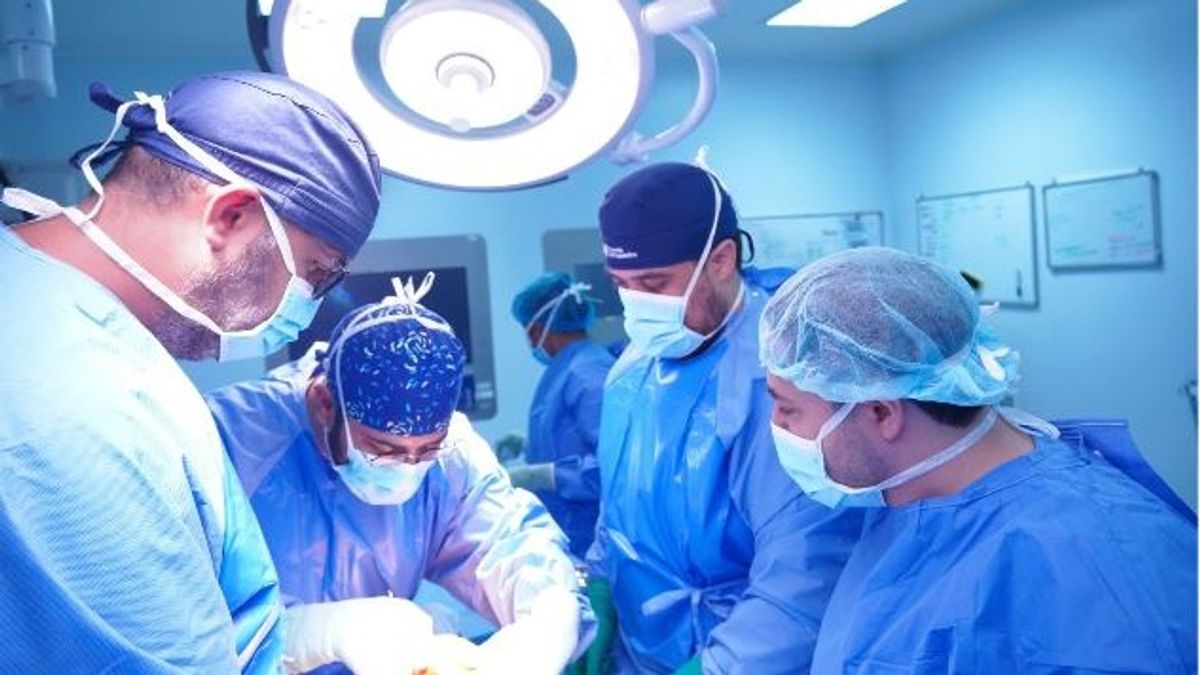
Kenya targets 9 million cataract surgeries by 2045
NAIROBI, Kenya, Nov 4 – Kenya has committed to reducing cataract-related vision impairment among people aged 50 and above from about 8 percent currently to 2.5 percent by 2045, under…
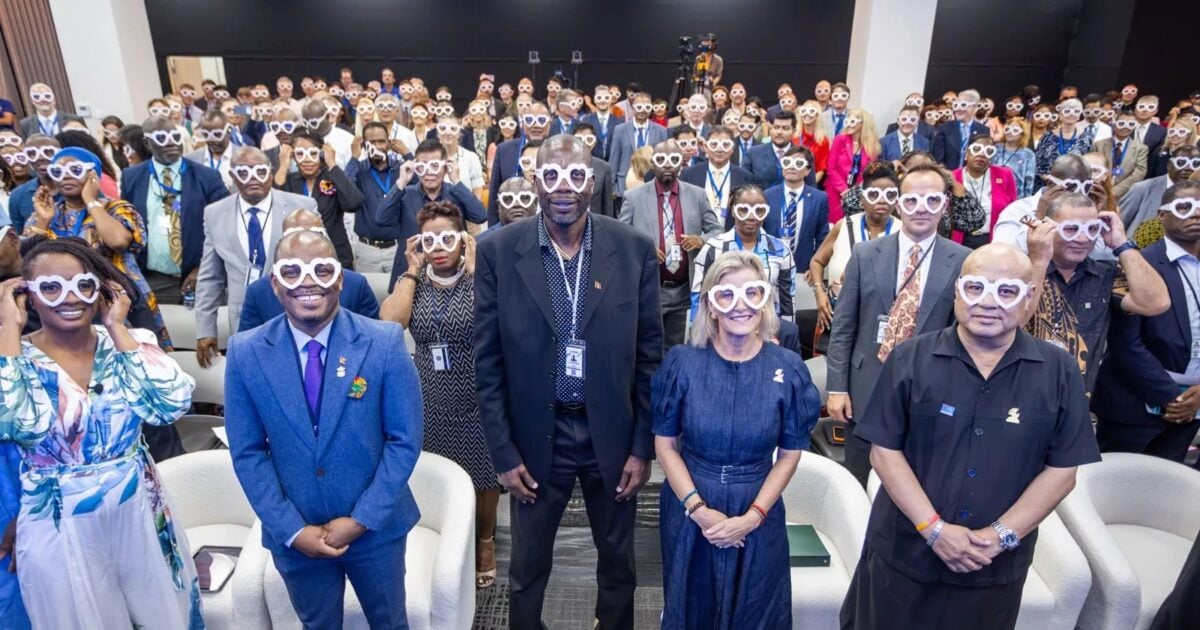
Kenya has set a bold goal to perform nine million cataract surgeries by 2045, aiming to drastically reduce vision impairment among its aging population. Currently, around 8 percent of people aged 50 and above suffer from cataract-related vision loss, a figure the nation hopes to cut to a mere 2.5 percent by the end of the decade. This commitment was unveiled at the Global Summit for Eye Health, where leaders from governments and health organizations outlined ambitious plans to enhance eye care accessibility.
In the coming years, Kenya intends to significantly increase the volume of cataract procedures. By 2030, the country aims to conduct 2,000 cataract surgeries per million people annually, a figure expected to rise to 8,600 by 2036. These targets are projected to culminate in approximately nine million cataract surgeries between 2027 and 2045.
The plan will be bolstered by increased funding from the Social Health Authority, bolstered eye health services, a larger pool of trained medical professionals, and refined referral systems.
The Kenyan government also plans to institute a national framework for monitoring the quality and outcomes of cataract surgeries, ensuring accountability and continuous improvement. The Ministry of Health will spearhead the creation of a detailed, costed national cataract plan in 2027, which will delineate county-specific targets, workforce needs, and a progress tracking mechanism towards the 2045 milestone.
The International Agency for the Prevention of Blindness (IAPB) estimates that an additional $25.5 million investment in eye health, from 2026 to 2030, could yield $265 million in economic benefits for Kenya. This investment would also generate about 8,628 more years of schooling, prevent 243 road traffic accidents, and avert 4,168 cases of depression among individuals with vision impairment.
Dr Andrew Jacob Toro, Head of Nursing and Curative Services at the Ministry of Health, emphasized that improved vision is crucial for education, employment, and social participation.
VisionSpring, a non-profit organization focused on expanding affordable eye care, has pledged to provide eyeglasses to an additional 550,000 Kenyans by 2030. Ruth Mugo, the Africa Programme Manager at VisionSpring, highlighted plans to expand community and workplace services, with a particular emphasis on supporting farmers, agricultural workers, and small-scale entrepreneurs.
The Global Summit for Eye Health, organized by the IAPB with technical support from the World Health Organisation, convened a diverse group of stakeholders to commit to advancing eye care initiatives globally.
Written by urgent.news from Capital Business's reporting — not their text. Machine-written — may contain errors; check the original before relying on it.