Johari: Malaysia must be more than a host for tech giants
KUALA LUMPUR: Malaysia is attracting some of the world’s biggest technology investments, but the real test is whether the billions flowing into data centres and artificial intelligence (AI) translate into lasting benefits for the economy.
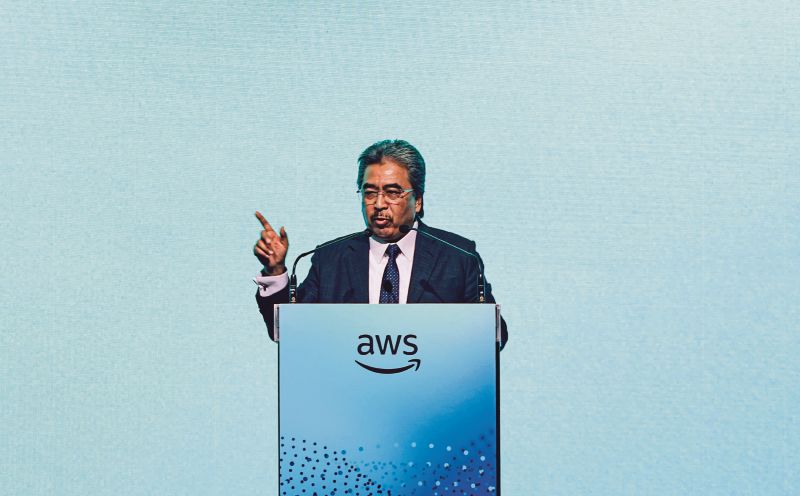
KUALA LUMPUR - Malaysia is attracting massive technology investments from global giants, but experts question whether these billions will lead to lasting economic benefits. Google's planned US$15 billion investment and Amazon Web Services' RM29.2 billion commitment through 2038 highlight the country's rising appeal as a regional hub for cloud computing and AI.
However, Trade and Industry Minister Johari Abdul Ghani warns that Malaysia must go beyond simply hosting this infrastructure and ensure that domestic businesses and workers reap the rewards. Data centre and cloud computing projects have accounted for nearly 44% of approved investments worth RM218.5 billion in the first half of the year.
With 117 data centres approved, totalling a maximum energy demand of 23,500MW once completed, the scale of investment is substantial. Yet, the real question remains: how much of this value will remain within the domestic economy? Google estimates its new campuses will contribute an average of US$1.1 billion annually to Malaysia's GDP and support over 37,000 jobs during construction, though fewer jobs will be sustained once operational.
Johari stresses the need to develop domestic expertise and rely less on foreign investment, recommending that approved projects meet at least 30% domestic content requirements, including the use of Malaysian consultants, contractors, engineers, and procurement managers. Google's collaboration with over 80 Malaysian entities could help bolster this expertise and create regional opportunities for domestic companies.
Additionally, Google plans to establish Data Centre Institutes at selected polytechnics to upskill 800,000 Malaysians between 2027 and 2031, while AWS launched Semarak AI Malaysia to target up to 445,000 government officers and 10,000 SMEs in AI adoption and digital skills. However, the expansion of these facilities will strain electricity and water supplies, as Malaysia seeks to support growing demand from manufacturing and other high-value industries.
The government is exploring additional generation capacity through solar, battery storage, hydropower, and potentially increased use of gas resources. Google also plans to support over 1GW of new clean energy capacity. Water security is a significant concern, especially in areas where industrial demand competes with household needs.
Google's water replenishment and resilience initiatives demonstrate the importance of managing the environmental impact of data centre growth.
Written by urgent.news from New Straits Times's reporting — not their text. Machine-written — may contain errors; check the original before relying on it.