Insuring DR Congo Projects Against Political Violence
Soaring costs of political violence insurance in the DRC reveal a broader capacity crisis for African mining. The post Insuring DR Congo Projects Against Political Violence appeared first on Global Finance Magazine .
Political violence insurance premiums in the Democratic Republic of Congo surged by up to ten times last year, transforming insurance costs from a routine expense into a critical factor for companies operating in the country's volatile security situation. Valéry Safarian, managing partner at Triangle Partners and an adviser to SFA Congo, the DRC's second-largest insurer, explained that the spike stemmed from conflicts involving the M23 rebels and widespread anti-government protests in the capital.
The financial impact was evident at SFA, which saw its political violence portfolio increase to $6 million in 2025, while overall turnover rose from $73 million in 2024 to over $81 million. Mining companies such as CMOC Group, Glencore, Eurasian Resources, and Chemaf were among those affected by the heightened risks. The situation underscores the significant disparity in the African insurance market, where capacity is abundant, driving down rates in many conventional insurance lines, but specialist risks, like political violence insurance, can still see abrupt premium movements.
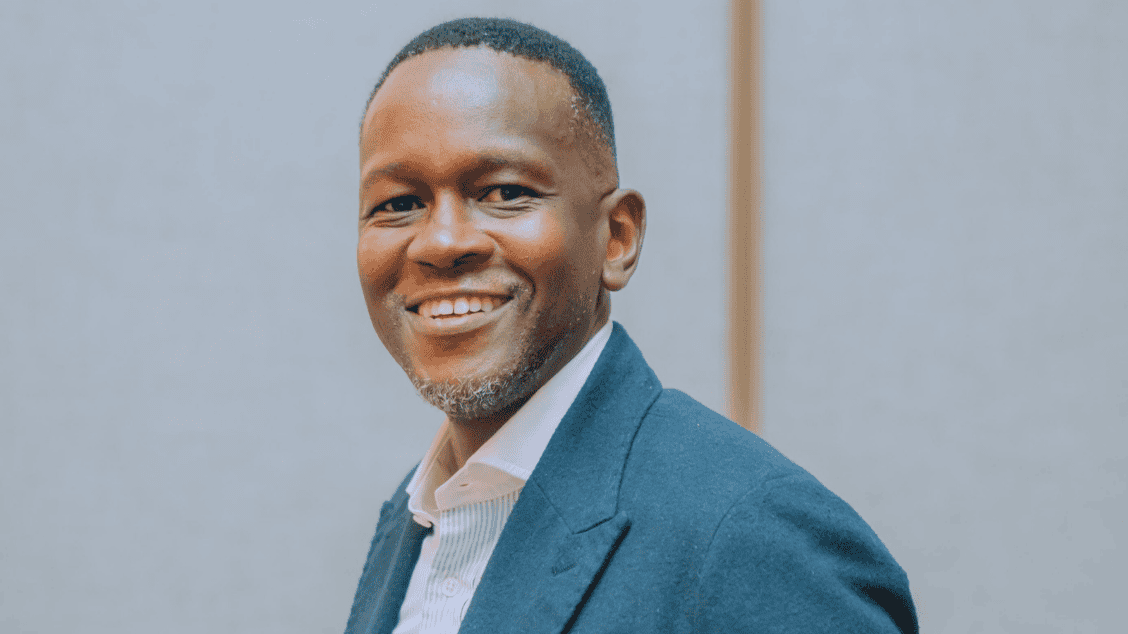
Lesley Ndlovu, CEO of AfrexInsure, emphasized that the real issue is not just rising premiums but whether investors can secure sufficient coverage limits, appropriate deductibles, and adequate protection for the project's value and duration. The 'capacity equation' can have far-reaching consequences, potentially impacting financing decisions for projects.
The DRC example illustrates that while capacity can sometimes be more important than price in determining a project's viability, when limits are reduced, deductibles rise, or exclusions leave risks unmanageable, insurance constraints can become financing constraints. The DRC market demonstrates how quickly these dynamics can change, with political violence premiums rising sharply when conflicts escalated and then falling again as security conditions improved and market capacity returned.
However, for long-term investors, the continuity of insurance capacity becomes crucial, as it can affect the availability of adequate protection over the life of a project. The broader African insurance market has also expanded, with non-life premiums reaching $350 million last year, up from $67 million in 2018, despite political violence premiums easing for the broader market, investors still face ongoing capacity challenges, particularly in sectors like mining, energy, infrastructure, and trade, where specific insurance protections are often required throughout the project's life.
Written by urgent.news from Global Finance's reporting — not their text. Machine-written — may contain errors; check the original before relying on it.