India rupee seen set to resume slide as foreign inflows remain weak
The Indian rupee is likely to give up its recent gains and slip again over the next few months, according to most FX strategists polled by Reuters, as a volatile external environment continues to pres...
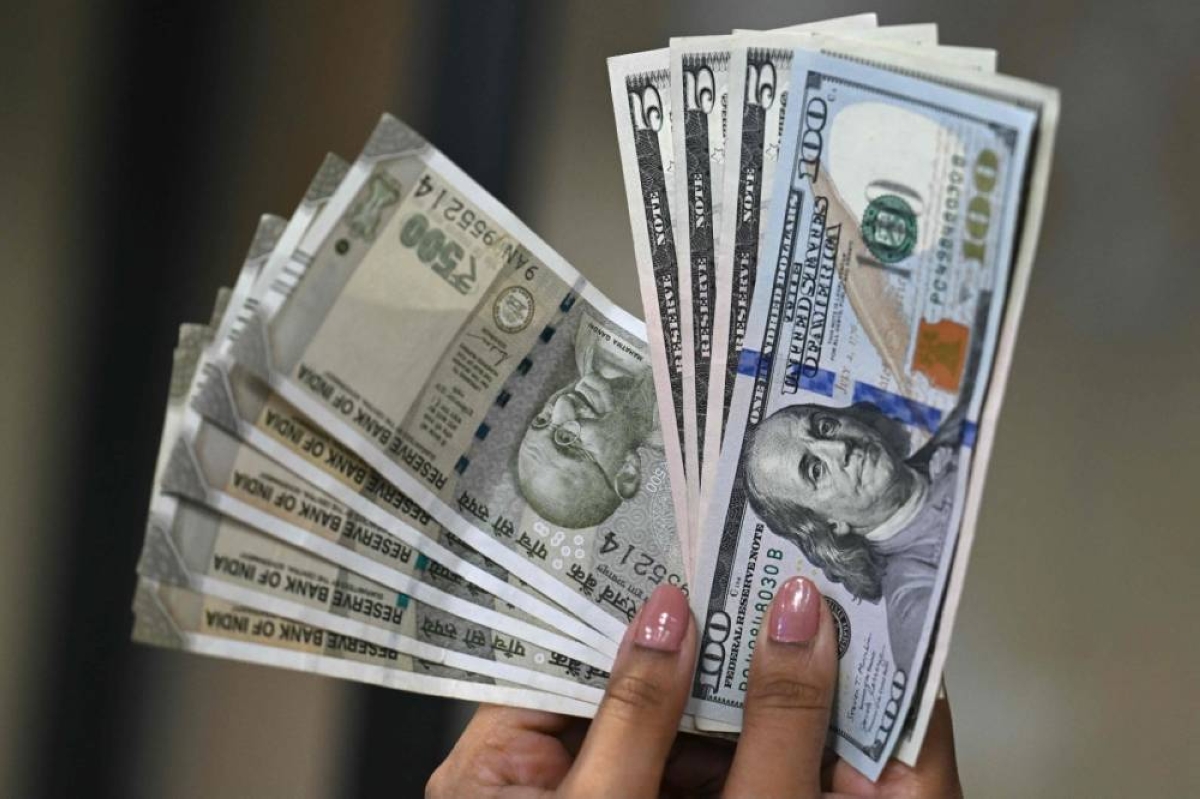
The Indian rupee is expected to resume its downward trend in the coming months, according to most foreign exchange strategists surveyed by Reuters. The median forecast predicts the rupee, presently trading around 94.70 per dollar, will depreciate to 96.00 by the end of January and 96.33 by the end of April. This anticipated decline is attributed to factors such as elevated oil prices impacting India, the world's third-largest energy consumer, and the persistent outflow of foreign investments, despite a weaker US dollar and interventions by the Reserve Bank of India.
The rupee has plummeted 5% this year, reaching a record low of 96.96 in May. It briefly rose to a two-week high of 95.00 as U.S. Democrats gained control of both the Senate and House. Strategists do not foresee a significant shift in foreign institutional investor (FII) patterns or capital flow trends in the near term, thus maintaining a slight depreciation bias for the rupee.
While the global Reuters FX poll anticipates a weakening US dollar in the forthcoming months, strategists believe it will be more resilient than initially anticipated. Upasana Chachra, chief India economist at Morgan Stanley, noted that as global financial conditions tighten, it will become increasingly challenging for India and other emerging markets to attract capital.
BofA, the most bearish forecaster in the poll, has consistently predicted the rupee to fall to 99 per dollar within a year. Morgan Stanley estimates the rupee could hit a record low of 96.33 by the end of April 2027. Despite these projections, none of the respondents expect the rupee to surpass the psychologically significant 100-per-dollar threshold.
The Reserve Bank of India's (RBI) intervention strategy has depleted critical buffers. Foreign exchange reserves have declined to $719.75 billion, while forward dollar liabilities have surged to a record $239.2 billion. These USD/INR levels are maintained artificially, and are not indicative of a normalized market where the rupee would appreciate; they represent a temporary phenomenon.
RBI does not set a specific USD/INR level and only intervenes to curb excessive volatility. However, the rupee has remained close to 95 per dollar for most months this year, primarily due to regular RBI interventions. It is evident that the RBI aims for the rupee to stabilize around the 95 levels. Apoorva Javadekar, chief economist at Shriram Group, added that RBI's measures have increased the cost of hedging against future currency losses, potentially discouraging foreign investors from committing capital to India.
Written by urgent.news from Gulf Times Business's reporting — not their text. Machine-written — may contain errors; check the original before relying on it.