In Asia, midterms spark worries about diplomatic uncertainty, economic pressure
Follow the SCMP’s live coverage here. In the wake of Democrats’ sweeping victory in congressional elections, Asian countries are weighing how their ties with the US will shift under a lame-duck Trump administration. Washington’s Asian allies believe the “blue wave” will only heighten pressure to invest in the US and take on a greater share of the financial burden for their security alliances. In…
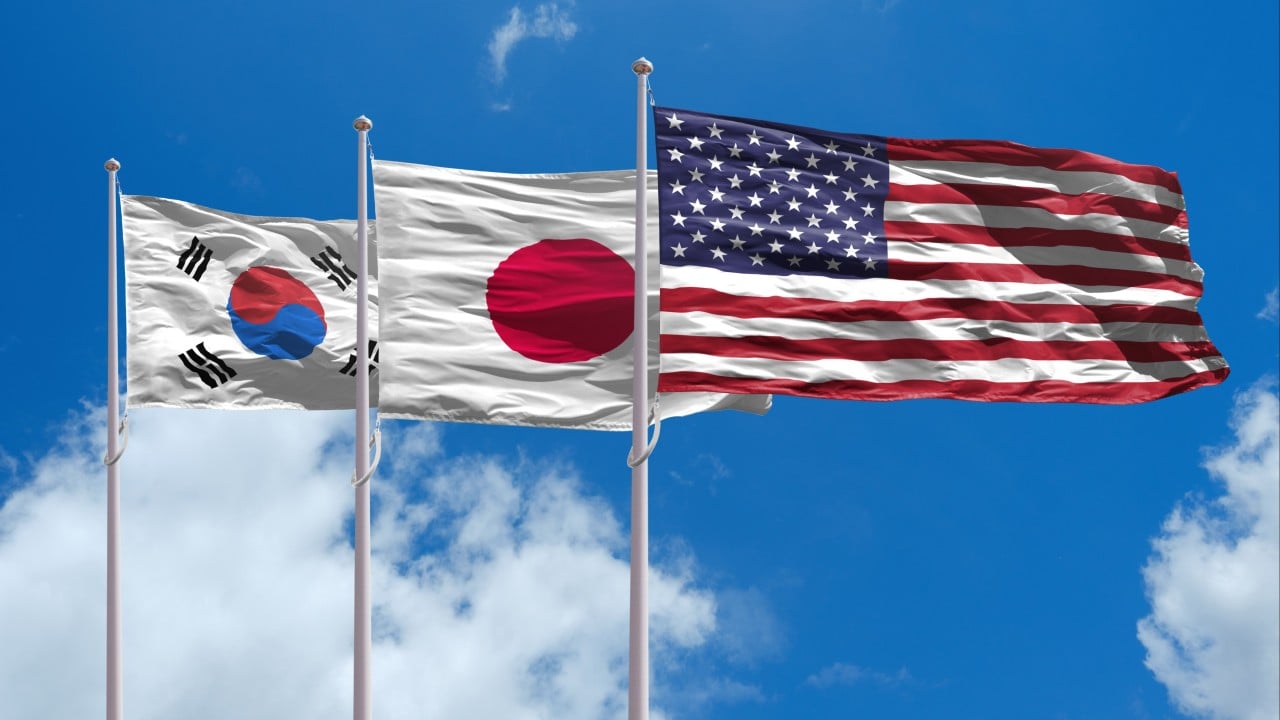
In the aftermath of Democrats' sweeping victory in congressional elections, Asian countries are closely examining how their relationships with the United States may evolve under a lame-duck Trump administration. Asian allies believe the "blue wave" will intensify pressure to invest in the US and share more of the financial burden for their security alliances.
South Korea, in particular, faces heightened diplomatic challenges as it must navigate relations with both the White House and Congress, potentially complicating diplomatic efforts. Former first vice-minister of foreign affairs Choi Jong-kun warned that a Democratic-led Congress may adopt a stricter stance on global non-proliferation norms, making it difficult for South Korea to secure fuel supplies for its nuclear-powered submarines.
Additionally, concerns loom over high-level diplomacy with North Korea, as Kim Jong-un has little incentive to re-engage with Washington, preventing a revival of talks. Both economic and military cooperation are expected to face increased pressure, with Congress likely to push for South Korea to fulfill its investment commitments to the US and cover more of the costs of their security alliances.
In Japan, Chief Cabinet Secretary Minoru Kihara affirmed Japan's continued importance of its Japan-US alliance, despite the midterm results. However, the more domestic difficulties a US administration faces, the more likely it is to push for quick achievements abroad, potentially increasing demands on Japan to invest in the US and share defence costs.
In Singapore, a Democratic Congress does not necessarily mean relief from tariffs, but it could introduce legal and policy uncertainty, as it takes a two-thirds majority vote in Congress to override a presidential veto. Despite this, there is some optimism that tariff pressures could ease if a more restrained US military posture is adopted, though any deeper shifts in US trade policy will have to wait for the 2028 presidential election.
Written by urgent.news from South China Morning Post's reporting — not their text. Machine-written — may contain errors; check the original before relying on it.
This story
This is one outlet's version. Read the fullest account.