How Texas went Democratic
Texas woke up red on Tuesday and went to bed blue. Why it matters: Just months ago, Democratic campaigns in the MAGA heartland appeared quixotic — obligatory more than realistic. Now those Democratic candidates have swept to power, led by two state representatives from liberal Austin — James Talarico , soon to be seated in the U.S. Senate, and Gina Hinojosa , who will take her place in the new…

Texas experienced a dramatic shift in political allegiance on Tuesday night. Once a reliably red state, Texas switched to blue, marking a significant moment in American politics. This change has far-reaching implications, especially for the 2028 presidential race, as the Lone Star State now holds 40 electoral votes that could be up for grabs.
The victory was comprehensive, with Democrats making significant gains across the state. State Representative Vikki Goodwin (D-Austin) defeated three-term Republican Lt. Governor Dan Patrick, while Nathan Johnson (D-Dallas) emerged victorious over Republican Mayes Middleton for the attorney general's seat. Both candidates were hailed as having shocked the world and taken back Texas.
The success of the Democratic candidates can be attributed to several factors. The unpopular President at the time, combined with high gas and grocery prices, dealt a significant blow to red-state GOP candidates nationwide. However, the Texas GOP faced an additional challenge in the form of an unpopular U.S. Senate candidate, Texas Attorney General Ken Paxton, who was even impeached by members of his own party.
Furthermore, incumbent Governor Greg Abbott, who had been in office since 2015, declined to debate his gubernatorial opponent, potentially alienating voters.
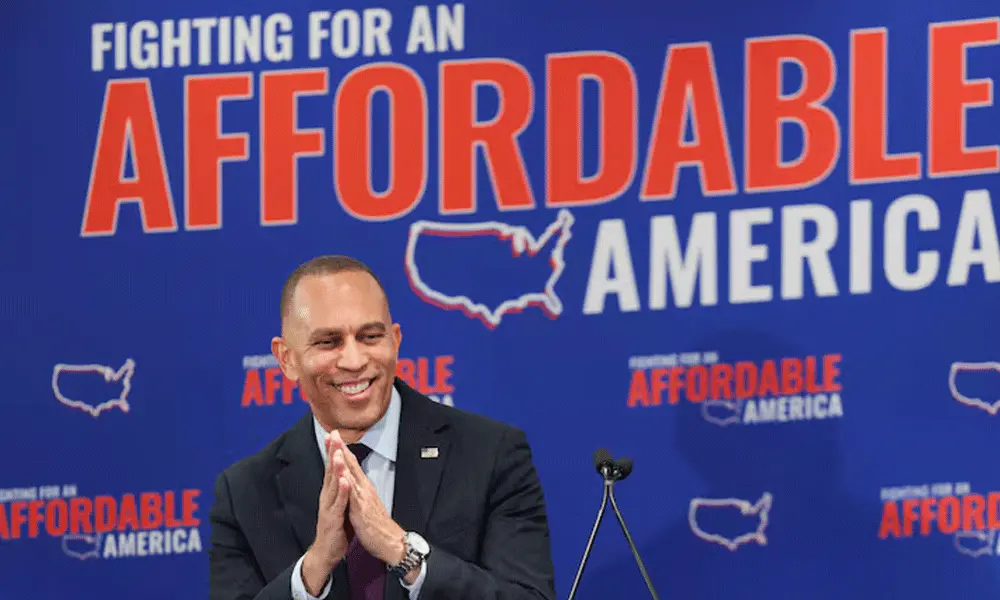
In contrast, the Democrats displayed discipline and unity in their messaging. They remained focused on affordability, a key issue that resonated with voters. This strategy proved effective as their opponents attempted to shift the narrative towards social issues.
Despite the Democrats' strong showing, Republicans were not without support. Elon Musk, the tech entrepreneur, reportedly provided over $150 million in funding to the campaign of Paxton in a single quarter, as well as at least $5.5 million towards Governor Abbott's campaign during the current cycle. This substantial financial backing from a single individual highlights the financial disparities between the two parties.
The implications of these Democratic wins extend beyond the immediate political landscape. They signal that Democrats can win statewide in Texas, a state that has traditionally been considered Republican territory. This success could potentially shift the balance of power in future presidential elections, putting Texas and its 40 electoral votes in play for Democratic candidates.
As political pundits analyze these results, they grapple with the question of whether this was a one-off event occurring amidst a difficult midterm climate for Texas Republicans or a sign of more profound, long-lasting change. Regardless of the answer, the fireworks shooting off in Austin last night marked a turning point in Texas politics, with state agencies previously controlled by the GOP now under Democratic control, setting the stage for potential policy changes in a long-conservative state.
Written by urgent.news from Axios's reporting — not their text. Machine-written — may contain errors; check the original before relying on it.