How one US city cut its infant mortality rate by half
A decade ago, a water lead crisis launched Flint, Michigan, into national headlines. But for years, the city of roughly 80,000 has also quietly carried the weight of a tragically high newborn mortality rate. In 2024, there were 9.4 infant deaths for every 1,000 births in Flint — nearly twice the mortality rate of 5.54 […]
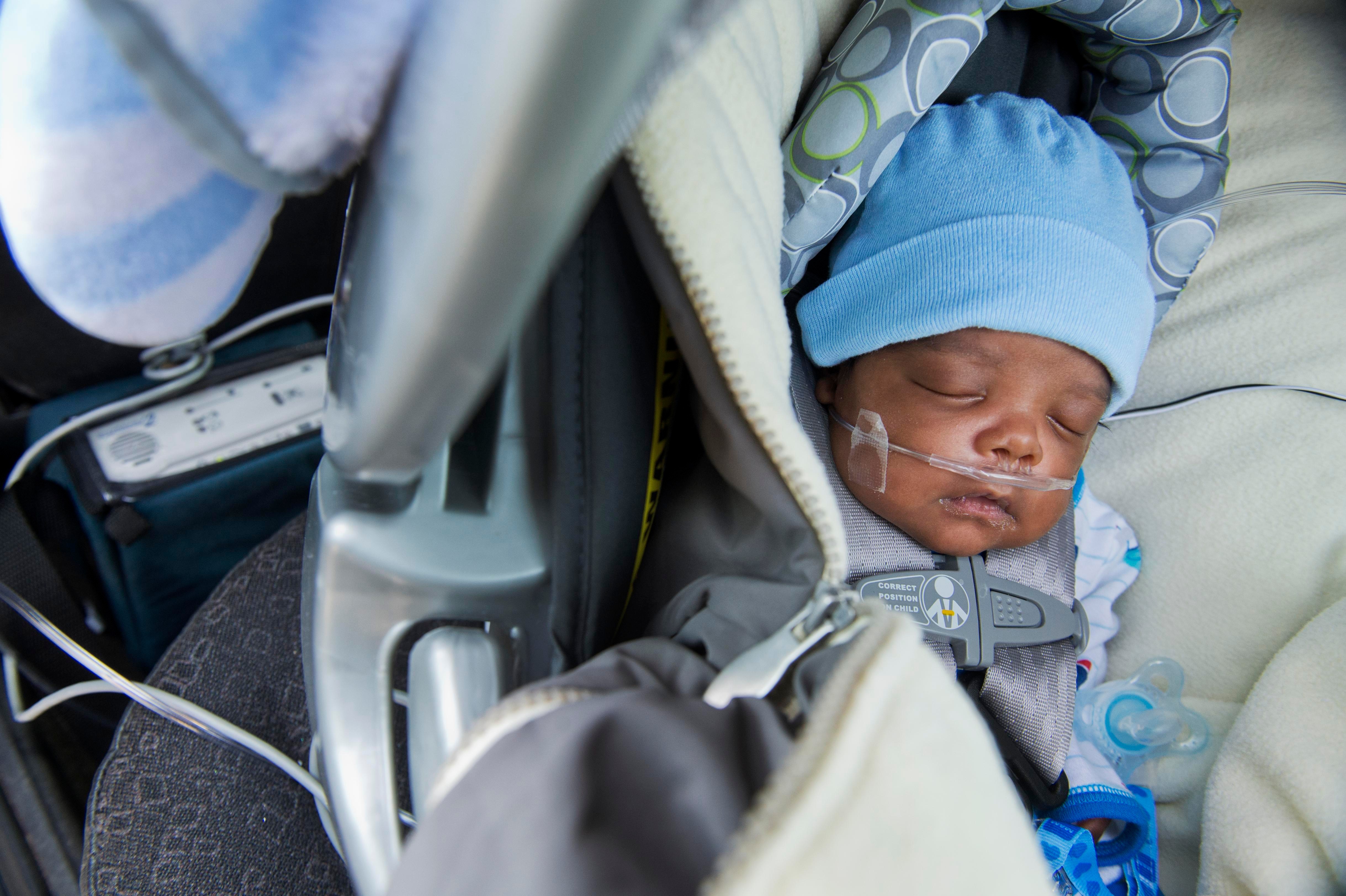
Flint, Michigan, has long struggled with an infant mortality rate that consistently tops the national average. In 2024, the city saw 9.4 infant deaths for every 1,000 births, more than double the US rate of 5.54. However, a new study suggests that a cash transfer program called Rx Kids may have significantly reduced this grim trend.
Implemented through nonprofit GiveDirectly, Rx Kids provided Flint pregnant women with a lump sum of $1,500 at the start of their enrollment and $500 monthly until one year after childbirth. Following the program, neonatal mortality — deaths up to a month after birth — dropped by nearly half, from 9.4 to 5.1 deaths per 1,000 live births.
While the study did not track outcomes for the first year of infancy, lead author Mona Hanna, associate dean for public health at Michigan State University, emphasized the importance of intervening during the perinatal period, when low-income families often face substantial financial burdens. The cash assistance appeared to alleviate financial strain, allowing mothers to spend money on baby supplies, rent, and food.
Additionally, a previous Rx Kids cohort study found that expectant mothers were less likely to engage in high-risk behaviors during pregnancy, potentially contributing to healthier birth outcomes. Hanna suggested that increased access to prenatal care may have been another important effect of the direct cash transfers. Flint's relatively small population and the program's low barrier to entry, which enabled over 90% of pregnant mothers in the region to participate, may have contributed to the program's success.
Unconditional cash transfers have shown promising results in other contexts, such as a Kenyan study that reported a 48% drop in infant deaths after cash transfers. However, the Rx Kids study's limited design, lacking a randomized control group, has raised questions about the generalizability of the findings. Nigel Paneth, an emeritus professor of epidemiology at Michigan State University, noted the study's limitations and the need to determine if similar effects would be observed in larger populations.
The scale of implementing such a program nationwide is also a significant consideration, as providing $7,500 per family in a small urban area can be costly. Nevertheless, Rx Kids is expanding its reach, launching similar programs in over 60 locations across Michigan with state support.
Written by urgent.news from Vox's reporting — not their text. Machine-written — may contain errors; check the original before relying on it.