How a cell surface protein slows down the Ebola virus
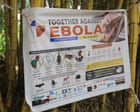
The Ebola virus can cause severe, often life-threatening disease in humans. To replicate, it must enter human cells and exploit their cellular processes. In doing so, it encounters natural defense mechanisms that can make infection more difficult.

A British citizen has been diagnosed with Ebola while residing in the Democratic Republic of Congo, according to the UK government. The Foreign Office affirmed that the nation "has well-established procedures for dealing with cases like this" and emphasized that the likelihood of the outbreak affecting the general public remains minimal.
This marks the first instance of a UK national contracting Ebola during the recent outbreak in DR Congo, which has resulted in over 5,000 fatalities thus far. It remains uncertain whether the patient will be repatriated to the UK for treatment; however, an individual exposed to the virus in July was flown back for medical care, similar to previous nationals infected abroad.
The Reuters news agency claims the recent patient is a healthcare worker and will be transported back to the UK, based on an internal document accessible by BBC News, though unverified. A UK government spokesperson reiterated, "The UK has well-established procedures for dealing with cases like this, and those processes have been activated."
Additional updates will follow as deemed appropriate. The likelihood of Ebola posing a threat to the UK populace remains low. Imported Ebola cases are exceedingly rare in the UK, with only four confirmed instances to date, all leading to no deaths. The most recent case transpired in 1976, originating from a laboratory mishap, and the subsequent three were linked to healthcare personnel responding to an outbreak in West Africa spanning from 2014 to 2015.
More than 10,000 confirmed cases have surfaced since the recent outbreak in DR Congo commenced in May, transforming it into the second-deadliest epidemic recorded in the country's history. The mortality rate currently stands at 48.6% as of late last month. Ebola can precipitate severe illness and mortality. Initial indications comprise nausea and diarrhea, but it can escalate to organ failure and internal bleeding.
The virus transmits from one individual to another via contact with infected bodily fluids, including blood or vomit. The ongoing outbreak in DR Congo is exacerbated by the Bundibugyo variant of the virus, which lacks an approved vaccine. Cases have also been documented in Kenya, Nigeria, and Uganda.
Written by urgent.news from MyJoyOnline Ghana's reporting — not their text. Machine-written — may contain errors; check the original before relying on it.
This story
This is one outlet's version. Read the fullest account.
- UK national tests positive for Ebola virus in DR Congo myjoyonline.com
- UK national tests positive for Ebola virus in DR Congo bbc.co.uk