Haze and the quest for a new growth model
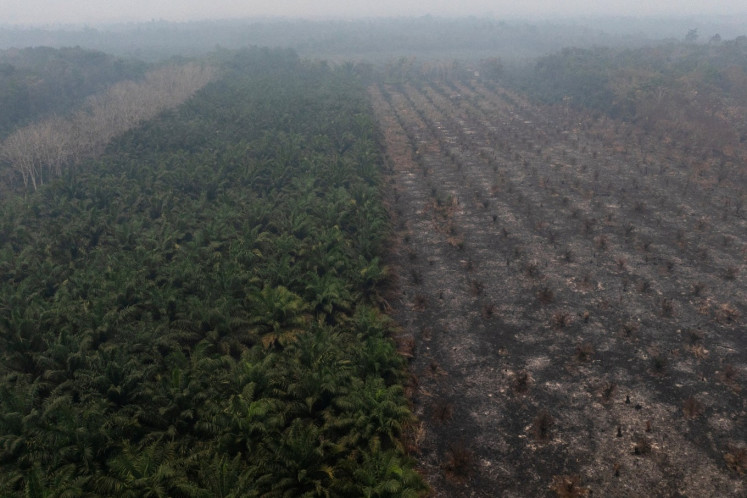
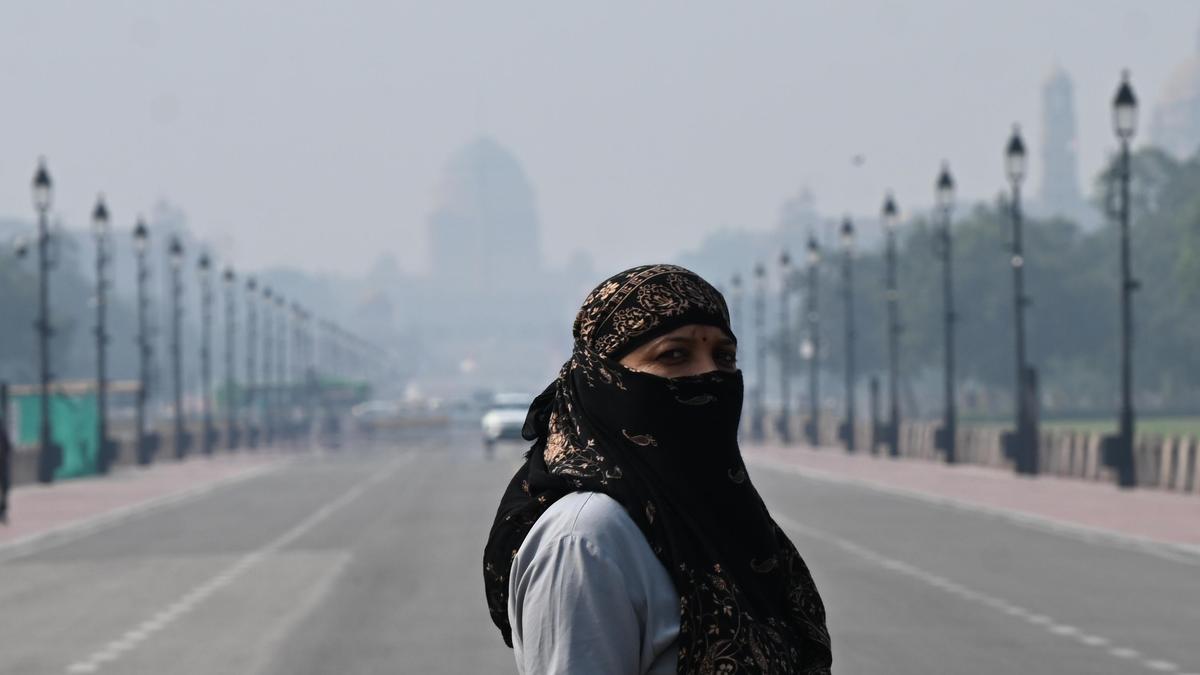
Haze has enveloped parts of Kalimantan, Indonesia, as forest fires rage across the island. Smallholder oil palm farmer Supendi has faced yet another disaster as El Niño has shrunk the Kapuas River, a crucial transportation route for oil palm products. As the fruit rots, so does Supendi's livelihood, joining millions of Indonesian farmers who rely on this crop for their survival.
Although palm oil is a common target for blame, it is only part of the story. The real issue lies in finding a sustainable engine of growth that can replace the destructive practices of slash-and-burn clearing, which is still the cheapest way to create farmland in Indonesia. Climate change has exacerbated the situation, making this year's fires the worst in over a decade.
Blaming palm oil is easy, but finding an alternative way for millions of families to make a living is more challenging. Indonesia's economy remains heavily dependent on commodities such as palm oil and coal, which are also at the bottom of the complexity ladder when it comes to economic output. Countries that rely on these low-complexity commodities lag behind those that produce more sophisticated products, leading to lower income per capita.
Manufacturing, on the other hand, can be a powerful engine for job creation and economic growth. In the past, manufacturing was the biggest contributor to the creation of middle-class jobs in Indonesia. However, its share of the economy has declined significantly in recent years, leaving Indonesia's job creation propeller sputtering.
The solution to this crisis lies in recognizing that fighting the fires and finding new, sustainable engines of growth are not separate battles. They are the same fight, and it is one that Indonesia has been losing for too long. It is time for the country to shift its focus from resource dependence to manufacturing and complex products, creating a path towards a more sustainable and prosperous future.
Written by urgent.news from The Jakarta Post Academia's reporting — not their text. Machine-written — may contain errors; check the original before relying on it.
This story
This is one outlet's version. Read the fullest account.
- Haze and the quest for a new growth model thejakartapost.com