Gulf and 'Blue Wave'
The Gulf barely featured in the election, and voters’ demand for lower prices aligns with regional efforts to end the war.
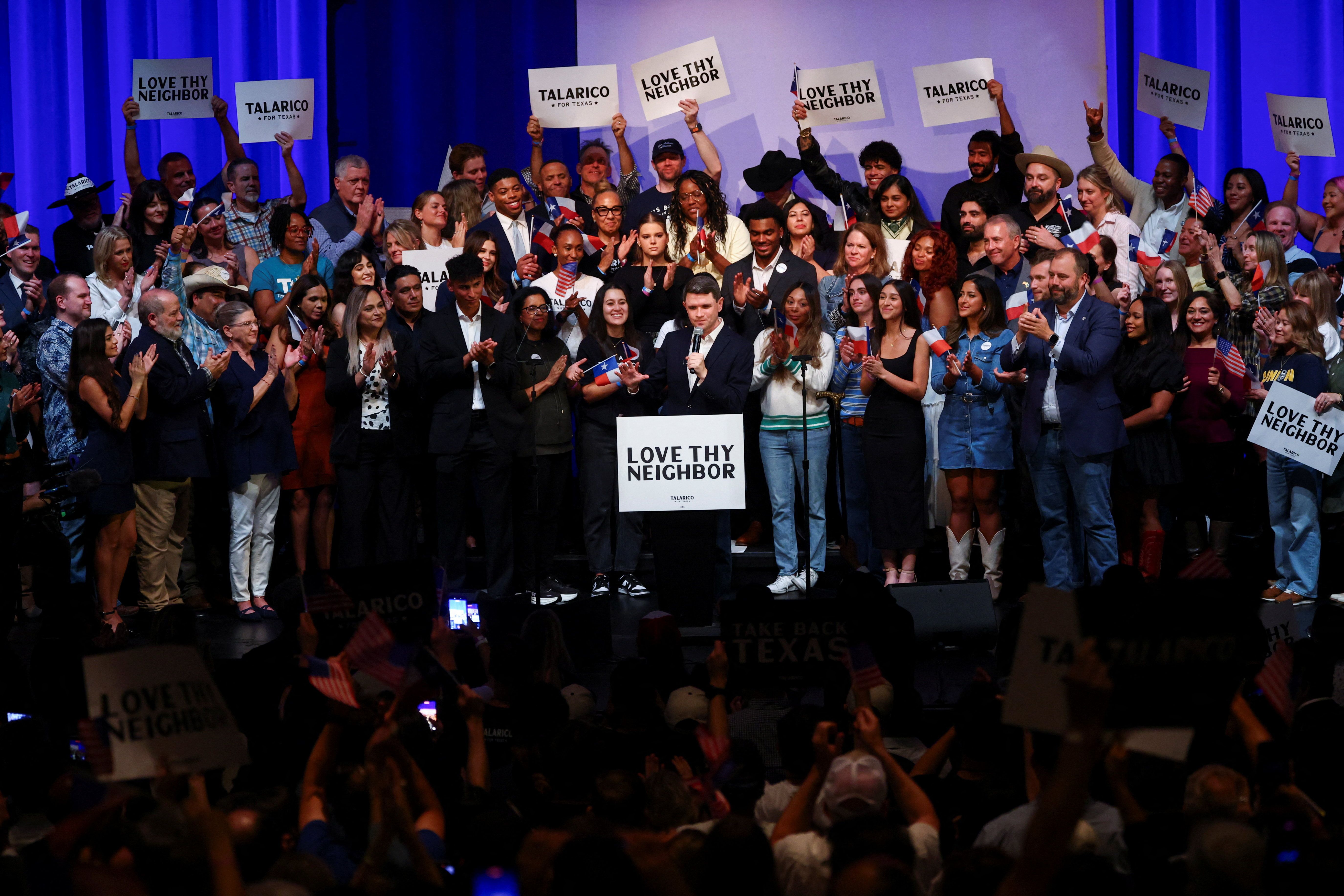
The anticipated "blue wave" in the US midterm elections escalated into a "tsunami," leaving a significant impact on the Gulf region. The election was a critique of President Donald Trump's policies, particularly his handling of the Iran conflict and domestic issues like rising living costs. However, the question remains whether Trump will be less inclined to escalate conflicts in the Middle East post-election.
According to Amos Hochstein, a former senior Biden administration adviser, Congress can control budgets, hold hearings, and demand answers, but "the president of the United States does foreign policy."
Gulf states face two risks due to the election outcome. The first risk is that a frustrated Trump, constrained by domestic policies, might escalate tensions with Iran to secure his legacy. The second risk arises from the possibility of Democrats using congressional powers to expose potentially uncomfortable details of dealings between Gulf investors and Trump's family, including those of Jared Kushner and Steve Witkoff.
On a positive note, the Gulf was largely absent from the election discourse, and the demand for lower prices aligns with regional efforts to end the war and resume normal shipping through the Strait of Hormuz. Gulf monarchies have the advantage of planning decades in advance without the interference of election cycles, allowing them to establish strong, long-standing relationships with Washington across both political parties.
Moreover, Gulf sovereign wealth funds have been actively investing billions in the Obama and Biden administrations, and some of today's AI cooperation was established prior to Trump's return to office.
One election issue that could potentially benefit the Gulf is the rise of data center NIMBYism among US voters. This phenomenon could encourage Gulf states to offer cheap energy, vast empty land, and faster permits for such projects. Lastly, while the Gulf's human rights record has not been a campaign issue, it could resurface if investigations into Trump's circle uncover any connections to Gulf entities.
Recently, Abdul El-Sayed, the son of Egyptian immigrants, made history by becoming the US's first Muslim senator, winning a contentious race in Michigan.
Written by urgent.news from Semafor's reporting — not their text. Machine-written — may contain errors; check the original before relying on it.