Google To Invest US$15 Billion in Malaysian Digital Infrastructure Expansion, Clean Energy Initiatives
Google unveiled its plans today to invest US$15 billion (~RM61 billion) over two years, between 2027 and 2028, as part of the Malaysian government’s Digital Infrastructure expansion. Through the investment, Google also plans on building its own energy-efficient datacentre campuses within the industrial zones, while also improving the job skills of approximately 800,000 Malaysians by […] The post…
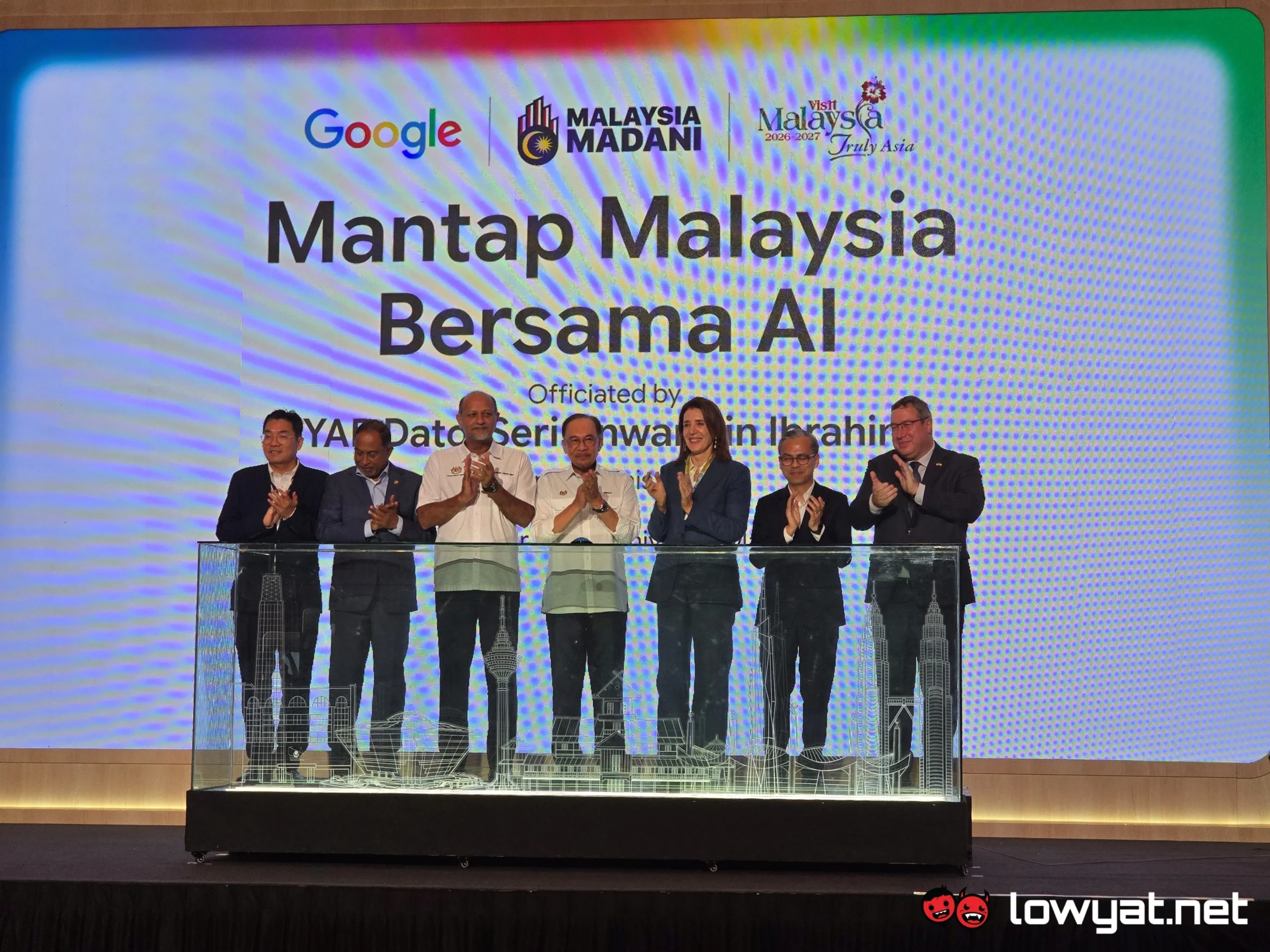
Google has announced plans to invest $15 billion in Malaysia over the next two years, aimed at expanding digital infrastructure and promoting clean energy initiatives. This investment will be spread across 2027 and 2028, with Google aiming to build its own energy-efficient datacentre campuses within industrial zones. In addition to this, Google plans to enhance the skills of approximately 800,000 Malaysians by 2031.
The investment will also contribute to local water security, with Google set to add over 1 gigawatt of power to the National Grid. This project is particularly significant for the Negeri Sembilan state, where Google is constructing an off-river storage reservoir and a new water treatment plant in collaboration with the state government and Syarikat Air Negeri Sembilan (SAINS). The new plant will have the capacity to produce 65 million liters of treated water daily, serving domestic, commercial, and datacentre needs.
Beyond Negeri Sembilan, Google has announced two additional water replenishment projects. The first involves a river basin stewardship at Sungai Buloh and Sungai Selangor, where Google and GEC will work together to deploy nature-based solutions and community-led initiatives. These include constructed wetlands, riverbank bioengineering, and pollution monitoring.
The interventions aim to improve water quality, enhance riverine ecosystems, and reduce the filtration and treatment burden on downstream plants, thereby bolstering water security in Kuala Lumpur and Selangor.
Written by urgent.news from Lowyat.NET's reporting — not their text. Machine-written — may contain errors; check the original before relying on it.