Experts warn building new data centers across the US could wipe out the last 15 years of greenhouse gas progress
US data centre expansion could increase emissions as gas turbines meet rising demand and renewable generation struggles to keep pace.
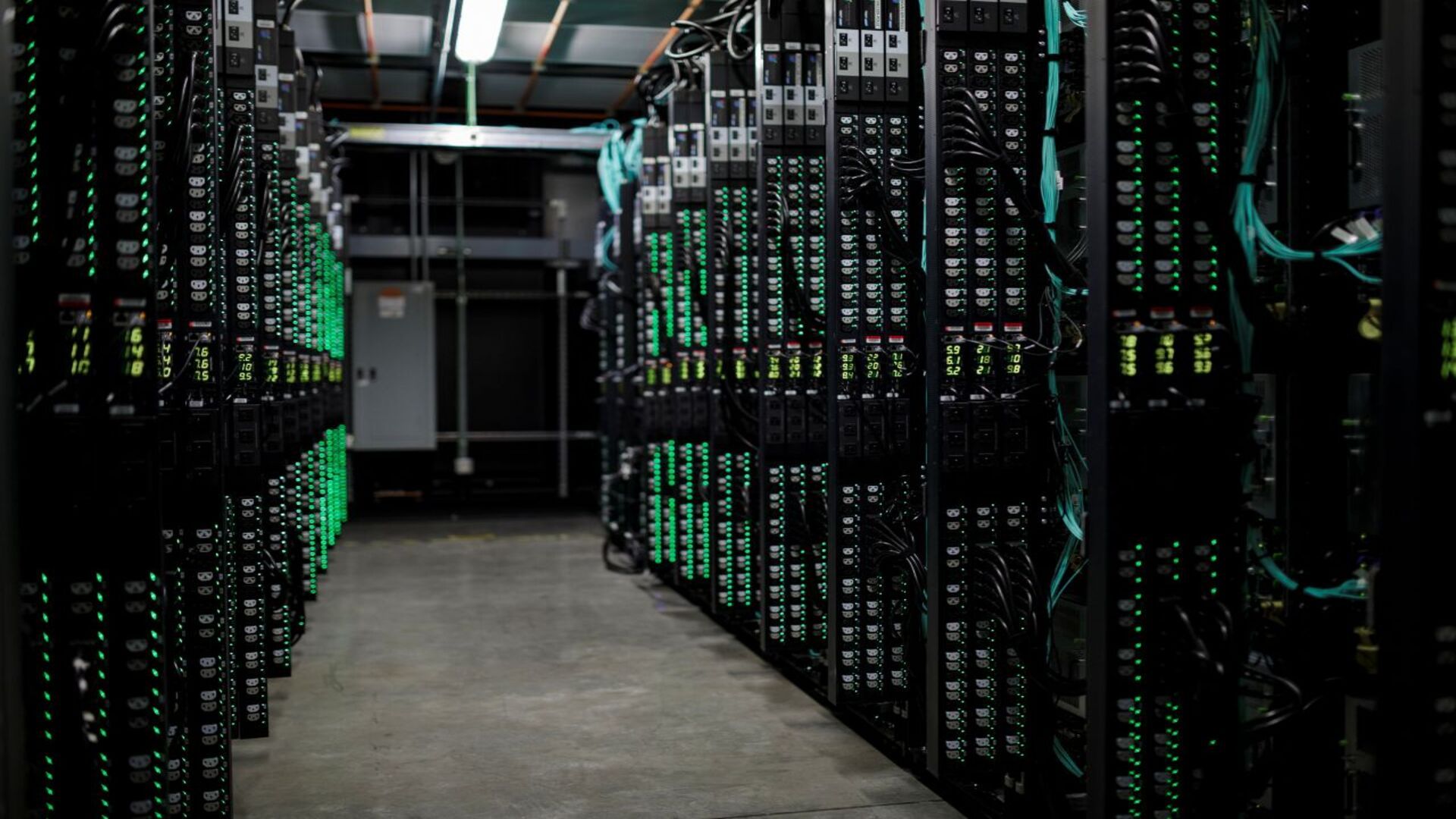
A new assessment from the environmental group Sierra Club warns that expanding data centers across the United States could undo years of progress in reducing greenhouse gas emissions. In 2030, CO2 emissions linked to the expansion could reach 460 million metric tons, an alarming figure that matches Mexico's annual carbon dioxide emissions.
The Sierra Club attributes this potential increase to the rapid growth of artificial intelligence infrastructure in the United States. Approximately 40% of American data centers currently rely on electricity generated by gas turbines, which is projected to rise 42% above 2025 levels by the end of the decade.
Jeremy Fusher, the principal advisor for climate and energy at the Sierra Club, expressed surprise at the scale of the latest estimates, stating that "the numbers continue to sort of boggle our minds." The organization's earlier projections had placed the increase between 25% and 50% of current estimates.
Natural gas remains a crucial part of the U.S. electricity supply, powering about 40% of data centers. However, increasing competition for electricity generation equipment and turbine price hikes of 50% are hindering the transition to cleaner energy sources. Some manufacturers have even opened production reservations for equipment scheduled for delivery in 2032, indicating potential delays in the move away from fossil fuel generation.
The expansion of data centers is also facing challenges related to infrastructure and regulatory issues. Some applications for construction permits exceed the available electricity transmission capacity in several locations, and projects are met with opposition from communities concerned about electricity consumption, environmental consequences, and the costs associated with infrastructure expansion.
Moreover, financial uncertainty within the artificial intelligence industry may further delay projects, as hyperscalers facing questions about commercial returns could postpone or abandon plans before construction begins. Existing regulations requiring renewable electricity for new facilities may provide some protection, but delays and the fact that they generally do not apply retrospectively to operating installations mean that fossil fuel generation could remain part of the electricity supply during substantial periods of infrastructure expansion.
Written by urgent.news from TechRadar's reporting — not their text. Machine-written — may contain errors; check the original before relying on it.