Evidence in hand, why the silence? — Ahmad Ibrahim
NOVEMBER 4 — At the 2026 Oils and Fats International Conference (OFIC), a paper laid bare a question that has long...
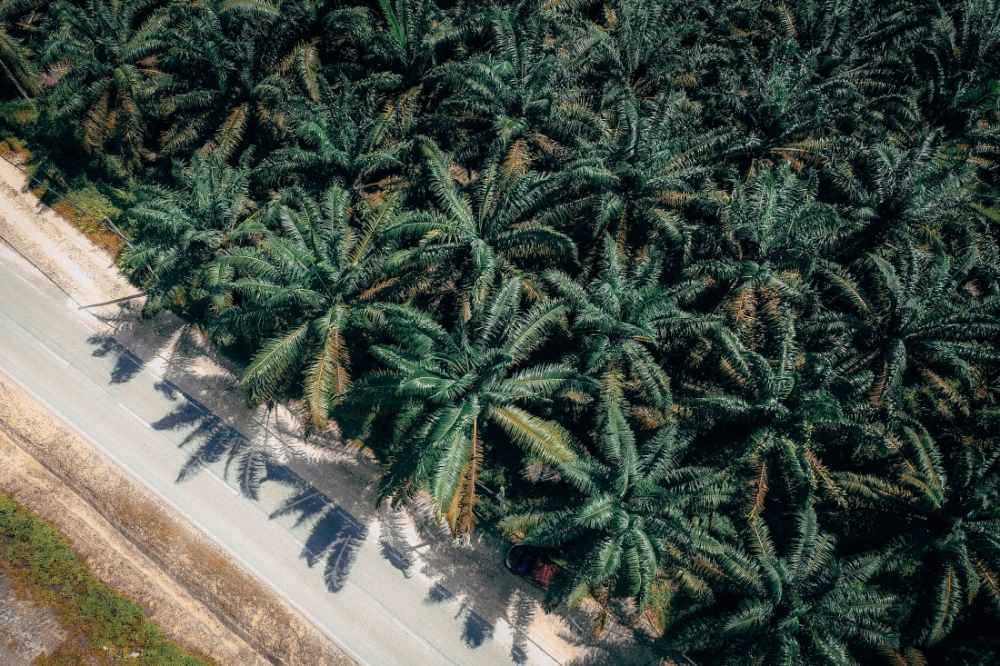
November 4 — A paper presented at the 2026 Oils and Fats International Conference (OFIC) raises an intriguing question: why does palm oil, the most land-efficient oil crop, continue to face a negative reputation in Western media? Despite accounting for only about 2% of global deforestation, palm oil is rarely discussed alongside the 98% attributed to other industries.
When Western wildfires occur, the narrative centers on climate change and global warming, while fires and haze in Southeast Asia are immediately linked to palm oil producers. Research published in Europe PMC reveals that oil palm expansion's share of global forest loss has plummeted from 12.2% before 2015 to a mere 2.2% after 2016, while pasture expansion now drives 42% of commodity-driven deforestation.
Oil palm's land-use efficiency is unmatched, meeting roughly 40% of global vegetable oil demand from just 5% to 5.5% of global oilseed crop area. Despite the available evidence, the narrative is lacking. The industry has largely relied on certification schemes like RSPO and MSPO, which serve as compliance tools rather than persuasive mechanisms.
Consumers and policymakers in the West may not find a certificate as compelling as images of endangered orangutans losing their habitats. To effectively communicate, palm oil needs to showcase its positive impacts first, then present the comparative framework without jumping to blame-shifting. Major producers Malaysia and Indonesia have faced a significant communications gap, as Western agricultural interests wield stronger lobbying power and media presence.
The EU's Deforestation Regulation (EUDR) has targeted palm oil more aggressively than beef and soy, despite comparable environmental impacts. While climate change is rightly highlighted as a factor in western wildfires, the same science should apply to Southeast Asian fires. The palm oil industry must shift from defensive responses to proactive agenda-setting.
Effective communication requires highlighting "the 2%" alongside "the silence of the 98%," using data over emotion. Lessons from the tobacco industry demonstrate that acknowledging history, demonstrating improvement, and questioning why other industries aren't held to the same standards can be powerful. Malaysia and Indonesia can leverage the Asean framework to push for symmetric sustainability standards, demanding logical consistency from other industries as well.
Platforms like Mosta should prioritize cross-commodity comparative research, placing palm oil's environmental performance in a broader context alongside other crops. The evidence is there; what remains is finding the right channels to share it. Ultimately, the palm oil industry's challenge lies in who is telling the story—not in the availability of evidence.
In a world where narrative outranks facts, silence will only allow others to frame the discussion in their favor.
Written by urgent.news from Malay Mail's reporting — not their text. Machine-written — may contain errors; check the original before relying on it.