Energy’s next challenge isn’t supply. It’s delivery
As populations grow, economies expand and new sources of demand emerge from artificial intelligence (AI), data centres and industrial development, the question confronting energy leaders is no longer whether more energy is needed. It is whether the infrastructure, investment and talent required to deliver it can keep pace. That challenge has become more acute following a year of supply…
As the global population expands and economies evolve, the question for energy leaders is no longer whether the world requires more energy, but whether the necessary infrastructure, investment and talent to deliver it can keep pace. This challenge has become more pronounced following supply disruptions and geopolitical uncertainty.
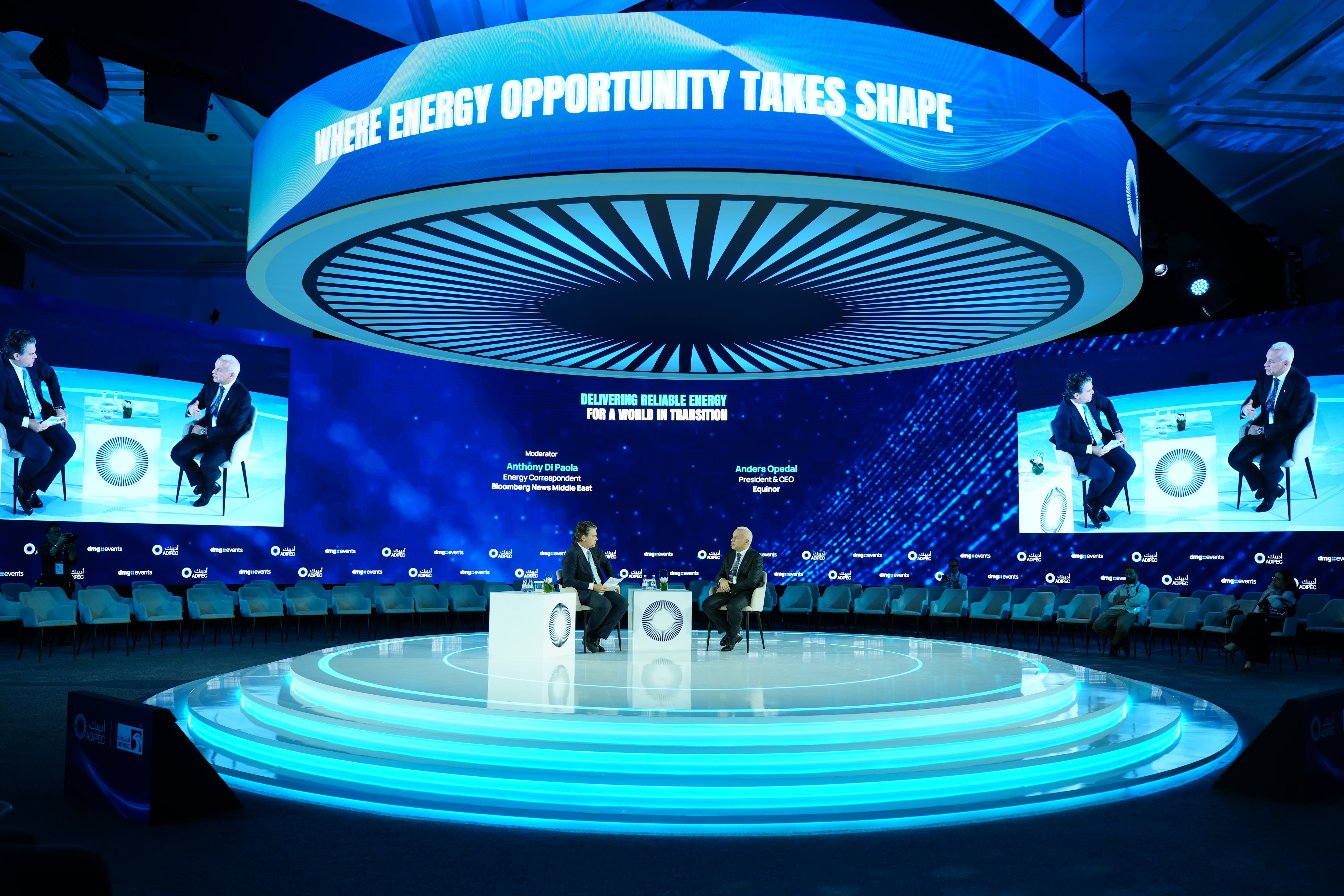
During the opening of ADIPEC 2026, HE Dr Sultan Al Jaber, UAE Minister of Industry and Advanced Technology and ADNOC Managing Director and Group CEO, emphasized how rapidly market conditions can change, citing the rapid depletion of nearly one billion barrels of crude oil from global inventories due to disruptions in the Strait of Hormuz.
He argued that the key to navigating crises lies in the speed of insight and decision-making, alongside the development of smarter, more resilient energy systems capable of adapting to changing conditions. The focus of the energy industry is shifting from merely producing more energy to building systems that can execute under pressure.
ADIPEC 2026, which convenes over 239,000 participants, including companies, governments, investors, and innovators, addresses this question. This year, the event features new strategic conferences focusing on grid infrastructure and industrial execution, as well as workforce development and digital skills in the energy sector. The conferences also cover energy security, policy, efficiency, and clean power technologies.
Global energy demand grew by 1.3% in 2025, with electricity demand increasing by 3%, according to the International Energy Agency (IEA). These needs are expected to surge in the future due to population growth, rising demand from various sectors, and the increasing influence of AI and digital infrastructure. With a projected global population of 9.6 billion by 2050, emerging economies are projected to consume 25% more energy than today.
Industry accounts for 37% of global energy consumption, and AI-driven digital infrastructure is adding to the demand. Data centres, for example, are projected to consume twice as much electricity by 2030, although newer facilities may generate power onsite. To meet this demand, the sector must invest in expanding production, diversifying energy sources, enhancing infrastructure, improving efficiency, and reducing emissions while maintaining affordability and accessibility.
Written by urgent.news from The National Business's reporting — not their text. Machine-written — may contain errors; check the original before relying on it.
Also reported by 1 other outlet
- Energy’s next challenge isn’t supply. It’s delivery thenationalnews.com