Elon Musk’s millions failed to deliver Republican wins in fierce midterms
Elon Musk spent almost $450m (£334m), more than anyone has ever spent in an election cycle, to back Republican political candidates in the US midterm races. It was not enough to keep Democrats from a resounding victory.
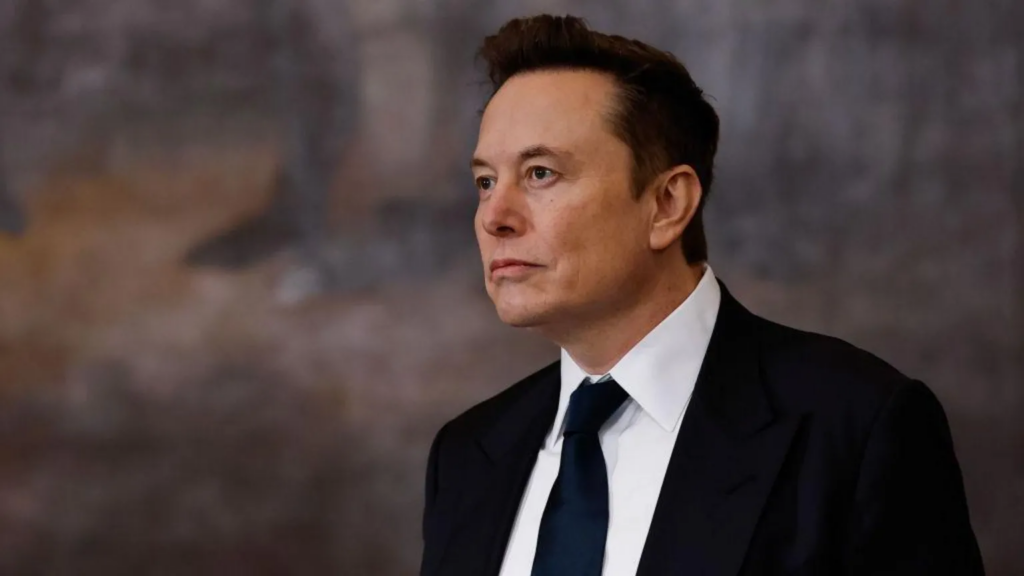
Elon Musk invested a staggering $450 million (£334 million) in Republican political candidates during the recent US midterm elections, falling short of securing Republican victories despite the massive outlay. This significant financial commitment did not materialize into the Republican wins Musk had hoped for. The stark contrast was evident in the election results, with Democrats emerging victorious in numerous races.
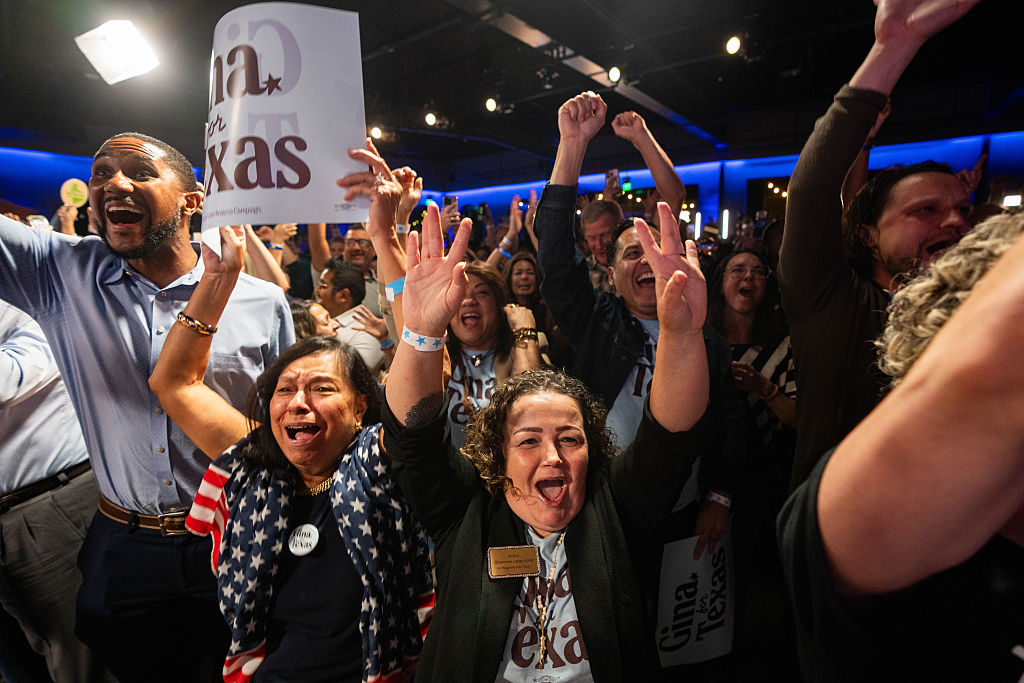
For instance, Democrat James Talarico managed to defeat Republican Ken Paxton for a crucial US Senate seat in Texas, a race Musk had heavily backed, spending at least $45 million on Paxton's campaign. Musk's financial backing extended beyond Texas, encompassing other key battleground states like Arizona, Michigan, Wisconsin, and Minnesota.
Despite pouring millions into these races, Musk seemed to concede defeat by midweek, joking on social media that his "election-interfering space lasers didn't work." The loss of Republican seats in these elections carries substantial implications for Musk and his businesses. With Trump's re-election and his administration's increased spending on SpaceX, SpaceX has garnered an estimated $10 billion in new government contracts.
However, the growing role of SpaceX in government and national security could attract regulatory scrutiny, particularly as data centers, which are integral to Musk's ventures, face new challenges. Many Democratic lawmakers have advocated for investigating SpaceX's extensive presence in government and security sectors. In Georgia, where SpaceX maintains data center operations, the newly elected Democratic governor campaigned on curbing the rapid proliferation of these data centers and their associated tax breaks.
Similarly, numerous state measures to limit data center development were approved, indicating a broader trend of increased regulatory pressure on these tech infrastructure facilities. Musk has been outspoken about his reservations regarding the potential regulatory challenges posed by Democrats in power, including the possibility of his proposed space-based data centers becoming a focal point for investigation.
While Musk's political spending drew considerable attention, it was predominantly focused on Texas, a state where both Tesla and SpaceX have significant operations. Musk's increasing political engagement in recent years has been centered around Texas, despite the companies' origins in California. Musk has expressed strong disapproval of certain Democratic policies, such as the potential expansion of immigrants, the conversion of Washington DC and Puerto Rico into states, and an increased number of Supreme Court justices.
Despite his political refrains, Musk's personal stance on issues like AI regulation remains uncertain, with his recent posts on X hinting at a potential shift toward support for AI-related technological advancements. The political landscape following the midterm elections remains uncertain, with investors cautiously assessing the potential impact of increased regulatory measures on tech companies.
Written by urgent.news from MyJoyOnline Ghana's reporting — not their text. Machine-written — may contain errors; check the original before relying on it.