Does opting out of TV tracking work?
The fact our TVs are gathering our information isn't new, but what and how they're tracking - and if we can stop it - is hard to figure out. Researchers at Northeastern University monitored 12 TVs from 10 manufacturers to test whether opting out of automatic content recognition (ACR) actually works. While opting out was […]
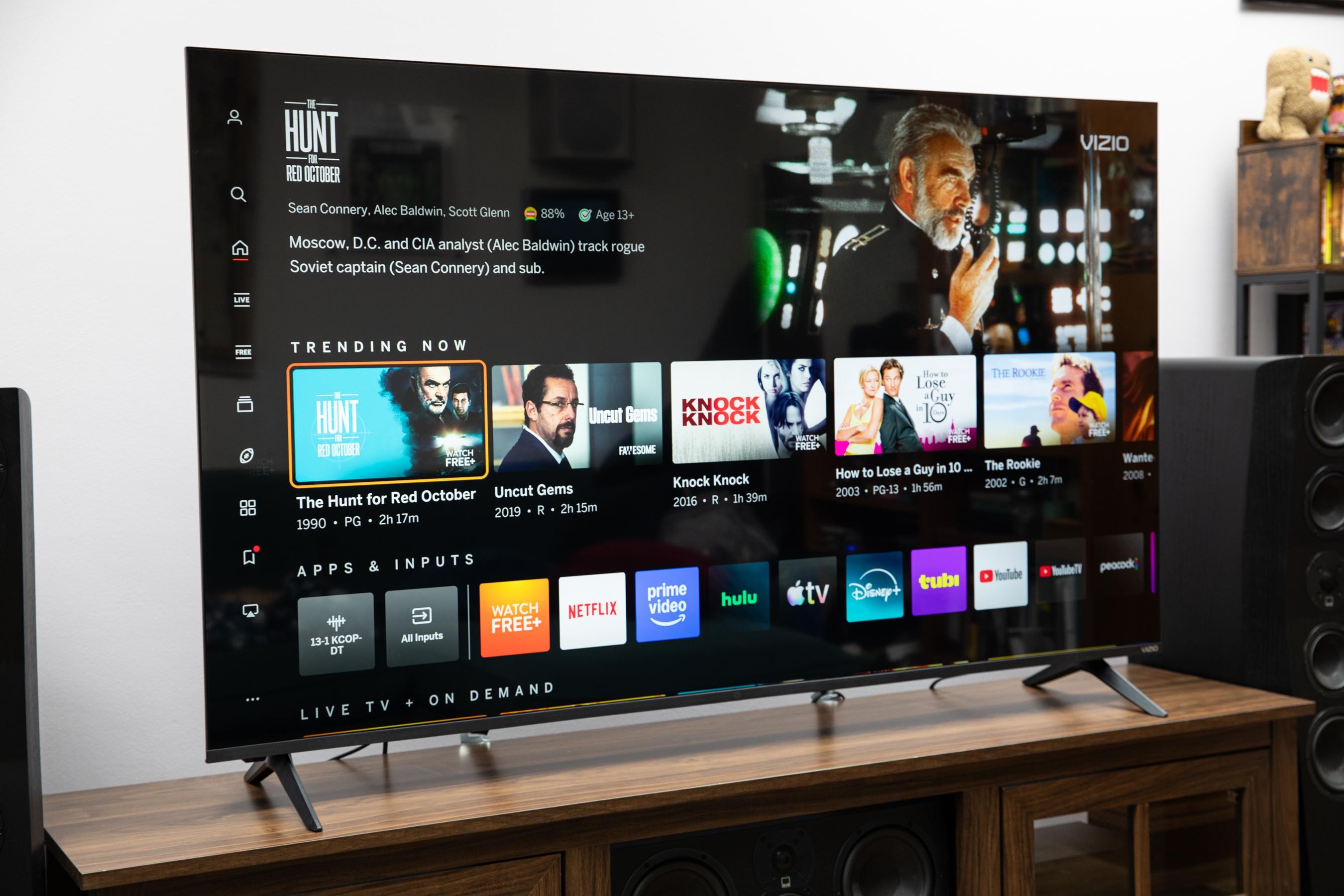
The study conducted by researchers at Northeastern University examined whether opting out of automatic content recognition (ACR) on televisions is effective. ACR systems analyze audio or video content on a TV, convert it into digital fingerprints, and send this information to a database to identify what is being watched. This data is then used for personalized recommendations, viewing metrics, and targeted advertisements.
The researchers monitored 12 televisions from 10 different manufacturers, including Samsung, LG, Amazon Fire TV, Sony, Vizio, Roku, TCL, Sony, Hisense, and others. Their findings revealed that opting out of ACR worked for most TVs, such as those with LG, Amazon Fire TV, Sony Bravia running Google TV, and those with Vidaa OS. However, Samsung and Roku continued to send some data, even after users opted out. Walmart's Vizio TV, despite its opt-out feature, did not stop sending data.
ACR works by sampling the audio or video playing on a TV and converting it into digital fingerprints, which are then sent to a database to identify the content. The researchers observed that all TVs scan over-the-air transmissions, while only Google and Amazon use ACR for first-party streaming services. For third-party apps like Netflix and YouTube, ACR is only active on webOS, and disappears when opting out.
The study found that Tizen, webOS, Vidaa, and Sony Google TV use either audio or video fingerprinting, while Fire TV OS, Roku OS, and Vizio OS use a combination of both. Ideally, opting out of ACR should halt all data transmission to ACR endpoints, but this was not always the case. Samsung's Tizen OS activity decreased but did not stop completely, and ACR still applied to the Roku Channel app on two Roku OS TVs.
The researchers noted that there was no difference in ACR traffic based on the content source or input method, such as HDMI or over-the-air antenna. However, opting out does not change ACR-correlated traffic on the Vizio TV, and Walmart did not respond to inquiries about the issue. Overall, the researchers concluded that while opting out of ACR is generally effective, there are some exceptions that warrant further investigation.
Written by urgent.news from The Verge's reporting — not their text. Machine-written — may contain errors; check the original before relying on it.