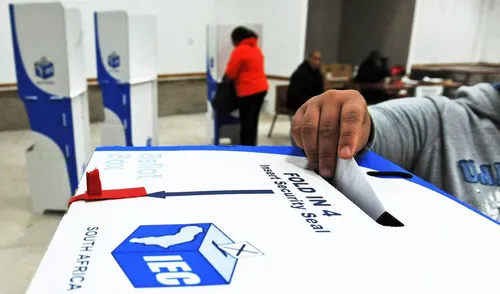
Democrats retake House as Senate likely swings their way in US midterms
WASHINGTON (Kyodo) -- Democrats have retaken control of the House of Representatives in Tuesday's midterm elections, according to projections by major
On Tuesday, U.S. midterm elections resulted in Democrats regaining control of the House of Representatives, according to projections from major media outlets, with the Senate also likely to swing their way. The Republican party suffered a significant setback, with voter dissatisfaction over inflation, gas prices, and the ongoing U.S.-Iran conflict playing a role.
Media exit polls and partial vote counts indicated that Democrats secured a majority in the House and were also projected to regain control of the Senate, needing an additional four seats to achieve a majority. Democrats had previously won an unexpected victory in a Republican-held Senate seat in South Carolina. The Republican party maintained a slim majority in the House and a 53-47 majority in the Senate before the election.
All 435 House seats and 35 of the Senate's 100 seats were up for grabs. Election night saw over 60 million voters participate, with over 40% of them being registered Democrats, a notable increase from the 2022 midterm elections. Traditionally, the party in power tends to lose seats in midterms, which occur roughly two years into a president's four-year term.
President Donald Trump's approval ratings had plummeted to record or near-record lows in the weeks leading up to the elections, with inflation and living costs being the primary concerns for voters. A Democratic takeover of the House would make it more challenging for Trump's party to pass legislation and could lead to increased congressional oversight of administration policies and officials.
If Democrats also win the Senate, the administration would face difficulties in confirming judicial and executive branch nominees. The Democratic majority in the House could prompt impeachment proceedings against Trump, who has been impeached twice during his first term, both of which were acquitted by the Senate. Some observers believe a Republican downfall might prompt Trump, who is ineligible for re-election, to focus more on foreign policy, an area where presidents have considerable influence.
In the final weeks of the campaign, President Trump campaigned across the U.S., including in traditionally Republican states like Kansas, Mississippi, and South Carolina, urging his supporters to vote. Concerns among certain segments of Trump's base, such as frustrated farmers in the Midwest over rising fuel prices, and Hispanic voters over the administration's immigration policies, contributed to the Democratic surge.
Written by urgent.news from The Mainichi's reporting — not their text. Machine-written — may contain errors; check the original before relying on it.