Data centers were some of the biggest losers in last night's US midterm elections
Voters across the country opted for nearly every local ballot measure that would curb the rate of data center expansion.
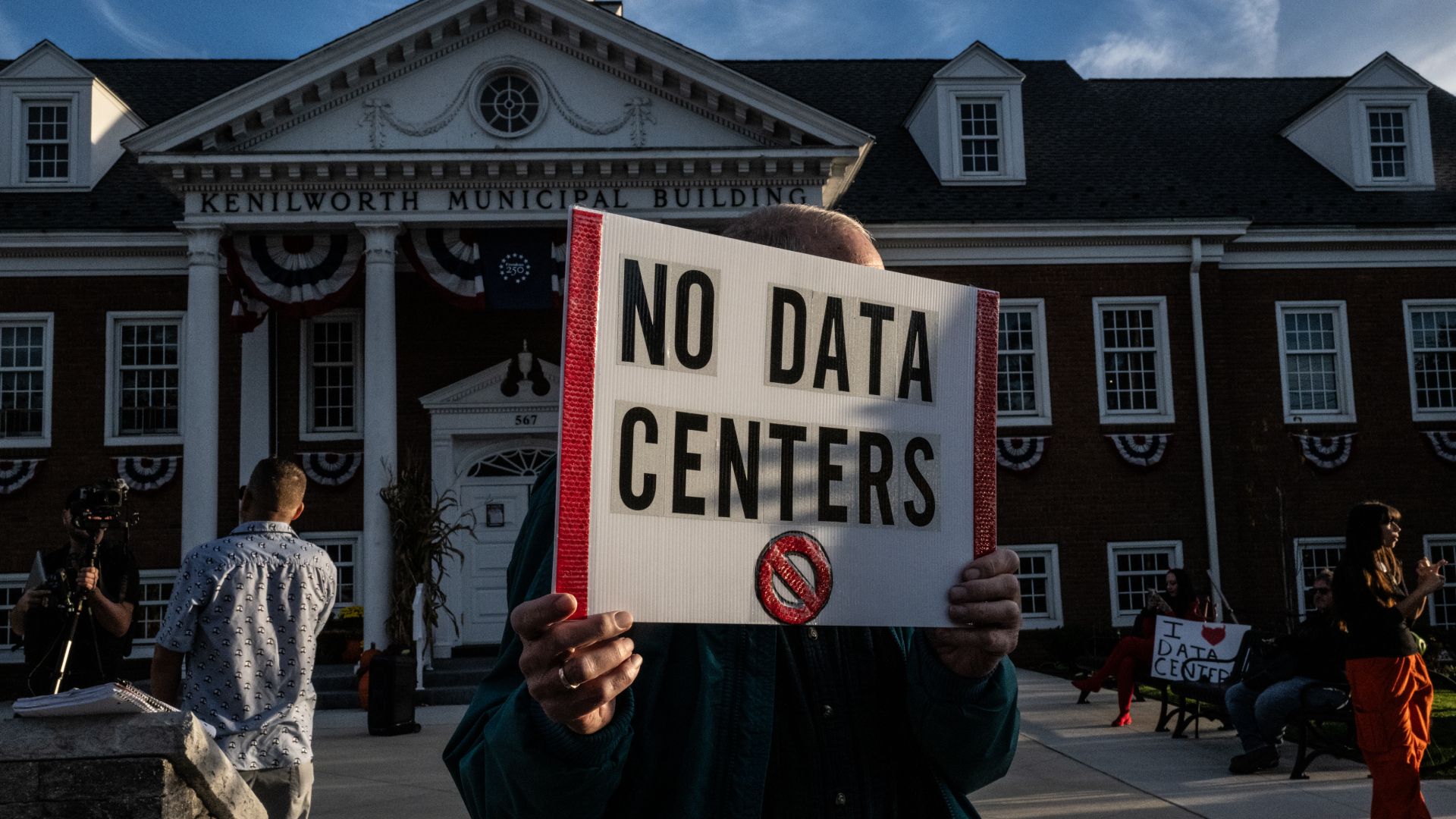
The United States experienced a major political shift in the recent midterm elections, with Democrats gaining significant ground in both federal and state races, signaling a potential rejection of the Republican party's traditional strongholds. However, this election also delivered a surprising result for another key area of voter concern: data centers.
Across the 47 local elections featuring ballot measures on data center construction, voters overwhelmingly supported measures to restrict, slow down, or halt new data center developments. In 38 out of 39 races that had completed counts, voters favored restrictions on data center expansion. In the seven races still pending, supporters of data center restrictions were leading in all cases, with no results reported for two races.
The most notable restrictions included megawatt caps, rezoning measures, outright bans, and requirements for voter approval before construction could proceed. These measures were driven by concerns over the environmental impact, energy costs, noise pollution, and rising costs associated with data center construction. Only one ballot measure failed, in Harwood, North Dakota, where voters rejected an amendment that would have required an independent review before approving new data center construction.
This nationwide rejection of data center expansion highlights a growing public sentiment against the rapid growth of these facilities, reflecting the broader political realignment seen in the midterm elections.
Written by urgent.news from PC Gamer's reporting — not their text. Machine-written — may contain errors; check the original before relying on it.