CRACKS IN THE EDIFICE: The night the Maga fever broke and the moral arc bent back towards justice
From Mississippi to Texas, voters rejected Trump’s racial politics, immigration crackdown and billionaire-backed Republicans, reshaping the American political landscape ahead of the 2028 presidential election.
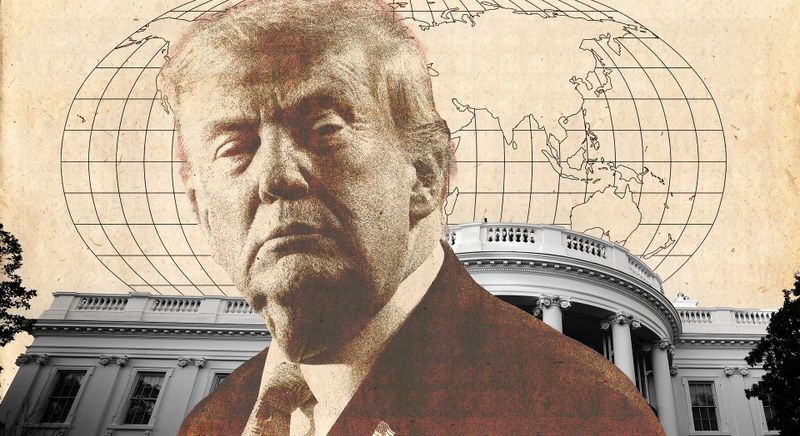
Tuesday night marked a significant turning point in American politics, as voters across the nation rejected Donald Trump's racial politics, immigration crackdown, and billionaire-backed Republicans. The thrashing of Trump's Republicans, dubbed by some as a "Blue Tsunami," signaled a shift in the political landscape ahead of the 2028 presidential election.
One of the most surprising results came from Mississippi, where Democratic candidate Scott Colom narrowly defeated Republican opponent Cindy Hyde-Smith by just 43 votes. Colom, a Black district attorney, capitalized on his historical resonance and the voters' rejection of the Trump administration's actions against Medgar Evers, a civil rights icon.
Hyde-Smith, on the other hand, lost in part due to her association with the Trump administration's efforts to delete Evers' name from the Arlington National Cemetery's web page honoring Black veterans.
The election results also brought attention to the resurgence of bigotry, hatred, and cruelty under Trump's leadership. However, the victory of Abdul El-Sayed over Islamophobia and Aipac money, as well as Ilhan Omar's re-election in Minnesota, demonstrated a new America rising. In New Mexico, Deb Haaland made history by becoming the second Native American woman elected governor of any state. A record number of women are now set to serve in Congress and in statewide executive offices.
The Democratic Party's focus on diversity and rights-based policies played a crucial role in this shift. Jon Ossoff, a Jewish senator re-elected in Georgia, emerged as one of the most impressive candidates for the 2028 presidential field. Patrick Gaspard, former US ambassador to South Africa, emphasized the election as a rights-based surge, a democracy surge, and a rejection of corruption within the party.
The Supreme Court's decision to gut the Voting Rights Act of 1965 had a significant impact on the election outcome, enabling states to gerrymander majority-Black districts and suppress the Black vote. This decision was a stark reminder of the ongoing struggle against disenfranchisement and a testament to the determination of Black voters to overcome these obstacles.
For Black Americans, Tuesday's election was about more than just political representation. It was about fighting to recover their voice and ensuring their voices are heard in public life. The Trump administration's attempts to erase Black history, such as removing Medgar Evers' name from the Arlington National Cemetery and shelving plans to put Harriet Tubman on the $20 bill, were met with resistance on Election Day.
The refugee program was also suspended, while a special pathway was created for white Afrikaner "refugees," highlighting the administration's discriminatory policies.
In summary, Tuesday's election results marked a significant moment in American politics, as voters rejected Trump's divisive policies and embraced a new wave of diversity, rights-based policies, and inclusivity. With the arc of history continuing to bend towards justice, the future of American democracy appears to be on a more equitable path.
Written by urgent.news from Daily Maverick's reporting — not their text. Machine-written — may contain errors; check the original before relying on it.