California’s billionaire tax is a referendum on the tech industry
Many Americans are focused on social media’s impacts on children, anxiety over AI, and the political backlash toward data centers
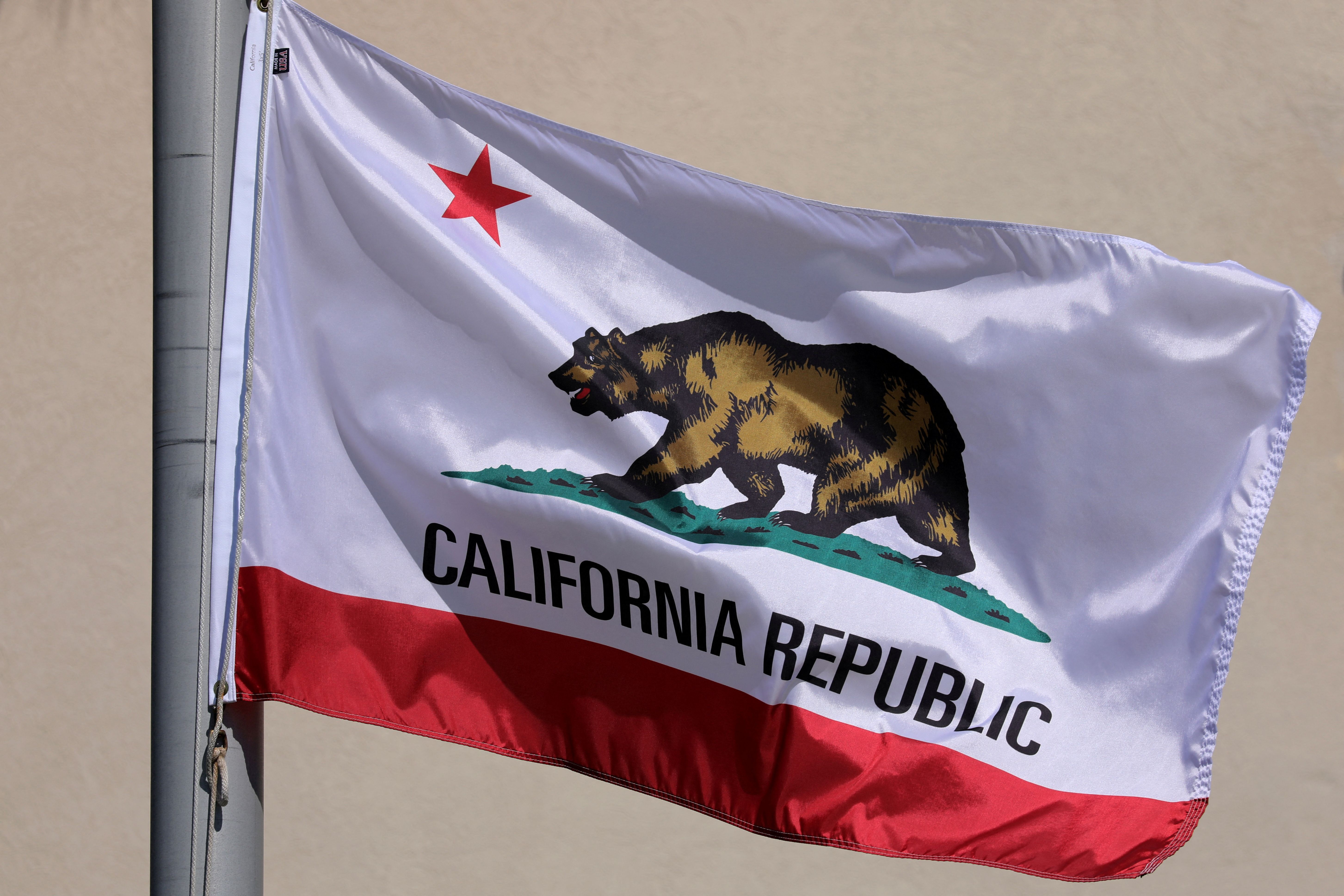
Reed's perspective suggests that California's billionaire tax, currently in the voting process, may be more than a crusade against wealth; it's also a referendum on the state's pioneering tech industry. Over the years, technology has been a driving force in the American economy, fostering competition, driving growth, and attracting top talent from around the globe.
California, in particular, has shone brightly, even surpassing Japan to become the world's fourth-largest economy. However, the issue isn't just about the gadgets we use daily, like smartphones and GPS systems. Many Americans are now concerned about the social media's effects on children, the potential risks of artificial intelligence, and the political backlash against data centers. This election season, the backlash has even managed to turn Texas blue.
This growing discontent among Californians about a significant wealth transfer to billionaires behind the IPOs of companies like Anthropic, OpenAI, and SpaceX raises the question: why isn't the rest of the state sharing in the benefits of the AI boom? While a wealth tax on California's billionaires may feel good to many, catharsis doesn't directly improve people's lives.
Moreover, slowing down technological progress isn't the solution either. The only way forward, according to Reed, is to ensure that a larger segment of Americans benefits from the substantial wealth gains anticipated in the coming decades. If the majority of Americans don't partake in the upside, the negative consequences will be felt by all.
As evidenced on Tuesday, an unhappy populace can pose a significant hurdle for tech's ambitious plans.
Written by urgent.news from Semafor's reporting — not their text. Machine-written — may contain errors; check the original before relying on it.