As data centre power share heads for 21pc, Putrajaya moves to avoid ‘phantom demand’ hogging Malaysia’s grid
KUALA LUMPUR, Nov 4 — Data centre operators seeking grid connection in Peninsular Malaysia must now submit 10-year...
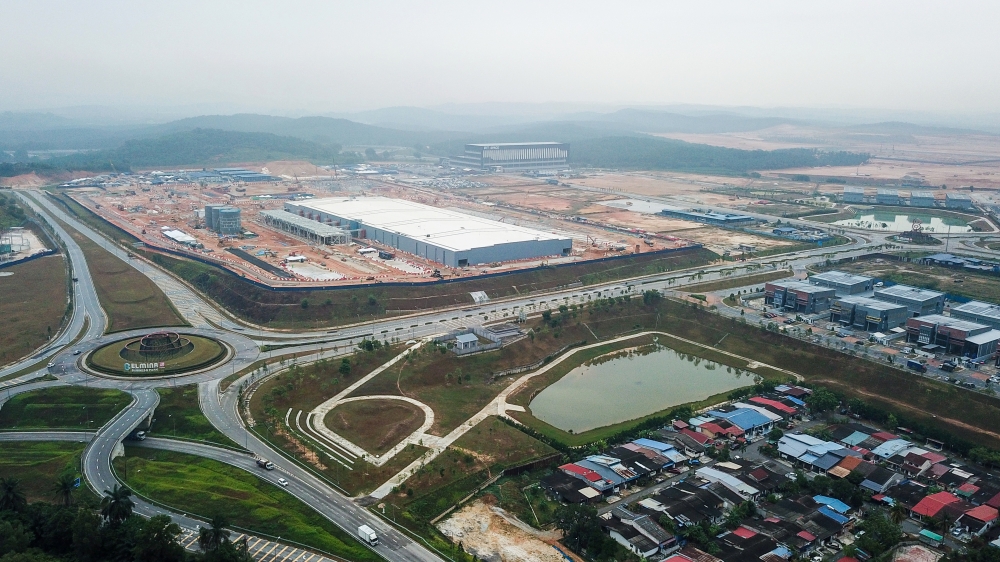
Malaysia's federal government is taking steps to prevent data centre operators from hoarding power capacity and overloading the national grid. In a written parliamentary reply, the Ministry of Energy Transition and Water Transformation detailed new regulatory conditions for data centre operators seeking grid access in Peninsular Malaysia.
Under the new framework, operators must submit 10-year staggered energy projection plans and sign binding commercial agreements with Tenaga Nasional Berhad (TNB) before being granted access to the grid. The government aims to eliminate what it calls "phantom demand" - artificial capacity bookings that inflate reserve commitments without corresponding operational consumption.
Official data shows a significant gap between the contracted grid capacity for data centres and the actual power being consumed. As of August 2026, there were 2,346 megawatts (MW) of contracted data centre capacity, but only 1,374 MW was being utilized by active facilities, representing just 58.6% of contracted volumes. This leaves nearly 970 MW of generation capacity on paper but not in practice.
The clampdown on speculative power usage comes as data centre operators project their electricity consumption will triple from 7% of peninsular demand in 2026 to 21% by 2030. The ministry assured that this expansion has been factored into the Peninsular Generation Development Plan, with projected stable regional reserve margins between 25-27% through 2035 via phased renewable additions, new thermal capacity, and extending the operational life of current power plants.
To prevent data centres from competing with domestic consumers for grid space, the government is encouraging operators to use green power through the Corporate Renewable Energy Supply Scheme (CRESS), which allows direct procurement from independent green power producers. Operators developing large-scale data centre campuses are also being prompted to install on-site power generation, such as micro gas turbines and rooftop solar panels, to reduce strain on the national baseload.
While the Energy Commission and the Ministry of Investment, Trade and Industry's Data Centre Task Force continue monitoring load growth, the ministerial reply does not outline specific penalties for operators whose projected energy usage does not match real-world consumption, nor does it establish mechanisms to recover and reallocate stranded capacity to other industrial users.
Written by urgent.news from Malay Mail's reporting — not their text. Machine-written — may contain errors; check the original before relying on it.