As data centre power share heads for 21pc, Putrajaya moves to avoid ‘phantom demand’ hogging Malaysia’s grid
KUALA LUMPUR, Nov 4 — Data centre operators seeking grid connection in Peninsular Malaysia must now submit 10-year...
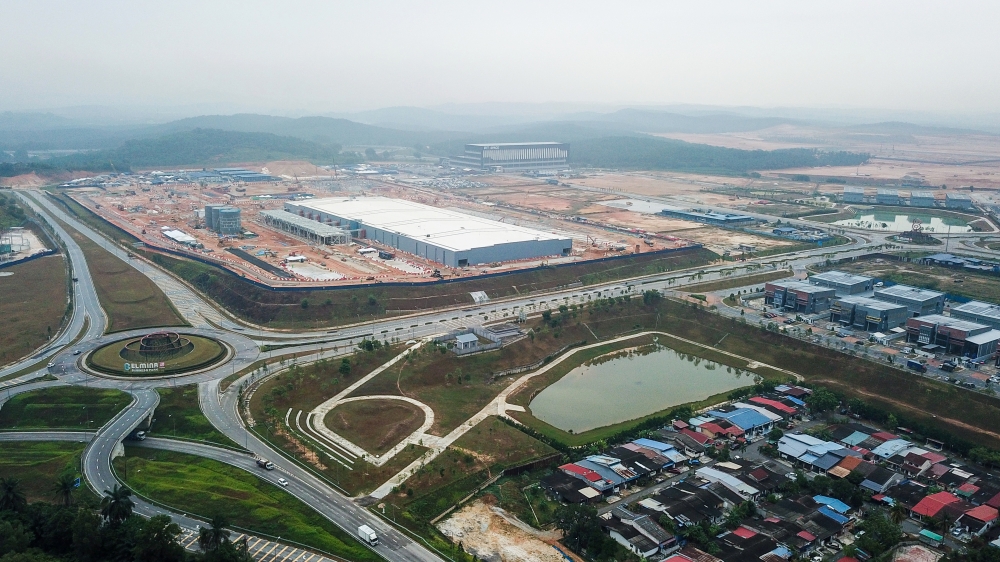
KUALA LUMPUR, November 4 — The Malaysian government is introducing stricter regulations to curb speculative data centre developers from hoarding power capacity and overloading the national grid. Under new requirements, operators seeking grid connections must submit 10-year energy projections and sign binding contracts with Tenaga Nasional Berhad.
Grid access approvals will be granted in phases based on strict technical evaluations and localized transmission capacity. The government aims to eliminate "phantom demand," or artificial capacity bookings that inflate reserve commitments without resulting in actual usage. As of August 2026, data centres had contracted to use 2,346 megawatts (MW) of grid capacity, but only 1,374 MW was being utilized, leaving nearly 970 MW of unused capacity.
Data centre consumption is projected to rise from 7% of peninsular demand in 2026 to 21% by 2030. The government assures that this growth is accounted for in the regional power development plan, with reserve margins expected to remain stable through 2035. To prevent data centres from monopolizing the grid, operators are encouraged to use renewable energy through the Corporate Renewable Energy Supply Scheme.
While the government has not specified penalties for operators whose actual consumption deviates from projected levels, the new regulations aim to ensure that only genuine demand is granted access to the national grid.
Written by urgent.news from Malay Mail's reporting — not their text. Machine-written — may contain errors; check the original before relying on it.