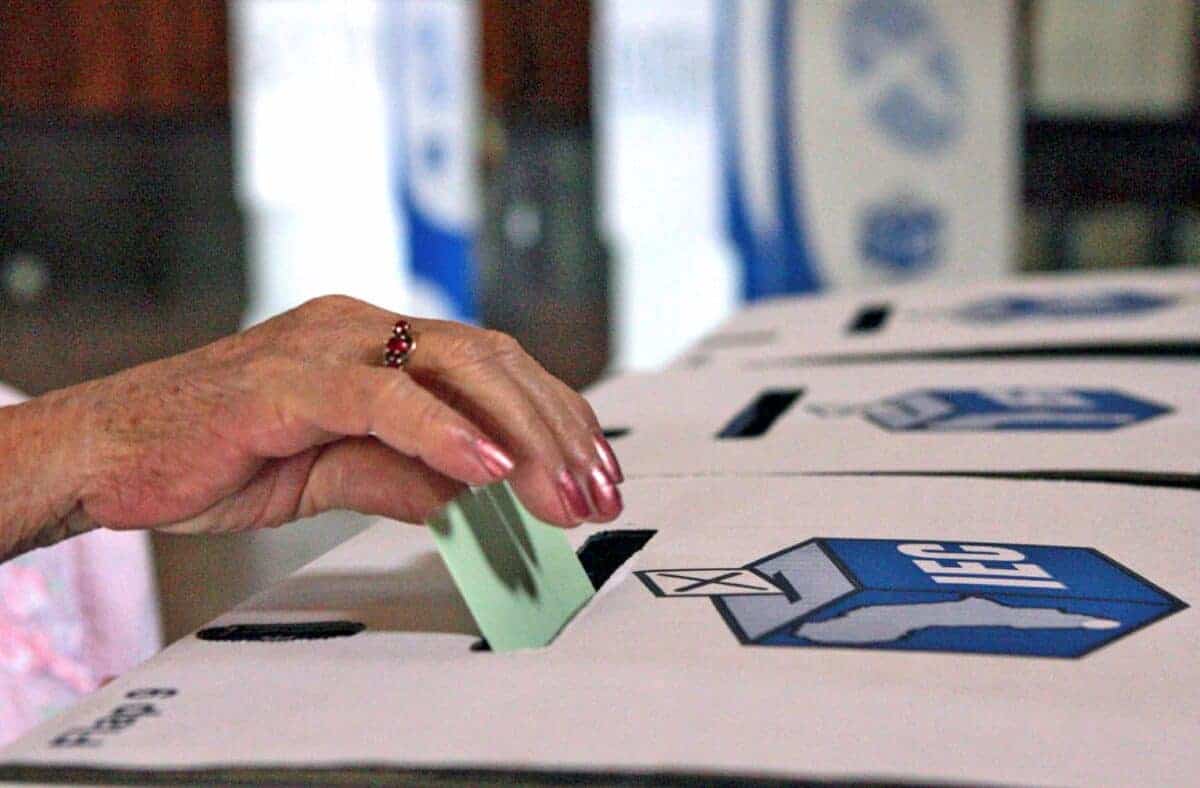
ANC faces anger over poor services as South Africans vote in local elections
Party expected to get less than a third of the vote amid frustration over water outages and power cuts The African National Congress is on course for a bruising result in South Africa’s local elections on Wednesday as voters go to the polls amid deep discontent over water outages, power cuts and crumbling infrastructure. The former liberation movement, which Nelson Mandela led to power in 1994 at…
South Africans commenced voting on Wednesday in local elections, seen as a gauge of the once-powerful African National Congress (ANC) party's standing. The ANC, which once steered the nation away from white minority rule, has witnessed a gradual erosion of support over the past decade. The elections will determine leadership for South Africa's eight primary city municipalities, 44 district councils, and 205 local councils.
A critical battleground is Johannesburg, South Africa's economic powerhouse and largest city. Known colloquially as Africa's wealthiest metropolis, the city grapples with recurrent issues like water and electricity shortages, fueling widespread dissatisfaction with local government performance. The city has undergone five mayoral changes in the last four years, currently governed by a fragile ANC-led coalition, but is a prime target for South Africa's second-largest party, the Democratic Alliance (DA).
The DA has nominated Helen Zille, its former national leader, for the Johannesburg mayoral position. Zille has employed various publicity stunts to expose local government failings, including snorkeling in a flooded trench and rowing an inflatable boat through a pond formed by a water leak in Johannesburg, home to approximately 5 million residents. Voters do not elect mayors directly; they choose council members who then appoint the mayors.
In the 2021 local elections, the ANC secured less than 50% of the vote for the first time since the end of apartheid in 1994. The ANC lost its 30-year parliamentary majority in the national elections of 2024, forming a national coalition with the DA and other parties, while retaining Cyril Ramaphosa as their president. Despite their shared power in the national government, the parties remain bitter rivals in local elections, with Zille's push for the Johannesburg mayorship testing the DA's ability to carve out support from traditional ANC strongholds.
The MK Party, led by former South African President Jacob Zuma, also contested these local elections for the first time. Zuma resigned as president due to corruption allegations in 2018 and was expelled from the ANC in 2024 for founding his new party. The MK Party achieved a surprising surge in the 2024 national elections, becoming the third-largest party in Parliament and enjoying strong support in Zuma's home province of KwaZulu-Natal.
Public dissatisfaction with inadequate public services, particularly water supply, crime rates, unemployment, and the national debate on immigration, has emerged as key election issues across the country, home to 62 million people. Opposition to undocumented migration has gained traction among various political factions and has been a focal point in local election campaigns.
Written by urgent.news from ABC News (US)'s reporting — not their text. Machine-written — may contain errors; check the original before relying on it.
This story
This is one outlet's version. Read the fullest account.
- South Africa votes today as IEC declares readiness for polls citizen.co.za
- South Africans vote in local elections that could continue decline of ANC abcnews.com
- South Africa votes today: What you need to know about the 2026 local elections iol.co.za
- Sardine fishing in South Africa on hold after mass mortality linked to virus mg.co.za