Windows 11 is now ‘up to 40 percent faster’ on PCs with 8GB of RAM
Microsoft has been doing a lot of work to improve memory usage and increase performance on Windows 11 PCs over the past year. Last month the company revealed Windows 11 is now "more responsive" and runs better on PCs with 8GB of RAM, and now the company is releasing a new update today that includes […]
A recent Windows 11 update is enhancing memory usage and overall performance, as announced by Microsoft. The tech giant has been actively working on memory optimization and performance enhancement for Windows 11 PCs over the past year. In a recent announcement, Microsoft revealed that the operating system now operates more smoothly on devices equipped with 8GB of RAM.
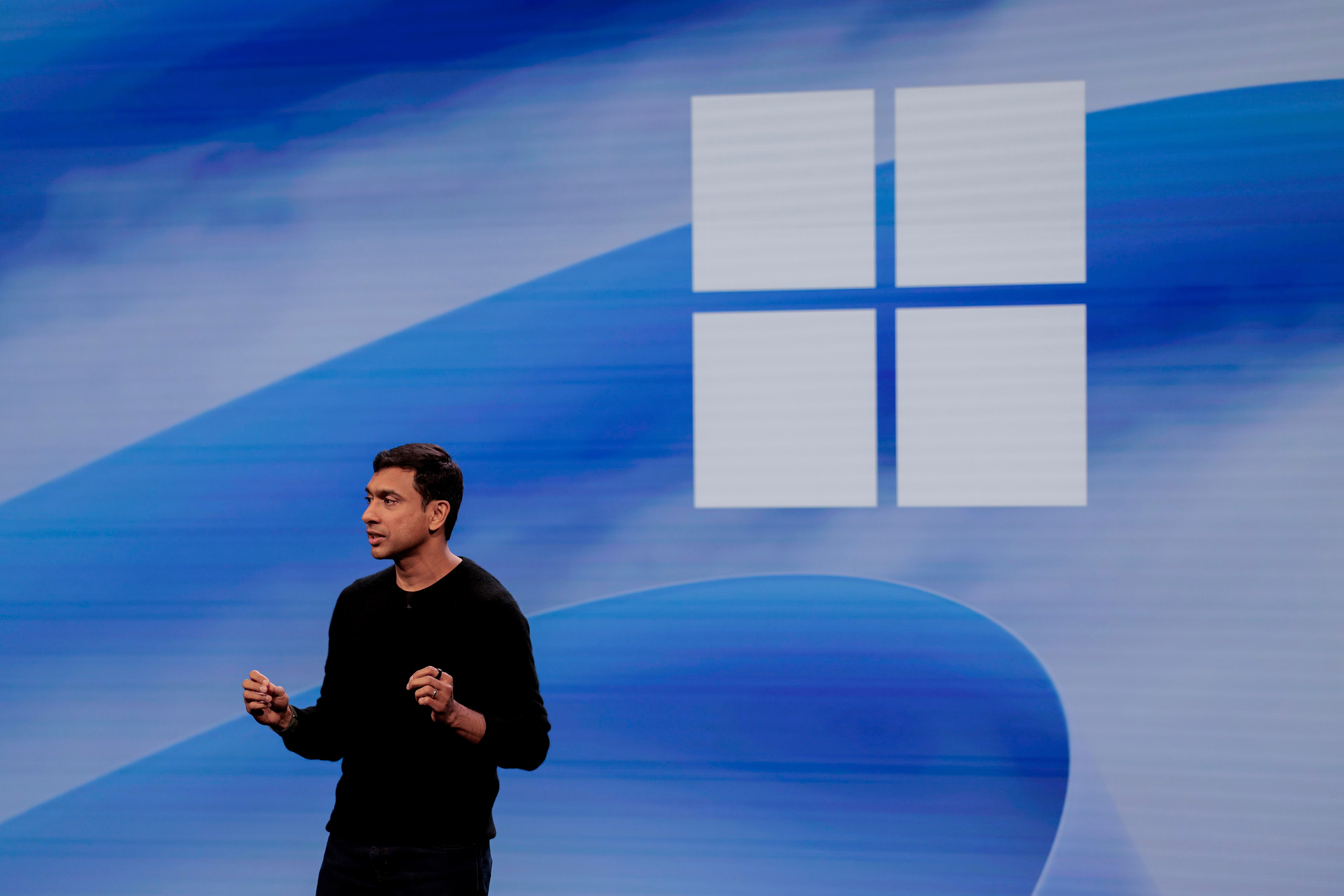
Windows 11 is now up to 20 percent more responsive, and multitasking has seen a boost of up to 40 percent faster in lab tests, according to Windows chief Pavan Davuluri. One of the primary methods Microsoft has employed to achieve this improved performance is through data compression. This compression allows Windows to reserve up to 2 GB of active data in memory, preventing it from being stored on slower storage.
Consequently, applications and tabs that were previously necessary to reload will now load more quickly when accessed.
Microsoft is also optimizing memory usage across various Windows components, including Edge and Microsoft 365 apps. These enhancements are reducing "committed-memory growth by up to 900 MB." Specifically, memory improvements within popular applications like Word, PowerPoint, Excel, and Outlook contribute to a savings of 360MB of RAM.
Furthermore, Windows 11 will now defer loading widgets on PCs with 8GB of RAM until the user accesses the widgets panel, saving around 200MB of RAM. In addition, inactive tabs in Edge will enter a "sleep mode" after 15 minutes, further conserving memory.
While the update is now available, Microsoft continues to refine its memory optimization efforts over the coming months. The company expects memory compression to become "smarter and more efficient," and Windows features and applications will share more common resources, such as widgets and search sharing a single web engine. Moreover, Microsoft is collaborating with PC manufacturers and chipmakers to optimize memory reservations for hardware, enabling more resources to be allocated to Windows.
Written by urgent.news from The Verge's reporting — not their text. Machine-written — may contain errors; check the original before relying on it.
This story
This is one outlet's version. Read the fullest account.