Why your reusable everyday essentials need more than a quick rinse
Dubai: Reusable products have become part of everyday life, whether it is carrying a water bottle to work, taking a coffee cup to a cafe, or using cloth bags for grocery shopping. While these habits help reduce reliance on single-use plastics, they also come with a responsibility of keeping these items clean between uses. Unlike disposable products, reusable bottles, food containers, straws, and…
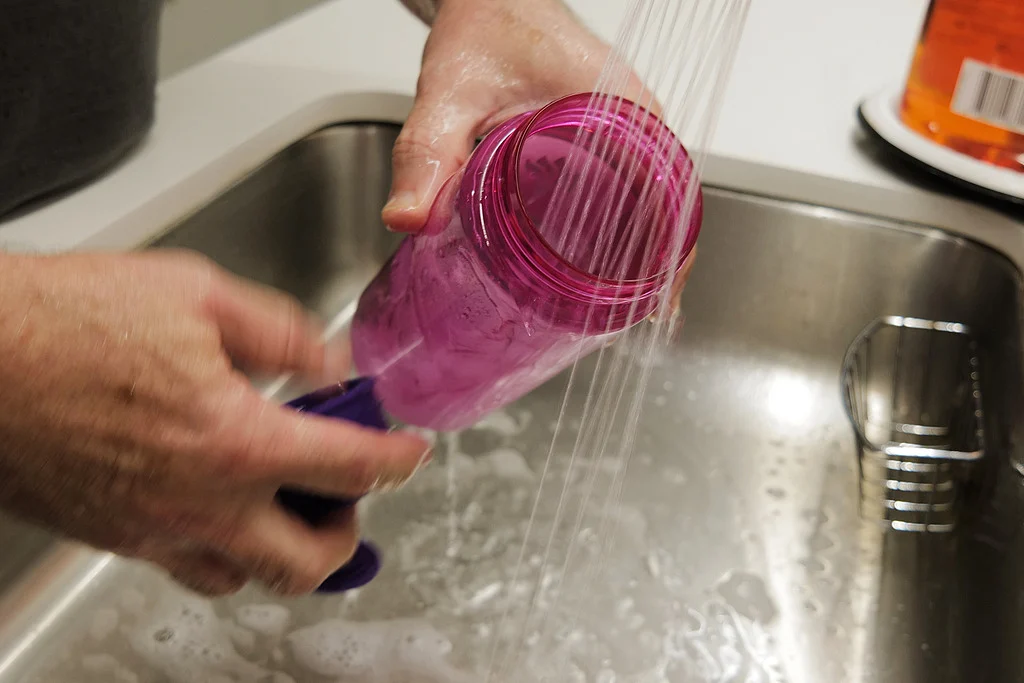
Dubai: Reusable products have become a common sight in daily life, with people using items like water bottles, coffee cups, cloth bags, and food containers. However, while these habits help cut down on single-use plastics, they also require proper cleaning to maintain hygiene. Doctors warn that many people neglect this aspect, leading to the accumulation of food residue, moisture, and microorganisms, especially around hard-to-reach areas.
Dr. Enna Sondhi, an internal medicine specialist, explains that even water bottles need daily washing, as poor cleaning can lead to germs building up and causing food poisoning. She advises against topping up bottles without washing them first. Coffee cups, food containers, and reusable straws should also be cleaned after each use to prevent the spread of bacteria.
When it comes to shopping bags, Dr. Sondhi stresses the importance of regular cleaning and immediate washing after food spills. It's also crucial to keep raw and ready-to-eat foods in separate bags to avoid cross-contamination. When buying reusable items, she recommends selecting durable, food-grade materials that are easy to clean and disassemble. Damaged or mouldy items should be replaced promptly.
Dr. Malaz Yabrodi, another internal medicine specialist, points out that many people overlook cleaning certain parts of reusable products, such as mouthpieces, caps, seals, and narrow openings where moisture and residue can accumulate. These areas can harbor bacteria and mould, which may transfer to food and drinks during subsequent use. She advises against leaving damp items unwashed for extended periods, as this can encourage germ growth.
Preventing cross-contamination is a key concern, according to Dr. Rohit Jacob, an internal medicine specialist. Poorly maintained reusable products can lead to the transfer of microorganisms from hands, raw food, or contaminated surfaces to items that come into contact with food and drinks, potentially causing gastrointestinal infections. He emphasizes that the storage environment is just as important as the cleaning routine, as it can affect the overall hygiene of reusable items.
Experts agree that sustainability and hygiene can coexist. The key is to incorporate cleaning into daily routines rather than treating it as an occasional chore. By making cleaning a regular part of their habits, people can prevent contamination and keep their reusable products safe for use.
Written by urgent.news from Gulf News's reporting — not their text. Machine-written — may contain errors; check the original before relying on it.