Why does Betelgeuse keep fading? The mystery of Orion's giant star
From stellar pulsations to giant dust clouds and a mysterious companion, astronomers are piecing together why Betelguese keeps changing brightness.
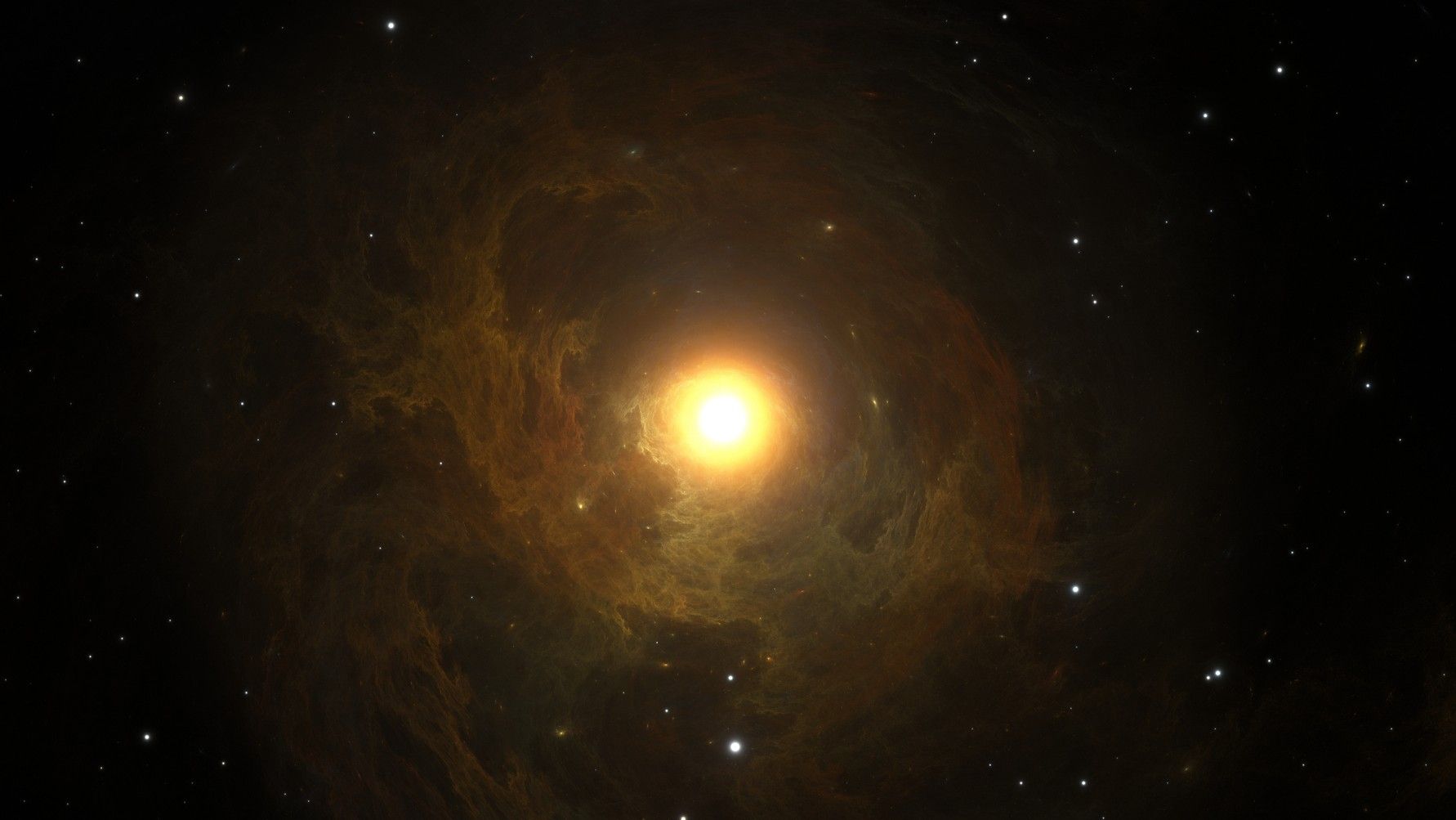
Betelgeuse, a prominent red supergiant in the constellation Orion, has recently been experiencing significant fluctuations in brightness. This enigmatic star, which is one of the largest and most luminous stars in its class, has a well-documented pulsation cycle of approximately 430 days. As it expands, its outer layers cool and it dims, while contracting causes the layers to heat up and it brightens.
However, Betelgeuse also exhibits a longer dimming cycle of about 2,100 days, which has puzzled astronomers for over a century. In a breakthrough, researchers using the European Southern Observatory's Very Large Telescope and NASA's Hubble Space Telescope discovered a faint companion star, named Siwarha, orbiting Betelgeuse every six years.
This companion's gravitational influence creates a dense wake of gas and dust, which can disrupt stellar winds and mass loss, potentially explaining the dimming observed. Comparing Betelgeuse's brightness to that of Aldebaran, another nearby orange star, highlights the star's variability and the impact of its companion on its appearance.
Written by urgent.news from Space.com's reporting — not their text. Machine-written — may contain errors; check the original before relying on it.