What’s At Stake For Colombia at the 2026 US Midterm Elections
Colombia does not appear on any physical ballot in the U.S. midterm elections, yet for the past three months, President Abelardo de la Espriella has built his foreign policy apparatus around a single high-stakes bet: That Republican control of Washington is permanent enough to organize a sovereign government around. The historical relationship between Bogota and […]
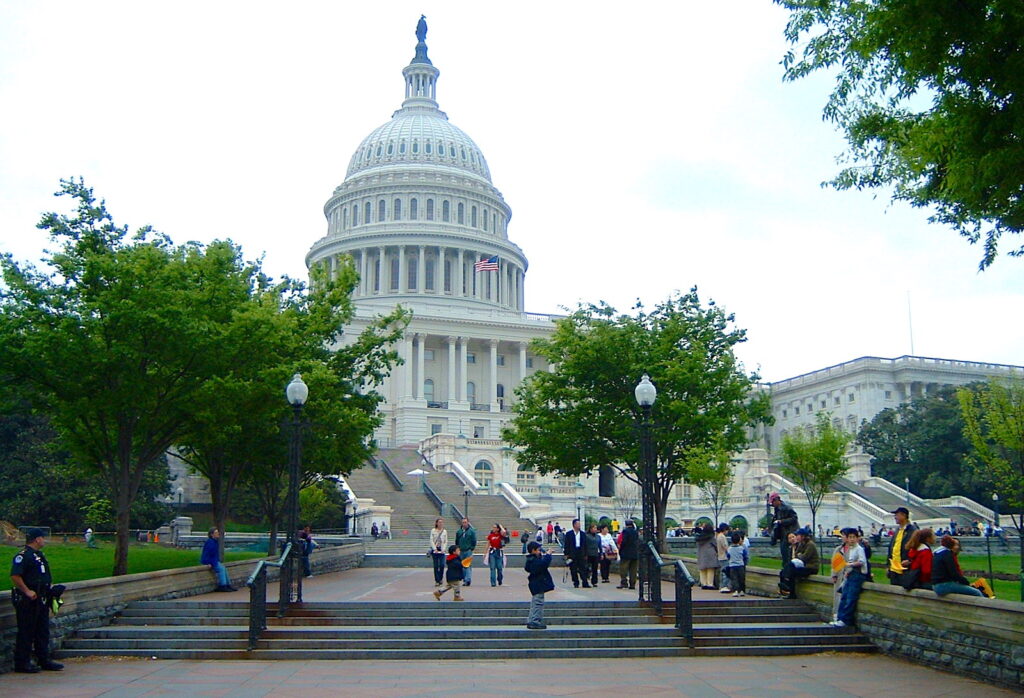
Colombia is not featured on any physical ballot in the upcoming U.S. midterm elections, but President Abelardo de la Espirilla has been positioning his foreign policy around the potential for a permanent Republican majority in Washington. This strategic bet stems from the fact that the historical relationship between Bogota and Washington has largely been based on a bipartisan consensus.
However, de la Espirilla has recently shifted his support to Republican candidates in Florida and taken a confrontational stance against the Democratic caucus, effectively linking Colombia's strategic position to a single American political party.
The most immediate concern for Colombia, should Democrats gain control of the House, Senate, or both, is the potential for financial pressures. De la Espirilla's security agenda heavily relies on the resumption of aerial glyphosate fumigation, an expanded U.S. military presence, and integration into the White House's "Shield of the Americas" initiative.
Democrats have argued that forced eradication and militarization do not lead to lasting reductions in illicit crops without parallel rural investment and stronger judicial institutions. Therefore, they could freeze or cut military and police assistance allocations or condition disbursements on human rights indicators and alternative development benchmarks.
Furthermore, the Foreign Affairs Committee, under a Democratic chair, could increase oversight, hold public hearings, and utilize subpoena power. Key Democrats have already expressed concerns about reviving aerial spraying, a strategy Colombia's courts have temporarily blocked. Additionally, a Democratic House majority could leverage the United States Trade Representative (USTR) to activate oversight committees responsible for the treaty's labor and environmental chapters.
Should Colombia take actions such as large-scale glyphosate spraying, it could open the door to formal arbitration proceedings and potentially suspend tariff preferences.
Despite these potential challenges, Colombia still holds two strategic cards. First, the Darien Gap, a major U.S. national security priority, remains important for maintaining regional migration management. Secondly, Colombia has a long-standing history of extradition, which creates a foundation of institutional cooperation with the U.S. Department of Justice. Regardless of party control in Congress, Colombia can leverage these assets to negotiate more favorable terms with the U.S.
Written by urgent.news from Colombia One's reporting — not their text. Machine-written — may contain errors; check the original before relying on it.