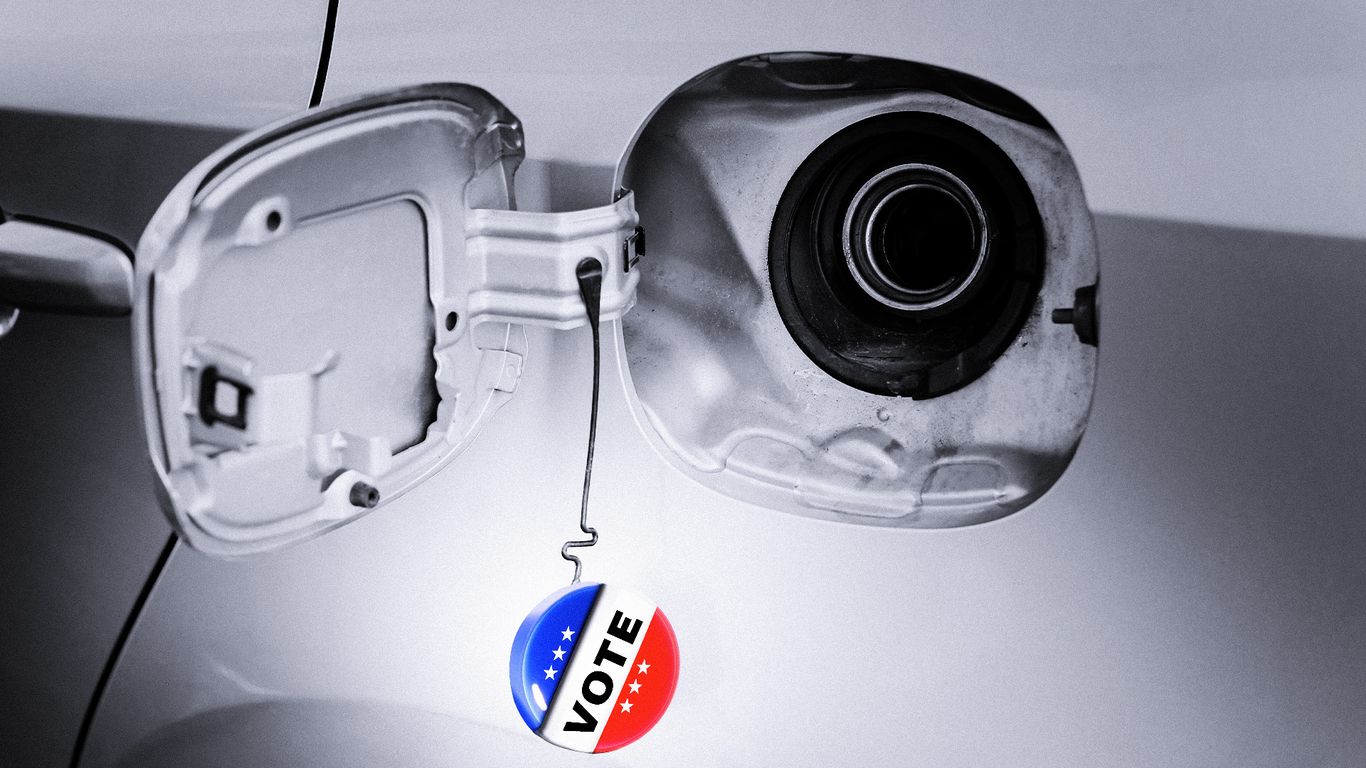
What we're watching on election night for energy
There's a lot at stake for energy in the midterms, from the fate of the bipartisan permitting deal to the growing backlash against data centers and electricity prices. Why it matters: The results could spotlight which energy topics resonate with voters — and which have become political liabilities. Gasoline and diesel prices have been big on the campaign trail, offering a chance to see how much…
There is significant political significance surrounding the upcoming midterms for the energy sector. The fate of the bipartisan permitting deal, as well as growing concerns over data centers and rising electricity prices, could be highlighted by the election results. Gasoline and diesel prices have been a focal point in the campaign trail, offering insight into the extent of voter frustration over energy costs.
Data center politics present a contrast between parties, with 32.4% of Democratic candidates supporting moratoriums at various levels compared to only 3.4% of Republicans, according to Data Center Watch. Ballotpedia is tracking numerous ballot measures on data centers, many of which would impose additional restrictions, notably in Ohio.
The outcome of the midterms will impact the politics of the lame-duck session and the bipartisan permitting deal, with potential negotiations postponed until the next administration. If Democrats secure both chambers, it might delay the renegotiation of compromises. However, proponents of the current bill believe that it is impractical to expect a more liberal bill to be signed by either President Trump or passed by the Senate.
The results could shed light on which energy topics resonate with voters and which have become politically disadvantageous. Should the elections be extremely close, post-election disputes could further complicate the passage of any legislation. Political analysts anticipate that the performance of progressive vs. centrist Democrats will offer clues about the direction of energy and climate policy.
In Pennsylvania, Governor Josh Shapiro's (D) victory might bolster more centrist, pro-oil and gas candidates in the 2028 presidential cycle. The next Congress is expected to lack opportunities for extensive new energy legislation if permitting fails. Democrats leading either chamber will likely undertake aggressive investigations into White House energy policies and investments, as indicated by Senate Democratic leader Chuck Schumer (N.Y.)'s pledge to reintroduce clean energy tax credits.
Energy-related races include several gubernatorial contests. In Georgia, the control of the Public Service Commission could shift from Republican to Democratic hands for the first time in decades if two Democratic candidates win. The performance of incumbent Texas Governor Greg Abbott (R) in his tight race against Gina Hinojosa will be closely monitored.
Written by urgent.news from Axios's reporting — not their text. Machine-written — may contain errors; check the original before relying on it.