What Russia and Ukraine Really Want From America’s Midterms
It seems obvious who Russia and Ukraine are pulling for at the midterms. But is it really that simple?
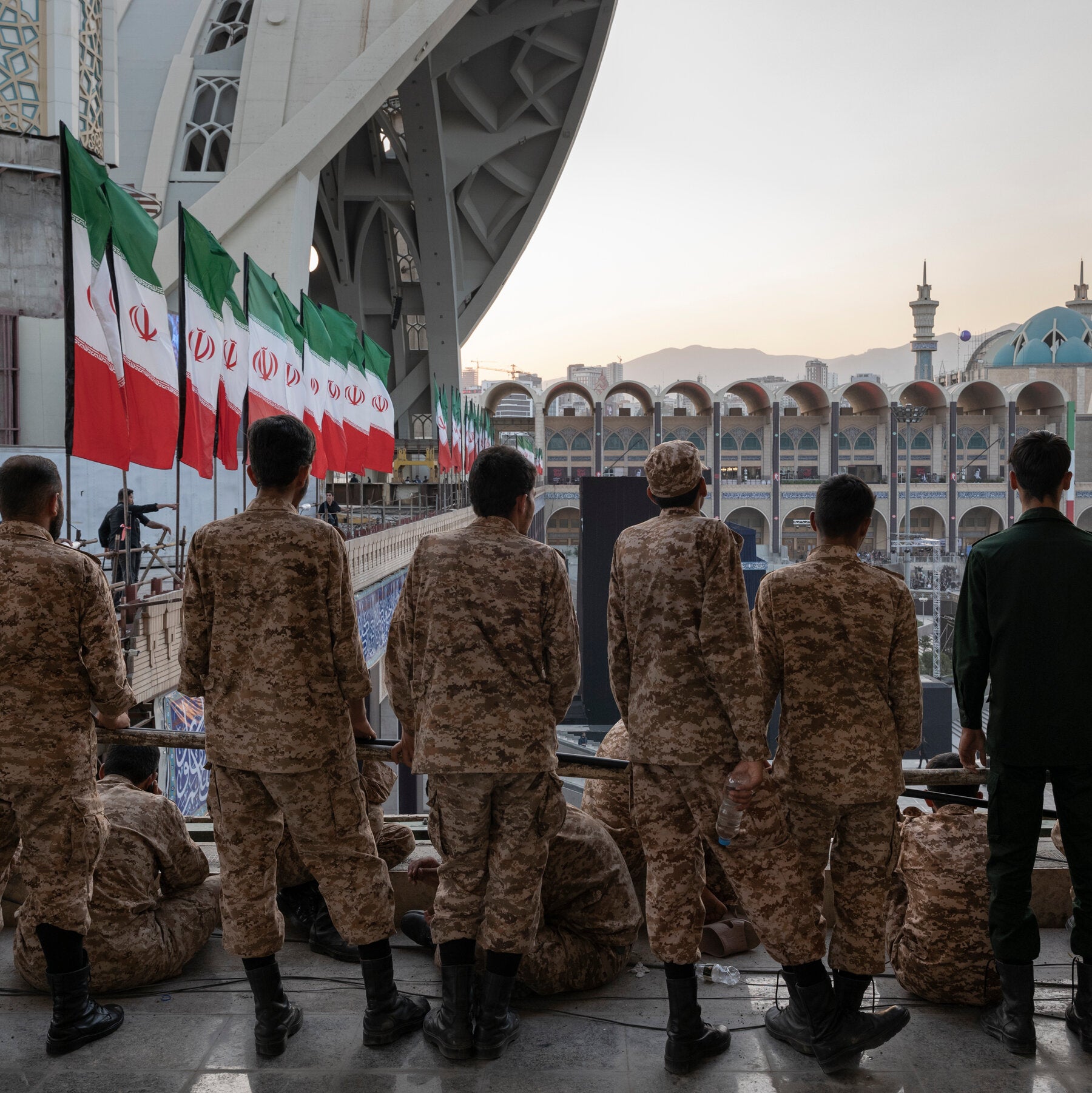
As America prepares for the upcoming midterm elections, it appears that both Russia and Ukraine have their sights set on who will emerge victorious. President Donald Trump's willingness to engage in negotiations with Vladimir Putin has opened up opportunities for sanctions relief and closer economic ties for Moscow. In contrast, President Volodymyr Zelensky of Ukraine has observed the administration easing pressure on Russia while simultaneously limiting support for Ukraine.
However, the relationship between the leaders of these nations and the outcome of the midterms may not be as straightforward as it initially seems.
When examining the perspectives of those in power within Russia and Ukraine, the clear divide between the two countries and their stances on American politics appears to blur. As delegations from Russia, Ukraine, and the United States prepare for peace negotiations in Abu Dhabi and a potential meeting at the White House, the motivations of Moscow and Kyiv for the midterms become clearer.
Moscow appears to view Republican control of Congress as advantageous, particularly in light of President Trump's demonstrated ability to negotiate and secure sanctions relief. Alexander Shokhin, head of Russia's Union of Industrialists and Entrepreneurs, stated that a Republican-controlled Congress would make it easier for Trump to implement sanctions relief, such as on the Russian Direct Investment Fund headed by Kirill Dmitriev.
Shokhin also expressed hope that Trump would lift sanctions on the fund if Republicans retained control of Congress.
Russian Foreign Ministry spokesperson Dmitri Peskov confirmed that Moscow was closely watching the election, but emphasized that whatever the result, Trump would remain president until the end of his term. This indicates that Putin's strategy has focused more on cultivating a direct relationship with Trump and trusted advisors, such as Steve Witkoff and Jared Kushner.
Putin has received these envoys and praised them for the high level of trust in their work, further emphasizing the significant role a Republican Congress may play in Moscow's diplomatic strategy.
On the other side, Ukraine's President Zelensky has been more cautious in framing the election's impact on the country's relationship with the United States. While acknowledging that bipartisan support is stronger, Zelensky has actively courted Republican representatives, including meeting with a bipartisan congressional delegation in Kyiv on October 9. He also requested greater air-defense support and expressed gratitude for the bipartisan backing of Ukraine from lawmakers from both parties.
The United States' bipartisan support for Ukraine, regardless of the midterms' outcome, appears to be crucial for Kyiv's diplomatic efforts. Ukrainian diplomats are focusing on maintaining support for Ukraine, rather than being concerned with the partisan makeup of Congress. Several key Republicans who may challenge President Trump's stance on Ukraine will be replaced in January, further emphasizing the importance of preserving bipartisan support for Ukraine moving forward.
Written by urgent.news from Newsweek's reporting — not their text. Machine-written — may contain errors; check the original before relying on it.