Voters head to polls to decide control of House and Senate
Tuesday on the News Hour, voters across the country head to the polls to decide control of the House and Senate in a midterm election widely seen as a referendum on President Trump and his administration. A look at the DOJ's efforts to change voter rolls and even block some results. Plus, as more Americans vote early, a new survey aims to better capture how and why they cast their ballots.
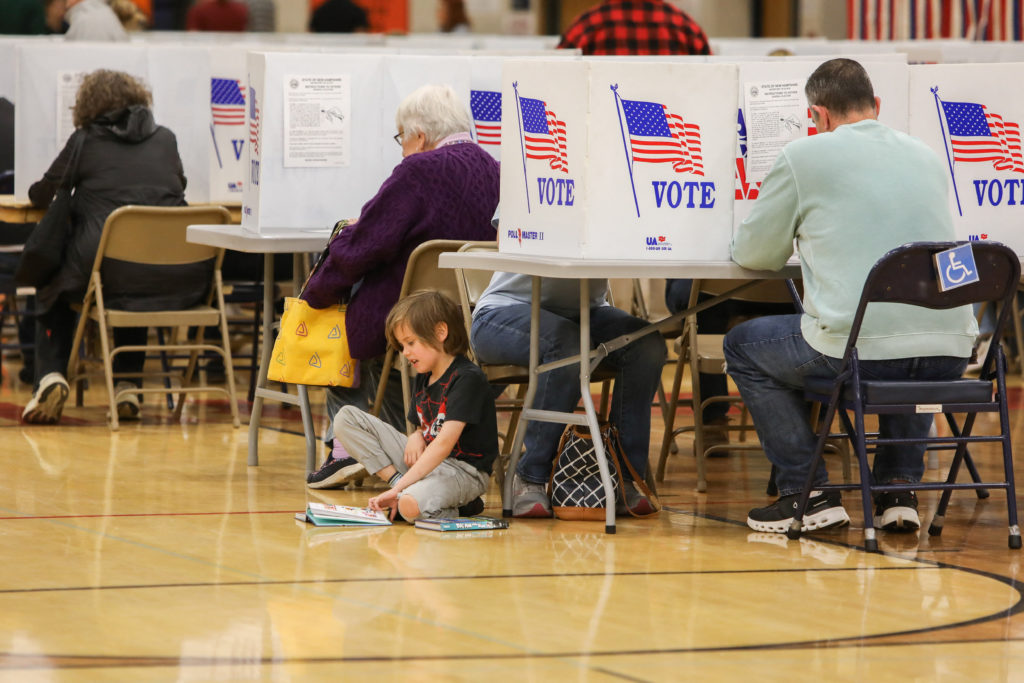
Polls in Senate elections across battleground states began closing, revealing that President Trump's job approval remains underwater in nearly all these key states. These states, which Trump won by significant margins in 2024, are now seeing a shift in voter concerns, with many citing worsening finances compared to previous years.
Party control of the Senate was a major factor for voters, according to majorities of those supporting both Republican and Democratic candidates. Democratic candidate Mary Peltola from Alaska expressed that the fraud accusations levied against her opponent, incumbent Sen. Dan S. Sullivan, may have re-engaged voters. She noted that Sullivan had repeatedly voted in support of the war in Iran.
Legal battles over the election have ensued, with Trump's administration filing a lawsuit to block certification of results if Sullivan receives fewer votes than Peltola. However, a federal judge dismissed this lawsuit on Sunday. Reports suggest a secret effort by Peltola's campaign operatives to recruit Sullivan's supporters, though Peltola has denied any involvement.
Despite the controversy, many voters in Alaska felt the ballot was clear, though opinions differed on the legitimacy of the dispute. Voters in Anchorage expressed mixed views on the matter, with some unhappy about the court involvement and others frustrated by political ads.
There are 11 Senate battleground states, with eight currently held by Republicans and three by Democrats. Georgia and New Hampshire are leaning Democratic, while Michigan remains a toss-up. For Republicans, South Carolina, Kansas, and Iowa are lean towards them, but Alaska, Maine, Ohio, Texas, and North Carolina present more competitive landscapes.
Democrats need to gain four seats to control the Senate. Historically, the party in the White House often faces losses in midterm elections, complicating what seemed to be a favorable map for Republicans. Democrats have targeted states like North Carolina, Ohio, Maine, Alaska, Kansas, Iowa, and Texas for potential gains, but face challenges in Michigan.
Control of the Senate has significant implications for the White House and its policy initiatives, especially as Trump prepares for his final two years in office.
Written by urgent.news from CBS News's reporting — not their text. Machine-written — may contain errors; check the original before relying on it.
This story
This is one outlet's version. Read the fullest account.
- Iran-US conflict: Senate body seeks key updates on diplomatic engagements brecorder.com
- Senate election updates as first polls begin to close cbsnews.com
- Democrats aim to retake Senate from Republicans as Americans go to polls theguardian.com
- What Democrats plan to prioritize if they retake the House npr.org
- Midterm elections 2026 live updates: First polls close as House, Senate control hang in balance cnbc.com