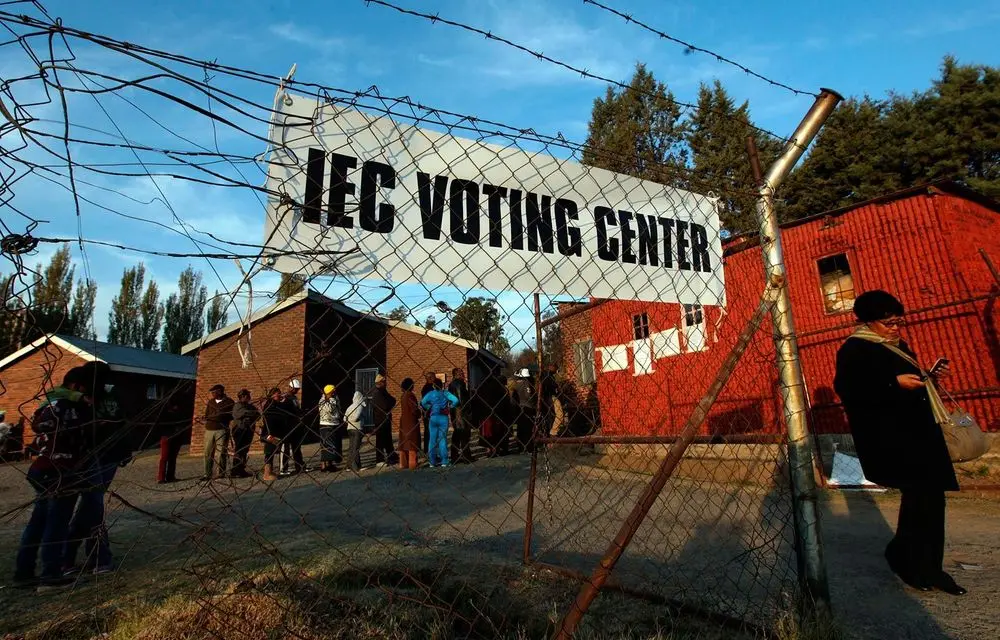
VIDEO: Service delivery failures and unemployment shape voter sentiment ahead of local elections
Growing frustration over poor service delivery, unemployment and unfulfilled political promises is emerging as a concern among some voters ahead of the November 4 Local Government Elections (LGE).
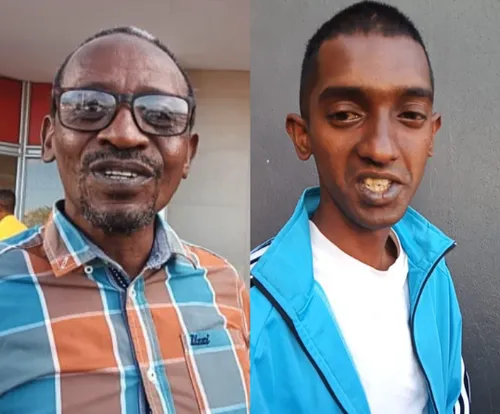
Poor service delivery is expected to be a key factor influencing voters in South Africa's upcoming 2026 Local Government Elections, as many communities continue to face challenges such as water shortages, electricity cuts, poor sanitation, deteriorating roads, and sewage pollution. Despite promises made by political parties and various municipal administrations over the past two decades, municipalities have struggled to deliver satisfactory services.
This ongoing struggle highlights weaknesses in the way municipalities are managed, including poor leadership, lack of accountability, politically motivated appointments, insufficient funds, and limited capacity to perform basic responsibilities. Councillors who fail to address residents' concerns and engage in unethical practices have further eroded municipalities' ability to provide effective services.
Residents are expressing their frustration through protests and threatening not to participate in the elections until their service delivery concerns are addressed. This growing dissatisfaction extends beyond basic services and reflects a sense of being ignored by elected representatives. The situation is exacerbated by wasteful spending, financial mismanagement, corruption in tenders, and the activities of criminal groups, commonly referred to as the 'water tanker mafia' and 'construction mafia'.
Weak enforcement against those responsible for wrongdoing has perpetuated these issues. The killing of local councillors adds to the challenges facing municipalities, raising concerns about safety, political tensions, and the overall ability of local government to function effectively. With the 2026 elections approaching, political parties will need to answer for their performance in municipalities and provide concrete plans for improvement.
Residents are likely to scrutinize election promises and question why long-standing problems remain unresolved. Professor Kealeboga Maphunye, an independent researcher, argues that South Africa requires a comprehensive overhaul of its municipal system rather than incremental changes. He emphasizes the need for strong leadership, accountability, resources, and commitment to address service delivery failures, corruption, and weak administration.
The question remains for residents: how much longer must they endure leaking pipes, dry taps, overflowing sewage, and damaged roads before their demands for tangible results are met? As voters prepare to make their choices in 2026, local government will likely face renewed scrutiny and demands for change.
Written by urgent.news from IOL's reporting — not their text. Machine-written — may contain errors; check the original before relying on it.
This story
This is one outlet's version. Read the fullest account.