Universities urged to equip youth with future skills, promote critical thinking
<p>Doha, Qatar: Universities must prepare young people not only for the changing demands of the labour market but also to think about the future, assume responsibility and contribute to building more peaceful and equitable societies, Chairperson of Unesco’s Executive Board and Permanent Representative of Qatar to Unesco, H E Dr. Nasser bin Hamad Al Hinzab, has said.</p> <p>Addressing the…
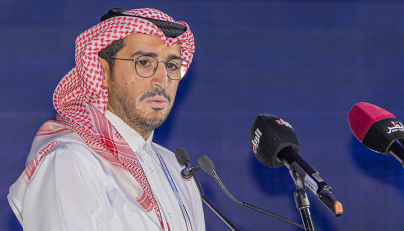
Doha, Qatar - Universities have a crucial role in preparing young people for the shifting demands of the job market and equipping them with the skills needed to foster more peaceful and equitable societies, according to H.E. Dr. Nasser bin Hamad Al Hinzab, Chairperson of UNESCO's Executive Board and Permanent Representative of Qatar to UNESCO.
Speaking at the fifth UNESCO Conference on Higher Education in the Arab States, Al Hinzab emphasized that universities must foster critical thinking, responsibility, and a commitment to building societies that value knowledge and cooperation.
Global higher education enrollment has reached 269 million students in 2024, but challenges persist in ensuring equal opportunities, enhancing quality, and providing young people with relevant qualifications. Al Hinzab called for sustained investment and shared responsibility among governments, institutions, and the private sector to bolster higher education systems, promote scientific research and innovation, and guarantee quality education.
Artificial intelligence is reshaping learning, research, and the workforce, raising questions about future jobs and the skills required. Universities must continually adapt their programs, uphold educational standards, and collaborate with various sectors to ensure graduates are prepared for the evolving job market. However, preparing students for employment is not the sole responsibility of higher education institutions.
They must also instill ethical responsibility, promote critical thinking, and cultivate generations capable of contributing to more cohesive and stable societies.
Technology, while a powerful tool, should serve humanity and support education, rather than replacing human thinking or dictating its direction. Protecting education from attacks is essential, as it is a fundamental human right. Al Hinzab stressed the need for greater efforts to safeguard students, teachers, and educational institutions during crises, ensuring the continuity of learning.
Written by urgent.news from The Peninsula Qatar's reporting — not their text. Machine-written — may contain errors; check the original before relying on it.