UK and EU agree draft deal to scrap Brexit red tape over food exports
The UK and EU have agreed a draft deal to remove post-Brexit checks on food and agricultural exports, ahead of the UK-EU summit later this month.
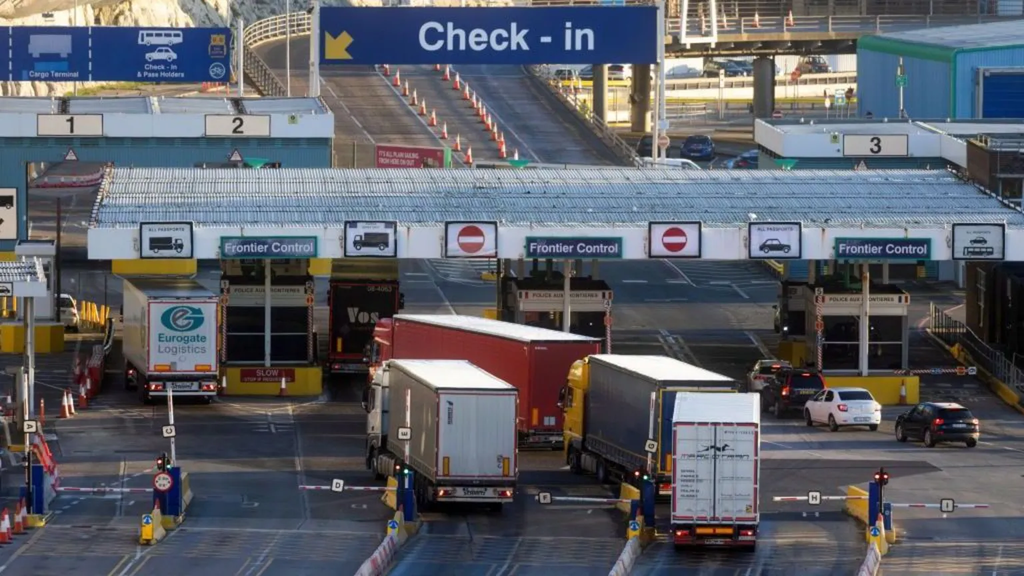
The United Kingdom and European Union have reached a draft agreement to eliminate post-Brexit checks on food and agricultural exports, in preparation for an upcoming summit. The 200-page draft, known as the SPS agreement, has been shared with EU nations for review during a meeting on Wednesday. Similar drafts for topics like emissions trading and a youth travel scheme have also been circulated, along with a 15-page joint statement for the UK and EU leaders.
This food deal stands as the most significant aspect of the "Brexit reset," intended to eliminate checks and regulations that have burdened exporters since the UK's exit from the EU's single market. The agreement aims to remove the requirement for £200 Export Health Certificates, £25 Phytosanitary certificates, and other inspection, organic, and port fees, potentially saving the UK economy £5.1 billion annually.
The UK will also resume exports of fresh sausages, burgers, shellfish, and seed potatoes, as well as allow pet passports for animals entering the EU. The UK will commit to observing and adapting to existing EU regulations on plant, animal, and food trade standards, a process called dynamic alignment. Some areas, such as precision breeding of plants, remain under divergence from EU rules.
The government plans to enact a European Partnerships Bill to facilitate the application of new EU rules and enable the UK's emissions trading scheme to align with the EU's, potentially bypassing the need for UK exporters to pay the new carbon border tax. The draft agreements are expected to be discussed at a meeting of EU ambassadors on Wednesday, with further details on the Youth Experience Scheme to be finalized in the coming days.
Additionally, the agreement may include references to UK involvement in defense cooperation schemes, access to law enforcement databases, and reassurances on the EU's Made in Europe plans. While the food trade plans have received support from supermarkets and farmers, some pro-Brexit advocates have criticized the reapplication of EU rules.
The British Chamber of Commerce has criticized the current trade relationship for failing to deliver, noting that businesses are struggling with Brexit red tape six years after the UK's exit from the EU. The BCC is urging the government to explore various relationship options, including a customs union, a single market relationship akin to Switzerland, and associate membership similar to Canada.
The BCC's director general emphasizes the need for the government to examine all options, maintain clarity on trade-offs, and involve businesses in decision-making.
Written by urgent.news from BBC Business's reporting — not their text. Machine-written — may contain errors; check the original before relying on it.