Transizione, le spinte internazionali aumentano ma l’Italia è indietro
«Vediamo spinte internazionali verso la transizione che si vanno rafforzando. Anche se in Europa lo sviluppo dell’eco-scetticismo rischia di mettere in discussione sia l’Ue come istituzione sia lo stesso modello...
The transition towards a greener economy is gaining international momentum, but Italy is currently lagging behind. According to Edo Ronchi, president of the Foundation for Sustainable Development, the challenges facing Italy include increasing emissions, low renewable energy development, high water consumption, and unresolved plastic waste issues.
Despite some positive trends in circular economy, Italy is falling short in meeting its targets. The country's greenhouse gas emissions increased last year, but are expected to decrease slightly this year. To achieve the Paris Agreement goals, Italy needs to reduce emissions by 14 million tonnes annually instead of the current 7 million tonnes.
The share of renewables in final energy consumption in 2024 was 19%, compared to the EU average of 25%. In transport, the share is only 10%, while the EU target is 34.2% by 2030. In electricity generation, renewables accounted for 47%, with the goal of reaching 70% by 2030. Italy installed 7.2 GW of new capacity last year, while Germany installed 23 GW and Spain installed 11 GW.
Italy needs to install 10 GW annually to meet its targets. The agricultural sector has seen a 5.4% decrease in organic farming since 2024, the first decline in 10 years. Water consumption is also a concern, as Italy uses more water than any other European country but has less availability per capita than the European average. Reuse of treated water is at 4%, with a potential of 23%.
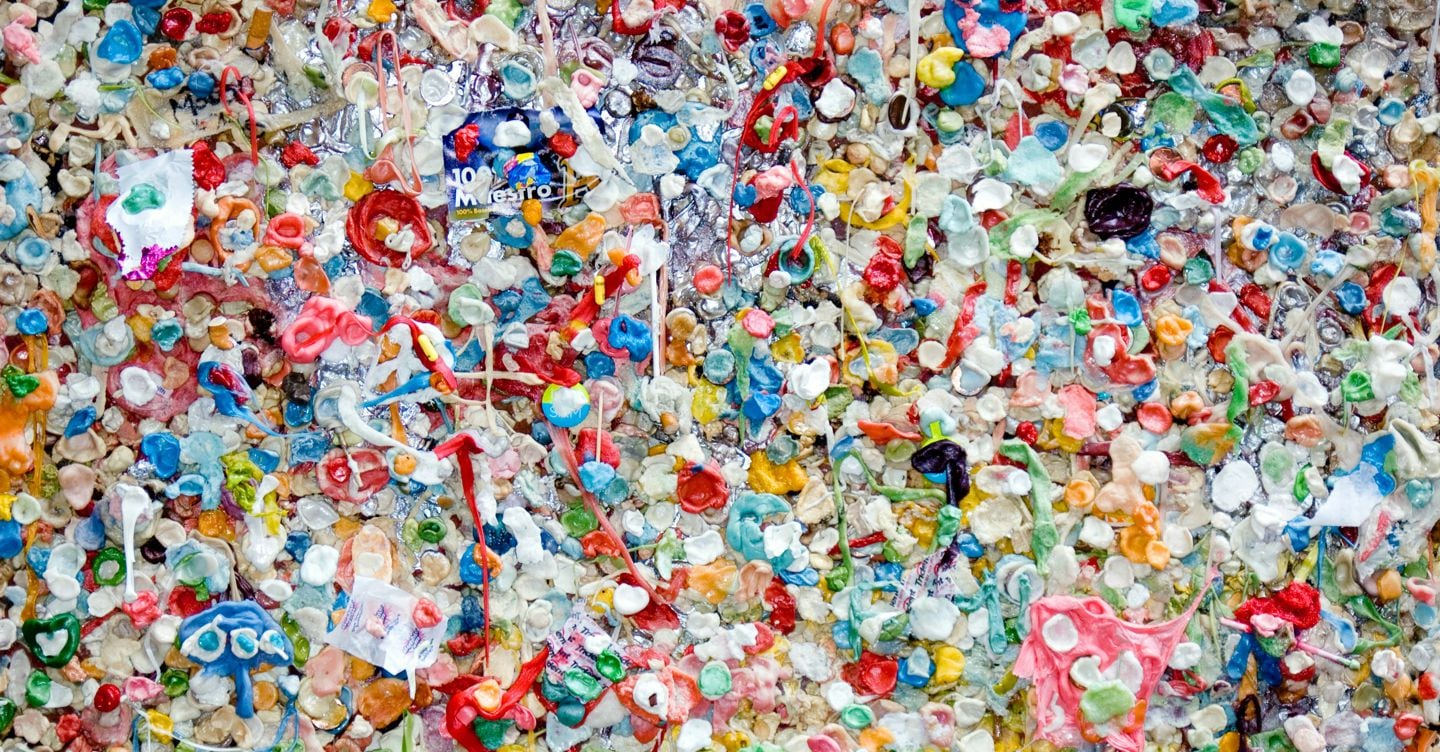
However, there are some positive developments in circular economy, with a material circularity rate of 21.6, compared to the EU average of 12.2. The recycling rate of waste is also high at 86%, with a European average of 41%. The recycling rate of packaging materials is 77.3%, although there are challenges with plastic waste.
Written by urgent.news from Il Sole 24 Ore's reporting — not their text. Machine-written — may contain errors; check the original before relying on it.