Toddlers who give then take back toys are learning to share, psychology says
Toddlers exhibit an evolving grasp of sharing as they interact with toys and their peers. While it’s common for them to tease or reclaim items, these actions are part of their learning journey. Studies show that sharing skills typically mature between 18 to 24 months. To nurture these skills, parents should encourage enjoyable social activities without forcing them to share.
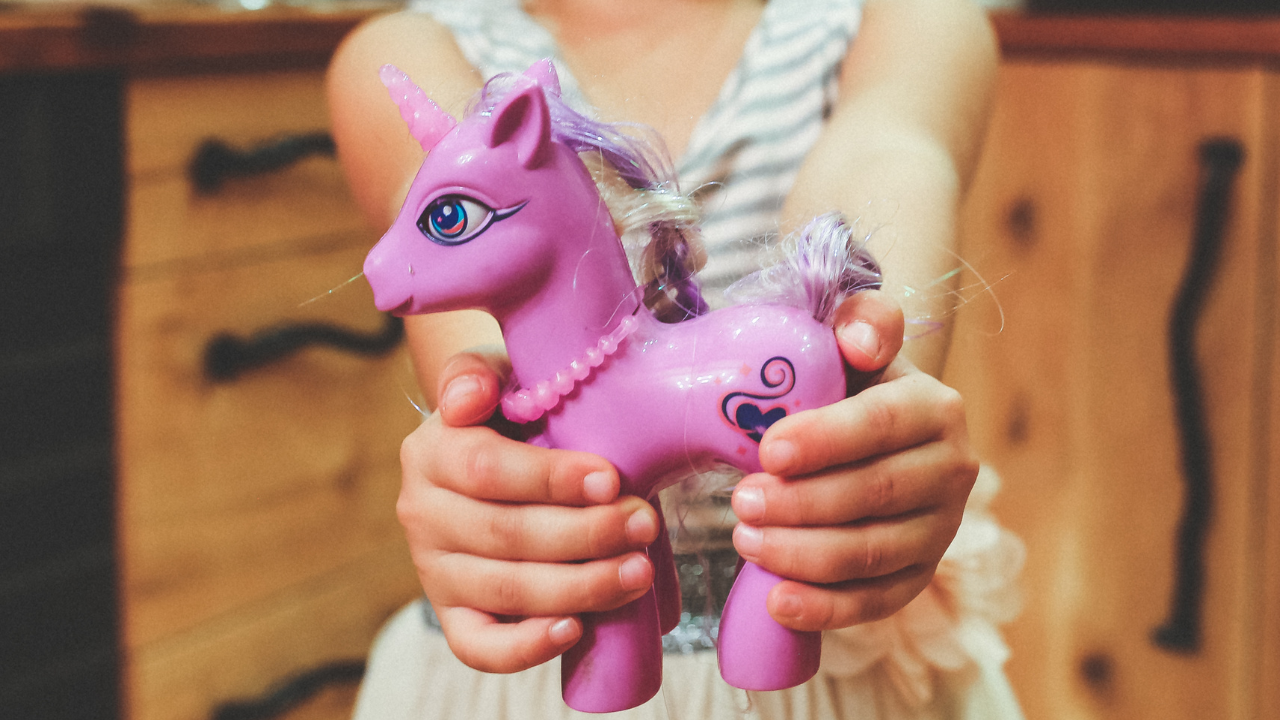
A recent psychology study reveals that toddlers who seemingly tease or possessively take back toys may be learning valuable social skills. When a toddler offers a toy, then swiftly reclaims it, researchers suggest this demonstrates a complex understanding of sharing and ownership.
According to the study, sharing involves recognizing another person's desire for an object, acknowledging the item's ownership, and gradually comprehending that giving away a possession does not mean losing it forever. While toddlers are still mastering this concept, they are actively experimenting and learning through observation.
A 2013 study published in Child Development revealed that 24-month-olds were more likely to share spontaneously compared to 18-month-olds, who required repeated opportunities and clear indications of desire. The study also found an association between children's understanding of ownership and their sharing behavior.
Toddlers' actions may reflect social experimentation as they learn through interactions. Offering a toy can create an opportunity for engagement, while taking it back could indicate a change of mind, a desire to retain control, or an interest in repeating the interaction.
Experts emphasize that the concept of 'mine' is significant for toddlers. A favorite toy or object can hold emotional value and provide a sense of control. A 2019 study published in the Journal of Experimental Child Psychology explored how toddlers consider ownership when allocating resources and discovered that children tend to prefer their own possessions.
Parents should respond to these behaviors without forcing sharing. Acknowledging the child's attempt to involve another person while respecting their decision to keep the toy is recommended. Demonstrating sharing through everyday activities can also help children view it as an enjoyable interaction rather than an obligation.
Interestingly, a 2026 study published in Developmental Science found that toddlers experienced greater happiness after giving resources to others than when receiving them. This suggests that actively sharing can become rewarding for children quite early in life.
So, when a toddler takes back a toy, it may not necessarily mean they are being selfish. The child could simply be exploring the boundaries of ownership, control, and sharing.
Written by urgent.news from Times of India's reporting — not their text. Machine-written — may contain errors; check the original before relying on it.